


 Svenska
  English (UK)
  Русский
  বাংলা
বাংলা  العربية
  日本語
日本語  한국어
한국어  Magyar
  Norsk nynorsk
  Türkçe
  עִבְרִית
  Español
  Čeština
  Português
  Ελληνικά
  Suomi
Suomi  Nederlands
  Română
  Italiano
  Français
  Polski
  Українська
  Deutsch
  简体中文
简体中文  Slovenčina
  Српски језик
  اردو
اردو  Azərbaycan dili
  O‘zbekcha
  አማርኛ
አማርኛ 
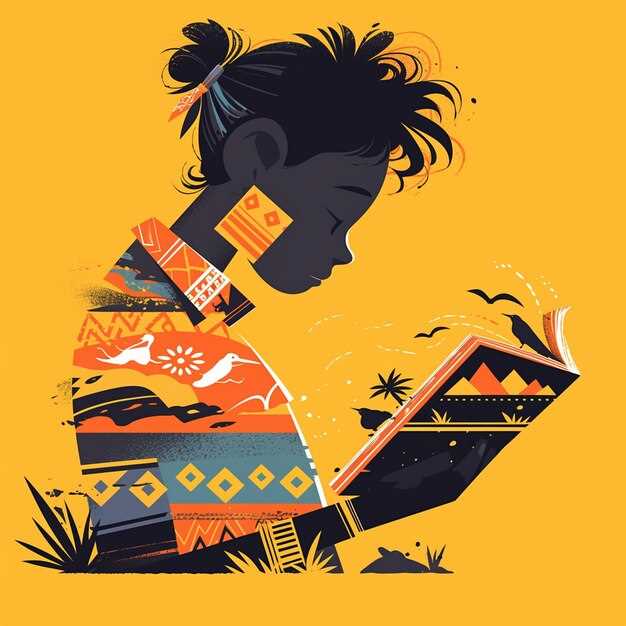
Africa is a continent rich in culture, diversity, and potential, yet it faces numerous challenges in education and access to resources. Governments and nonprofits alike are working tirelessly to foster environments where knowledge can thrive. One of the most powerful tools in this endeavor is literature. Books have the potential to empower young minds, inspiring kids to dream big and pursue their passions. Whether in English or French-language, every child deserves access to a library of resources that can help them navigate the complexities of the world around them.
The journey of education begins in childhood, but many children in Africa often find themselves without the necessary materials to achieve their academic goals. This is where the commitment of donors and established nonprofits plays a crucial role. Organizations like Tata and the Hector Foundation have created campaigns to provide books and educational aids to those most in need. Through their efforts, they have reached recipients in various countries, ensuring that the costs associated with education do not become a barrier to learning.
With the advent of online platforms and the rise of ebooks, access to educational literature has transformed. Thrilling narratives and engaging curricula are now just a click away, allowing children and their families to explore a broader range of subjects. This shift not only promotes literacy but also encourages a love for reading in environments where physical resources may be limited. In Lagos and other urban centers, programs are being established to manage and distribute books, ensuring that every child has the choice to explore their potential and live a life enriched by knowledge.
As we delve into the best books for education and inspiration in Africa, we celebrate the power of literature to change lives. These stories can ignite the spark of imagination, helping young minds to envision a world where they can become the lions of their own narratives. Let’s explore these literary treasures that have the potential to transform not only individual lives but also entire communities.
Africa Amazing Africa Country by Country
Africa is a continent of incredible diversity, with each country presenting unique opportunities for education and inspiration. Organizations like Biblionef play a crucial role in improving accessibility to literature, particularly in under-resourced regions. They specifically focus on supplying books to those who need them most, ensuring that students across various sectors have the materials necessary to thrive.
The ongoing efforts of volunteers across the continent contribute significantly to raising awareness about the importance of literacy. By fostering friendships and partnerships, they help to create a supportive network that transcends borders. Through quick and immediate action, these volunteers work tirelessly, shipping books and educational resources to schools and communities, creating a lasting impact on future generations.
Countries like Uganda and Kenya have implemented innovative programs that drive educational initiatives beyond traditional classroom settings. They adapt to local needs, ensuring that learning is accessible to all children, regardless of their background. In these nations, the idea of empowerment is not just a concept; it is a reality that is being cultivated day by day.
In countries bordering the Sahara, access to education can be a challenge, but initiatives are underway to overcome these obstacles. By leveraging local resources and enlisting the help of NGOs, communities are increasingly able to access critical educational materials. This includes everything from medical literature to basic reading materials, all designed to save lives and enhance the quality of education.
The legacy of African leaders like Kofi Annan, a Nobel Peace Prize laureate, continues to inspire nations to strive for progress. His vision encompassed the idea that education is a fundamental right that should be celebrated and supported. As countries work towards the highest standards of accessibility and equality, they are making strides that resonate within each community, from the lakes of Malawi to the bustling streets of Accra.
Publishing houses play an essential part in this journey as well. They are tasked with producing literature that reflects the richness of African culture while addressing contemporary issues faced by the continent. By collaborating with writers and educators, these publishers ensure that the voices of Africa are heard loud and clear, with stories that are as diverse as the landscape itself.
As Africa continues to evolve, the commitment to education remains strong. The shipping of educational resources is not just a logistical process; it is a movement driven by a shared belief in a better future. Every book, every shipment, every volunteer effort is a step towards shaping a continent that values education, accessibility, and the collective advancement of knowledge.
Kenya: Key Texts for Sustainable Innovation
Kenya has become a hub for sustainable innovation, and various texts serve as essential resources in this journey. A good starting point is the library of texts that provide insights into sustainable practices tailored for local contexts. These texts cover topics ranging from solar energy implementation to the integration of digital tools in educational curricula.
One of the notable contributions comes in the form of picturebooks aimed at young learners. These engaging materials not only introduce the concepts of sustainability but also highlight the importance of empowering girls in the educational landscape. By fostering a vision of equal opportunities, these books ensure that each girl can dream big and live her potential.
Periodicals addressing sustainable innovation frequently feature stories of families who are becoming more aware of their environmental impact. By sharing knowledge about technologies such as solar energy, they provide practical tools to combat fiscal challenges, particularly in regions with limited resources. This grassroots approach complements governmental efforts, addressing the legal frameworks necessary for effective implementations.
In the classroom, discussions based on influential texts from diverse authors can spark hope and creativity among students. Such materials support educators in creating inclusive educational environments that emphasize democracy and innovation. For instance, tools derived from the Gutenberg project have made significant contributions, providing vast digital resources since their inception.
Moreover, organizations and volunteers from the Kenyan diaspora are increasingly involved. They collect and tailor resources to fit the unique needs of local communities, ensuring that every text serves a purpose in transforming lives. This collaboration fosters a rich exchange of knowledge, addressing acute challenges faced by various populations, including those in Djibouti and across the Sahara.
As the region continues to evolve, sustainable innovation texts remain pivotal. They empower young minds through educational strategies designed to equip the next generation with the skills needed to address pressing global issues. With each reading experience, hope is kindled, and a window opens to the future–where every Kenyan can contribute to a lasting change worldwide.
Nigeria: Literature that Inspires Change
Nigeria, with its diverse cultures and rich literary heritage, serves as a beacon for inspiring change through literature. The country’s authors have used their voices to address pressing issues, shedding light on the need for better governance, education, and social justice. This literature extends beyond borders, reaching readers globalt and igniting campaigns that foster understanding and friendship among different länder.
Prominent Nigerian writers like Chinua Achebe and Wole Soyinka, the latter being a Nobel laureate, have produced texts that reflect on the complexities of society, promoting a quick grasp of the historical and political background of the region. Their works are compelling reads for anyone seeking to understand the systemic issues that affect Nigeria, including corruption and resource shortages. Such literature not only enhances knowledge but also nurtures a heart for change.
Moreover, contemporary authors are making incredible strides in the literary scene, with platforms offering e-böcker and online resources. The rise of digital literature opens up new avenues for distributing their voices, enabling readers from all backgrounds to download and engage with their works. Organizations like Biblionef are essential in maintaining the flow of literature by shipping books to children in need, thereby addressing educational shortages.
In Nigeria’s urban areas like Lagos, literature serves as a foundation for social movements. Community activists and writers collaborate to create collections of short stories and essays that reflect the realities of living in a rapidly changing society. These writings are a form of resistance – a ship navigating through turbulent waters, advocating for the rights of marginalized voices.
In regions such as Oromia and Sierra Leone, the influence of Nigerian literature can be seen as a powerful tool for motivating and mobilizing the youth. The urgent need to challenge outdated systems and promote innovative solutions resonates throughout the texts produced. They provoke thought and action, pushing readers to consider their roles in fostering societal change.
Literature, with its remarkable ability to inspire, has the might to transform lives. By reading, sharing, and discussing these powerful narratives, we begin to understand not only the essence of Nigeria’s struggles but also the universal themes that unify us all. As Patrick’s videos point out, each story embodies the unique spirit of Nigeria while also contributing to the larger dialogue about humanity’s challenges.
In conclusion, Nigerian literature is not just about storytelling; it is a powerful tool that encourages immediate action and long-term reflection. It has the potential to make a significant impact on various sectors, ensuring that the struggle for a better future continues to thrive in the heart and mind of every reader.
South Africa: Voices of Resilience and Hope
In South Africa, a nation marked by both challenges and triumphs, the resilience of its people shines brightly through literature and education. Organizations such as Biblionef play a significant role in promoting literacy by providing books to schools and communities, particularly focusing on under-resourced areas.
These nonprofits raise funds and donations to ensure that children, especially women and young girls, have access to culturally relevant literature. By fostering an environment where reading is celebrated, they aim to establish long-term goals that reflect the diverse narratives of the continent.
- Nonprofits are essential in avslöjar stories that resonate with människor across South Africa and beyond.
- The emphasis on specialized content for young readers ensures that literature complements their educational needs.
- Donors play a crucial role in enabling these initiatives, providing resources that help save and share stories that matter.
The appeal of these programs is evident in their ability to create online spaces where läsare can connect and engage with literature that reflects diverse experiences. With shipping programs that deliver books to rural areas, organizations like Biblionef transcend geographic barriers.
For adults, literature serves as a tool for empowerment, offering reflections on historical legacies while fostering friendships that span countries and cultures. In cities like Chicago, communities engage in book drives, showcasing solidarity and support for South African initiatives.
The narratives emerging from South Africa embody the essence of resilience. They describe journeys of both hardship and hope, demonstrating that through education and storytelling, change can occur. This retelling of experiences helps to raise awareness and promote dialogue around the status of education in South Africa.
As the country continues to navigate its social and political landscape, the role of literature becomes increasingly important. It serves not just as a means of escape but as a framework for understanding the past while building a better future for the next generation.
In conclusion, by fostering access to education and enhancing literacy rates, South Africa is indeed a queen of resilience, inspiring not just its citizens, but also läsare worldwide. Together, the community’s efforts reflect a commitment to improving the lives of all, one story at a time.
Ghana: Educational Resources for Youth Empowerment
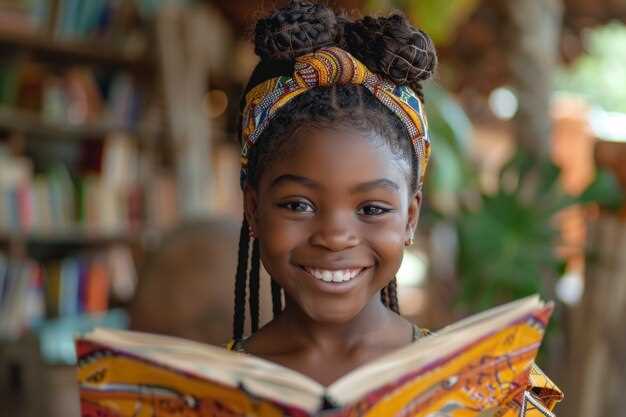
Ghana has made significant strides in leverera educational resources that empower its ung population. Among the important initiatives is the establishment of community libraries that maintain a rich collection of high-quality books. These libraries are not just a haven for reading but also serve as a vacker gåva of knowledge and inspiration, offering opportunities for local women och adults to engage in lifelong learning.
Throughout Ghana, educational resources are shipped and distributed to rural areas where access is limited. The fiscal support necessary for these projects often comes from international grants, highlighting the global community’s belief in empowering the next generation. In this process, local organizations work tirelessly to maintain the flow of books and materials, skapande inclusive environments for all. For instance, there are initiatives focused on converting classic literature into Braille, ensuring that visually impaired students can share the same adventures in learning as their sighted peers.
Programs like “Jummys” offer illustrated stories that captivate ung minds, while also reinforcing the importance of creativity and imagination. These stories not only entertain but also teach vital lessons, inspiring dem to dream beyond the mountains of their immediate surroundings. Classes within these libraries often involve reading aloud and discussing the narratives, enriching the educational experience and bibehålla engagement among participants.
One notable achievement is the collaboration between graduates and civil society organizations, which helps design specialty programs aimed at improving literacy rates among school-aged children. These programs are vital during periods of local challenges, such as famine, as they provide stability and opportunity when they are most needed. The motto here is clear: education is an adventure that goes beyond mere academics; it is a journey that enriches the soul and empowers the community.
Through these collective efforts, Ghana is supporting a transformative agenda in education that transcends traditional methods and embraces inclusivity. It tells a story of resilience and hope, ensuring that every child, regardless of their circumstances, has the opportunity to thrive and excel in their academic journeys. The commitment to educational excellence reflects a belief in the power of knowledge–a force that will sustain the country’s growth and future potential.
Tanzania: Cultural Narratives and Their Impact
Tanzania is a vibrant tapestry of cultural narratives that reflect its diverse heritage and influence the lives of its youth. These stories serve not only as a means of entertainment but also as essential educational materials that promote accountability and resilience among learners. For instance, illustrated picture books featuring tales of bravery and community solidarity, such as Anna’s adventures in the city, engage young readers, encouraging them to reflect on their backgrounds and the challenges they face.
In recent years, partnerships with US-based organizations have aimed to improve accessibility to educational resources throughout Tanzania. Through these collaborations, new devices and materials are being introduced in classrooms, helping to create better learning spaces. These initiatives also emphasize the need for efficient transport systems to bring learning materials, such as books and educational games, to remote areas, supporting children in dealing with issues like famine and poverty.
The impact of these narratives extends beyond just local communities; they also resonate with broader global issues. Youngest learners in Tanzania are exposed to stories that prepare them for a world where understanding cultural nuances is essential. This promotes a sense of belonging and identity, empowering them to advocate for themselves and their communities in a rapidly changing landscape.
One notable example is the Merck Publishing initiative, which focuses on distributing literature that supports educational sessions for young learners. Using cost-effective strategies, they help to pack and ship resources to warehouses across the country, ensuring that even the most remote villages have access to beneficial reading material.
Ultimately, the cultural narratives of Tanzania play a crucial role in shaping the future of its youth. By fostering a love for reading and learning, these stories not only inspire but also provide long-term opportunities for personal and communal growth. As Tanzania continues to rise on the global stage, the importance of these narratives will only grow, serving as a powerful tool in crafting a brighter future.