
Introduction
Coffee origin tourism has matured into sophisticated experiential travel, with 1.8 million annual participants in 2025 generating $1.2 billion for producing communities. Travelers now demand complete vertical integration — harvesting cherries at 1,800m altitude, processing through wet mills, and cupping professional scores of 90+ coffees. The Specialty Coffee Association reports 72 % growth in origin tourism since 2021, driven by consumers willing to pay $18 for a 250g bag when they understand the labor behind each bean.
These experiences deliver dramatic transparency: visitors witness why shade-grown coffee from Ethiopia's Yirgacheffe commands $80/kg while commodity robusta sells for $3/kg. Farms receiving tourists report 45 % higher incomes and invest in processing improvements that increase cup scores by 4–8 points within two seasons.
The Coffee Belt Tourism Revolution
Leading Origin Countries and Their Specialties
Colombia offers 1,200 registered coffee experiences across 14 producing regions, from Huila's pink bourbon varieties scoring 92+ to Antioquia's traditional castillo. Ethiopia maintains 850 experiences emphasizing forest coffee systems where arabica originated 1,000 years ago. Costa Rica's 620 micro-mill tours showcase honey processing creating distinctive blackberry notes.
Economic Impact and Farmer Premiums
Direct tourism enables farmers to capture 60–75 % of final retail price versus 8–12 % in conventional chains. A $150 day tour leaves $110–120 with farming families after covering transport and guiding. Multi-day experiences priced $2,200–4,500 deliver $1,800+ directly to producers, funding wet mills that increase quality premiums by 40 %.
Processing Methods That Define Flavor
Wet-processed (washed) coffees emphasize bright acidity — visitors operate depulpers removing fruit within 12 hours of harvest. Honey processing leaves mucilage during drying, creating sweetness measured at 15–18 brix. Natural processing develops winey notes through 25–35 day fermentation in cherry — tourists monitor turning schedules preventing mold growth.
Hands-On Coffee Origin Experiences
Selective Harvesting at Peak Ripeness
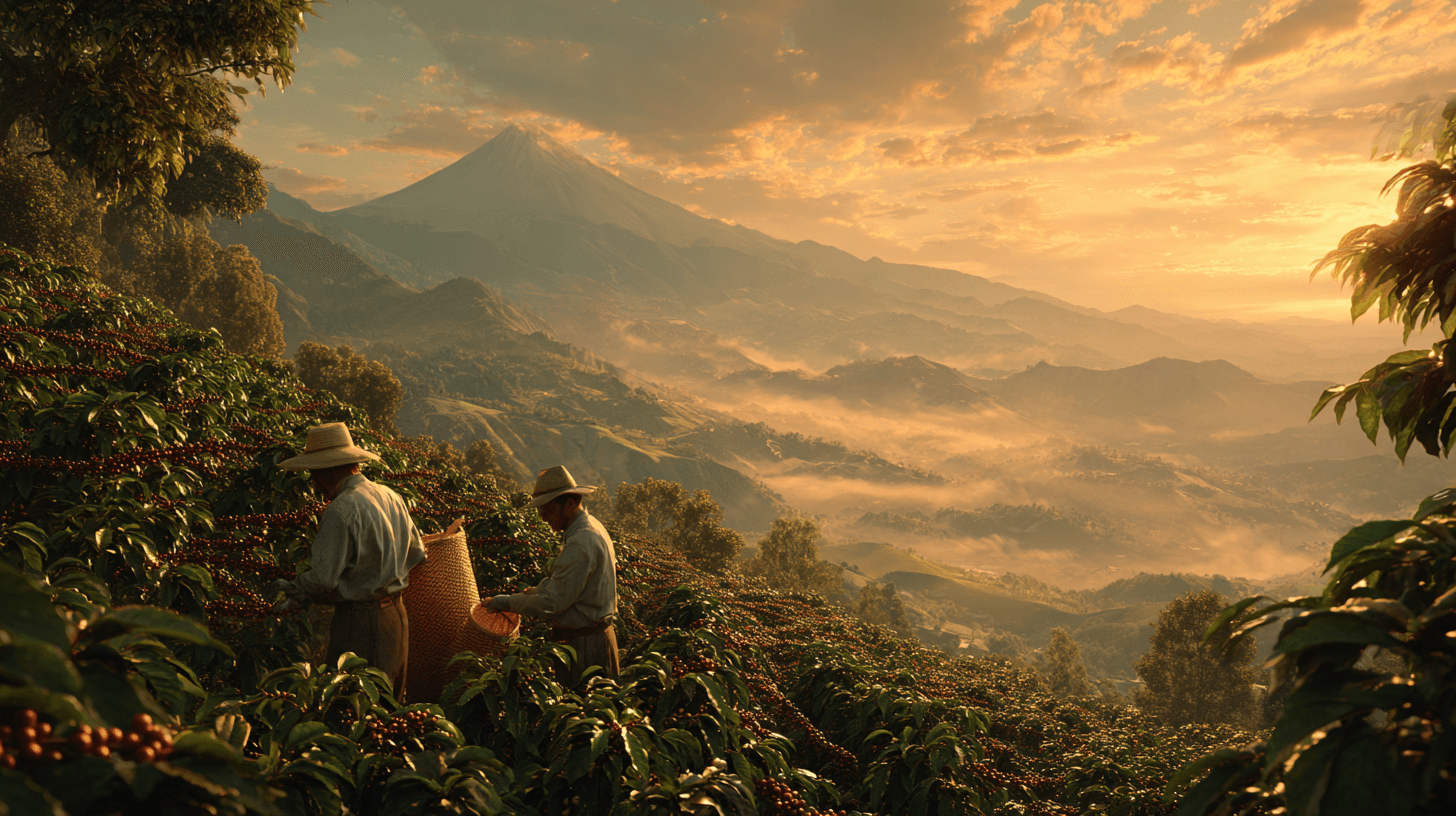
Professional pickers teach identification of cherries at 22–24 brix sugar content — only 10–15 % of fruit reaches this stage simultaneously. Visitors learn that selective picking across multiple passes increases quality by 30 % versus strip harvesting. GPS-tracked baskets ensure traceability from specific trees to final export lot.
Wet Mill Processing and Fermentation Control
Participants manage fermentation tanks for 12–36 hours, testing pH drop from 6.2 to 4.2 indicating completion. Temperature control between 18–22 °C prevents acetic acid overproduction that creates vinegar notes. Washed coffees dry on African beds for 12–18 days reaching 10.5–11 % moisture — visitors learn to identify proper parchment cracking sound.
Professional Cupping and Scoring
Q-grader instructors guide evaluation of 90+ scoring coffees using SCA protocols. Visitors identify defects — one black bean in 300g drops score below 80. Fragrance, flavor, aftertaste, acidity, body, balance, uniformity, clean cup, sweetness, and overall impression each scored 6–10. Most participants improve identification accuracy by 60 % after three sessions.
Premier Coffee Origin Destinations 2025
Colombia: Micro-Lot Excellence
Salento's Finca Villa Loyola offers complete 5-day immersion ($2,900) harvesting geisha varieties that won 2024 World Brewers Cup. Participants process lots through their own micro-mill and receive 5kg of their harvested coffee roasted to their preference six months later.
Ethiopia: Birthplace of Coffee
Yirgacheffe's forest coffee experiences include harvesting from wild trees in Kaffa zone where Coffea arabica originated. 7-day programs ($3,200) incorporate traditional coffee ceremonies using jebena pots and frankincense.
Panama: Geisha Revolution
Boquete's Lamastus Family Estates provides access to lots scoring 95+ ($800/lb green). Their 4-day experience ($4,800) includes harvesting Elida Estate geisha that held auction records at $10,000/kg.
Planning Your Coffee Origin Journey
Best Harvest Seasons by Region
Colombia's main harvest runs October–February with mitaca crop April–June. Ethiopia's harvest peaks November–January. Central American countries harvest November–March. Booking 10–14 months ahead secures peak ripeness periods.
Choosing Quality Experiences
Verify farms process lots scoring 87+ commercially — true origin experiences smell intensely of coffee cherry fermentation. Look for Cup of Excellence winners or relationships with specialty roasters paying $20+/lb premiums.
Budget and Return on Investment
Day tours: $120–280 | Multi-day immersions: $2,200–5,500 | Coffee received equals $800–2,000 retail value. Combined with professional cupping skills development, these experiences transform casual drinkers into informed specialty consumers.
Conclusion
Coffee origin tourism delivers the most complete agricultural immersion available. Participants understand why elevation, processing, and selective harvesting create dramatic flavor differences. Each journey directly funds quality improvements that preserve genetic diversity and traditional farming methods essential for coffee's future.