


 Svenska
  English (UK)
  Русский
  বাংলা
বাংলা  العربية
  日本語
日本語  한국어
한국어  Magyar
  Norsk nynorsk
  Türkçe
  עִבְרִית
  Español
  Čeština
  Português
  Ελληνικά
  Suomi
Suomi  Nederlands
  Română
  Italiano
  Français
  Polski
  Українська
  Deutsch
  简体中文
简体中文  Slovenčina
  Српски језик
  اردو
اردو  Azərbaycan dili
  O‘zbekcha
  አማርኛ
አማርኛ 

Plan two-day itineraries that balance iconic viewpoints with easier trails, and buy your entry online to secure a spot. Please check shuttle schedules and trail conditions here–checking them helps you avoid the worst crowds, which can be significantly disruptive during peak months.
On the first day, begin with the Riverside Walk (2.2 miles round trip) and the Emerald Pools Trail for close-up canyon textures. These routes are friendly for ages and welcome visitors who want a gentle start. On the second day, you can attempt Angels Landing (5.4 miles round trip) if you hold a permit, or choose Observation Point (8 miles round trip) for sweeping canyon views. An add-on experience like a canyoneering intro or a ranger-led stargazing session would deepen the visit.
To dodge crowded trails, plan to start before sunrise and reserve parking and shuttle slots by checking the park alerts. Weekdays see lighter crowds, and the most popular vistas tend to fill after 9 a.m. For families, choose shorter sections and take pauses every 20-30 minutes to keep youngsters engaged. If you want a more focused experience, use this guide’s Translation not available or invalid. to tailor your day.
Many visitors hire local companies to add an add-on like photography walks or canyoneering basics; those options would align with their interests and can be booked in advance. If you plan ahead, you can save time by booking private tours or small-group hikes. Spots drop quickly during peak season. Check entry requirements and permit times, and please confirm any age requirements before signing up.
Practical Starter Guide for First-Time Visitors
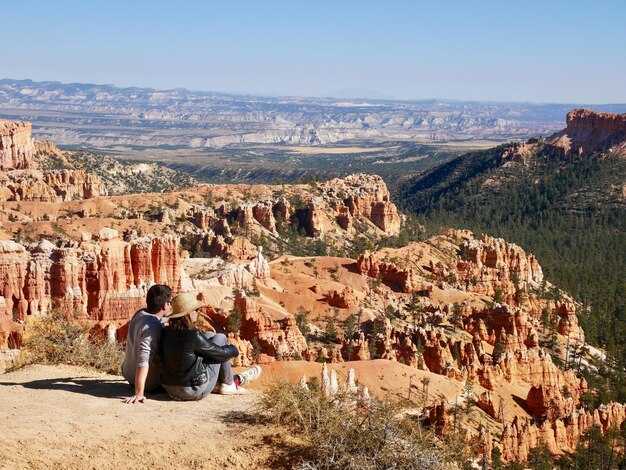
Your first goal is a 2–3 mile, 300–500 ft gain loop on day one. Start before 9 a.m. to enjoy cooler air, and finish by noon for a comfortable pace. Hydrate daily, carry a light snack, and keep your pace steady so you can return for another look at the scenery the next day.
March offers milder days and blooming wildflowers; summer brings hotter sun and longer hours of daylight. If the heat climbs, stay upstream along a shaded canyon section where water and rocks create a refreshing break and the scenery stays excellent. Want to maximize your chances of a quiet hike? choose an early-morning path and avoid the most exposed ridges at midday.
Gear and daily routine: layer your clothing so you can adjust to shifting temps; a breathable base layer, sun hat, sunglasses, and sunscreen protect you on long walks. Pack 2–3 liters of water per person and a compact snack; a camera shot opportunities appear along every turn. If you see other hikers, stay on the path and keep your pace steady.
Trail choices and safety: pick trails with less exposure when heat is high; monitor weather, wind, and crowds. If you kan inte complete a stretch, turn back and try a shorter loop. Don’t rely on luck; plan a realistic route further than your comfort zone and stay on established paths to reduce risk.
For lovers of scenery, Zion delivers dramatic canyon views and wild rock formations. South-facing routes often get more sun early, while further explorations toward quieter canyons give you less traffic. Use the park’s daily updates, check current closures, and look for breaks in the crowds to capture a great shot in natural light. The experience itself will teach you how to balance pace, heat, and distance on every hike.
Getting There, Entry Fees, and Park Hours
Get your vehicle entry pass online before you go to Zion to speed entry and start your day on the right foot. Kids under 16 enter free when accompanied by a paying adult, and you can save the confirmation on your phone for quick access at the gate. This approach is absolutely worth it, especially if you’re planning a weekend visit with a few delays to consider. That point helps families plan the day more efficiently.
Getting there is straightforward: Zion sits in southwestern Utah near Springdale. From Las Vegas, expect about 2.5–3 hours of driving; from St. George, roughly 45–60 minutes; from Salt Lake City, about 4.5–5.5 hours. The main gate sits on UT‑9; the Zion Canyon Scenic Drive feeds the visitor area. If you’re coming on a weekend, plan for light traffic and parking constraints near the gate, and consider parking in Springdale and riding the free shuttle when available. If you could extend your trip by another day, you’ll enjoy quieter morning trails and better light.
Hours and access: the park stays open year‑round, with the road system functioning most hours. The Visitor Center typically operates 8:00 am–5:00 pm daily. In peak season, the Zion Canyon shuttle runs between the gate and canyon ends; you’ll be checking the shuttle status daily via the park app or website. Outside peak months, you may drive and hike with fewer crowds, but some services will be limited. Observation points along the canyons offer dramatic views at sunrise and after storms.
Entry fees: Vehicle entry is $35 for 7 days; motorcycle $30; and a per‑person walk‑in fee of $20. The Interagency Annual Pass at $80 covers all national parks for a year. Kids 15 and under enter free when accompanied by a paying adult. If you’re planning a camping trip, add the camping permit; some sites require reservations well in advance, especially on weekends.
Camping and canyoneering: Zion has Watchman, South, and Lava Point campgrounds; reservations fill quickly, especially on weekend dates. For canyoneering, certain routes require a permit and a guide; factor in weather, water flow, and daylight. Bring plenty of water, sturdy boots, and a right pair of hiking socks; some routes are longer and harder than they look. If you’re staying outdoors, check in advance for backcountry permits and trail restrictions.
Practical tips: check weather and road status daily; taking an extra layer and sun protection goes a long way. You’ll find plenty of tips in the official park app and at the visitor center. For a bite after exploring, head to Flanigans in Springdale or other family‑friendly spots; they offer quick meals if you’re traveling with kids and want to stay on schedule. When planning, consider exclusive ranger tips and kid‑friendly routes; going slower sometimes yields the best views.
Overall, plan with flexibility: check the shuttle schedule, check your route, and leave some buffer for parking and grabbing a few photos. With careful planning, a Zion adventure can be smooth, with plenty of beauty per day and some memorable moments for the whole family.
Iconic Vistas and Must-See Spots for First-Time Visitors
Begin at Canyon Overlook Trail to gain your first look at Zion’s vistas and set the pace for your day. This beginner-friendly route opens at sunrise and delivers several striking viewpoints that showcase the sandstone beauty without overwhelming crowds.
-
Canyon Overlook Trail – a concise, ~1 mile round trip with gentle steps and a dramatic turn in the scenery. Beginners can climb without gear, and you’ll come away with a clear sense of how the canyon narrows and opens. Watch for shifting light as the sun climbs; this point opens early and remains a reliable sunset option too.
-
The Riverside Walk to The Narrows – a paved, 2.2 mile round trip along the Virgin River. It’s the easiest way to feel Zion’s depth and rhythm; in winter, water levels and ice can change conditions, so wear sturdy footwear and watch your footing.
-
Emerald Pools Trail – a versatile option with Lower and Upper Pools and several short switchbacks. The route offers clear, close-up views of hanging pools and the carved rock formations that define Zion’s character. It’s a solid middle-distance choice before hotter midday hours.
-
The Watchman Trail – runs near the visitor center and culminates in a wide view toward the Watchman rock and the valley. It’s around 3 miles round trip, with a steady grade and plenty opportunities to pause, turn, and absorb the panorama.
-
Angels Landing – iconic, but not for beginners. The final ascent includes exposed sections and a narrow spine. Permits are required during peak times and can be obtained online ahead of your visit. If you’re unsure, skip this one and choose Observation Point for a high, sweeping view instead.
-
Observation Point via the East Mesa Trail – about 7–8 miles round trip with a substantial elevation gain. This vantage delivers a wide, uninterrupted sweep across Zion Canyon and is a rewarding alternative when you crave a longer day without the wave of crowds at the main viewpoints.
Practical tips: download the official Zion app for maps and trail conditions; the entry payment is easier online or at the gate, and an annual pass obtained beforehand speeds entry. Since several viewpoints sit in the middle of the canyon, plan to start early to beat the heat and the harmful sun. In winter, check trail openings and wear traction devices as needed. If you have extra time, consider a separate day trip to Canyonlands to extend the adventure and gain even more iconic scenery. Editors would note that planning a few key spots first helps you watch light changes and avoid missing the most photogenic moments.
Beginner-Friendly Trails by Distance and Difficulty
Riverside Walk offers the best beginner-friendly start: 2.2 miles round trip, flat pavement, accessible to wheelchairs and strollers, and it runs along a shaded Virgin River corridor in the desert temperatures. The trailhead is clearly marked at Canyon Junction, and the winding river route provides frequent viewpoints and rest spots. This route probably sets a comfortable pace before trying steeper options, and it gives you a calm sense of Zion’s scale even if you’re new to hiking.
- 0.4 miles – Weeping Rock Trail
A short, shaded approach to a hanging spring; weeping from the rock creates a cool microclimate. Easy surface, ideal for a quick memorial-style stop to read a sign about the area, and a perfect intro for first-timers who want a bite-size experience. - 1.0 miles – Canyon Overlook Trail
Steady climb with straight sections and a few switchbacks; ends at a viewpoint that frames the canyon and the town of Springdale in the distance. This site is designated for an easy-to-moderate outing, with a rewarding panorama. - 1.2 miles – Lower Emerald Pool Trail
Gentle grade to a shallow pool; passes through cream sandstone walls and offers a shaded stop along the way. Great for a family stroll and a quiet moment to observe birds and water features. - 2.2 miles – Riverside Walk
Paved, easy surface along the Virgin River; accessible for families and first-timers, with frequent benches and interpretive signs. The route is part of Zion’s core network and connects to longer options if you want to extend your day. - 3.3 miles – Watchman Trail
Moderate elevation gain with winding sections; yields several viewpoints over Springdale and the canyon. A good next step for hikers who enjoyed the easier routes and want more elevation without a big commitment. - 3.5 miles – Pa’rus Trail
Designated for pedestrians and bikes; straight, smooth sections along the Virgin River, offering a long, easy loop suitable for a relaxed finish. The route is fully accessible and a solid choice when temperatures rise late in the day.
Another option is to combine a short, flat segment with a quick detour to a trailhead site that marks a local memorial area, then return to the lot. If you live in the area, or were traveling from phoenix or another city, these routes provide dependable pacing and scenery, with viewpoints that let you assess the day’s plan before you commit to higher climbs. Following these trails helps you build confidence while still enjoying Zion’s remarkable desert scenery, and designated paths ensure a comfortable, safe experience for beginners.
Seasonal Planning: Weather, Crowds, and Daylight
Book hotels well in advance and start dawn hikes to beat crowds and heat. This approach sets your Zion visit up for success across seasons, especially when spring or fall rooms and entry slots move quickly.
Seasonal weather snapshot: Spring (Mar–May) brings dry, sunny days with highs around 65–75°F (18–24°C) and chilly nights 35–50°F (2–10°C). Showers can appear, and narrows may flood after rain, so pack a light rain shell and a small emergency dry-bag for electronics. Summer (Jun–Aug) runs hot and sunny, with daytime highs 90–100°F (32–38°C) and nights 60–70°F (16–21°C); monitor late-summer monsoon activity that can impact hiking plans. Fall (Sep–Nov) cools gradually to 70–85°F (21–29°C) by day and 40–50°F (4–10°C) at night, offering clearer skies and lower humidity. Winter (Dec–Feb) brings 40–50°F (4–10°C) days and 20–30°F (-7 to -1°C) nights; snow can close higher trails, so traction devices and extra layers are wise. Sunny days dominate, but weather issues can pop up, especially in shoulder months.
Crowds shift with the calendar: spring and fall weekends draw the largest numbers, while midweek visits offer quieter trails and parking. Plan key hikes for first light and the hours before noon, then pivot to shade or rims during the heat of the day. Check news and alerts before you go for shuttle status, road closures, or permit windows. If you need flexibility, reserve timed-entry or rework plans around national andor regional lodging and routes to keep logistics smooth and stress-free.
Daylight and photography cadence: In spring and fall you get a span of roughly 11–12 hours of daylight, while summer stretches to about 13–14 hours and winter shrinks to 9–10 hours. Start when the light is soft and cool, and end with sunsets that illuminate mighty canyon walls. Photographers flock to key viewpoints at dawn and again onto the rim at dusk, weaving a route that ends at a overlook to maximize sunsets. Some shooters prefer the Watchman area, Angels Landing viewpoints, and Narrows approaches for dramatic silhouettes and color. If you want completely clear skies, plan for evenings with light wind and low humidity, which tends to yield sharper silhouettes and fewer haze issues.
Gear and safety essentials: Always carry a light rain jacket and a dry-bag to protect devices and maps. Pack a compact daypack with water, snacks, and a map, and stay on marked routes to reduce risk in slick rock or flash-flood prone zones. Monitor park news for closures, weather alerts, and issued advisories that could affect plans. If thunderheads gather or water rises along the rivers, turn back promptly and reassess your route to avoid hazardous sections.
Safety, Weather, Gear, and Day-Use Tips
Start at sunrise and pick a mile-long loop to hit highlights while the crowds stay quieter. Enter through the entrance andor shuttle if available, and check the news board for service updates. Having a plan helps you cover several viewpoints along the route without rushing.
Hydration and protection form core safety. Carry plenty of water (aim for at least one gallon per person for day hikes), wear a hat, sunscreen, and layers that breathe. Pack sturdy shoes, a map, and a compact first-aid kit. If you plan to visit Emerald Pool, bring a towel and a light layer for shade near water. A quick dry towel helps after pool stops.
Weather in the southwest can swing fast. Frequently check the park news and forecasts before travel, and be ready for heat, wind, or sudden storms. If lightning or heavy rain arrives, seek shelter in a rock overhang or at designated stops, and avoid exposed ridges and washes. For families visiting a school or youth group, keep pace and supervise children along the route to stay safe.
Day-use logistics help you maximize time. Stop at the Visitor Center for a current map and to confirm gate entrance times. Several trailheads share routes, so plan an another shorter option if a path is crowded. alberto from the park shop often shares gear recommendations and can point to rental options if you need a lighter pack. For a dramatic scenery stop, the court of the Patriarchs overlook delivers great views. Travel companies serving the park area frequently run shuttles connecting the southwest entrance with major points; verify which stops operate on your day. Always pack out trash and respect closures or signs while enjoying the views and quiet of Zion’s canyons.
Lodging, Camping Options, and Dining Near the Park
Reserve Watchman Campground in Zion Canyon as your base; this setup will give you a straightforward plan with steps that keep the majority of hiking near the mouth and allow for a one-hour return for meals. Bring warm layers for chilly mornings and plan to start hikes when the valley air is freshest. If you travel with kids, the proximity helps you regroup quickly and avoids long drives between adventures. This can kick off a series of short, family-friendly hikes that feel rewarding with each return to camp. From here you can also access riverfront trails where the flow of the flowing Virgin River adds a scenic backdrop to your day.
Inside the park, options include Watchman Campground, which offers water and restrooms, and Zion Lodge, a historic property with on-site dining and easy access to several trailheads. Outside the park, Springdale hosts a range of hotels, cabins, and vacation rentals within a short walk or drive from the Zion Canyon Visitor Center. For budget-minded travelers or to compare rates, third-party booking sites can help you find flexible options and lock in a plan before peak season.
Camping and lodging notes you can rely on again on the road: check the forecast because temperatures swing across the day; mornings can be chilly, while afternoons rise. Pack backpacks, sturdy footwear, a compact stove, and layerable clothing to reduce accidents and keep everyone comfortable. Encourage kids to bring a simple writing log of the day, and pin a plan to the campsite so the day stays organized. Remember to bring extra water and a small first-aid kit, and set a clear point for regrouping if anyone gets separated.
Dining near the park clusters in Springdale, with casual cafés, family-friendly spots, and sit-down restaurants that cover a range from quick bites to more leisurely dinners. Some venues highlight cedar-smoked flavors and salt-seasoned sides, while others focus on hearty burgers and vegetarian options. To maximize time for views and photos, call ahead on peak days to confirm hours and wait times; this helps you stay looking toward the next stunning overlook rather than waiting in line.
| Option | Type | Anteckningar | Typisk takt |
|---|---|---|---|
| Watchman Campground | In-park campground | Open spring–fall; water and restrooms; close to mouth of Zion Canyon; great for families | About $20–$30 per night |
| South Campground | In-park campground | Dry camping; seasonal access; quieter choice | About $15–$25 per night |
| Zion Lodge | In-park lodging | Historic facility; dining room; direct trail access | Approximately $200–$350 per night |
| Springdale Hotels and Rentals | Boende i närheten | Wide range; 1–2 miles from park entrance; easy access to dining | Typically $150–$400 per night |