


 Српски језик
  English (UK)
  Русский
  বাংলা
বাংলা  العربية
  日本語
日本語  한국어
한국어  Magyar
  Norsk nynorsk
  Türkçe
  עִבְרִית
  Español
  Čeština
  Svenska
  Português
  Ελληνικά
  Suomi
Suomi  Nederlands
  Română
  Italiano
  Français
  Polski
  Українська
  Deutsch
  简体中文
简体中文  Slovenčina
  اردو
اردو  Azərbaycan dili
  O‘zbekcha
  አማርኛ
አማርኛ 
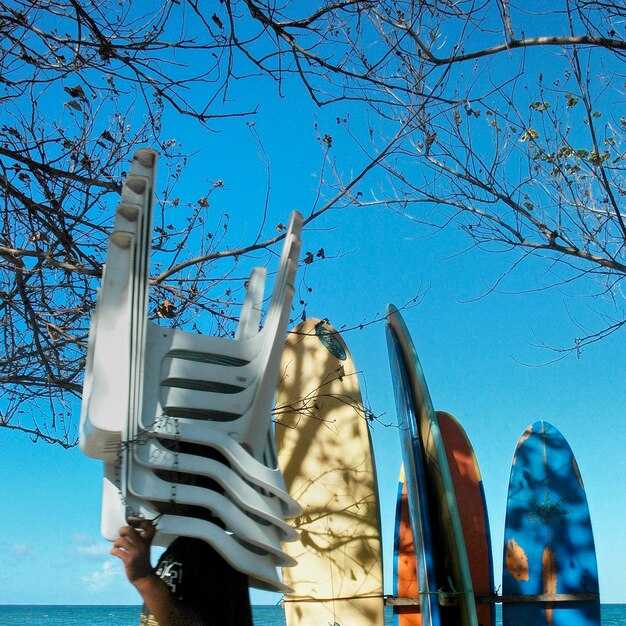
Plan a sun-filled escape to Portugal now. Taking a few days to orient around two or three areas, then cross into new regions with fast trains or short flights. You’ll find sands along the coast, friendly towns, and a heritage that blends Atlantic energy with historic centers. From Лисабон‘s hills to remote villages, this compact nation offers a dense mix of iconic sites, tasty cheese, and easy ways to unplug.
The coast serves as a playground for surfers of all levels. In the north, Nazaré hosts iconic waves; in Peniche and Ericeira, the water offers reliable breaks for beginners and seasoned riders alike. The Algarve adds golden sands and hidden coves, with areas such as Lagos and Albufeira delivering sheltered bays and long beaches. If you crave a more intimate scene, book a villa with sea views in quiet parishes and taste fresh seafood at beachside chiringuitos.
Лисабон anchors the cultural map with azulejo tiles, soulful fado music, and a legacy of explorers. In the old quarters of Alfama and Bairro Alto, you’ll hear traditional songs echoing through narrow lanes. The Douro Valley invites day trips by river to visit historic quintas and sample port wines–experts point out that a half-day cruise paired with a tasting reveals the region’s layered history. Don’t miss Coimbra for university traditions, or Evora for well-preserved Roman roots in a UNESCO setting.
Food lovers will savor fresh cheese like queijo Serra da Estrela, olive oil, and grilled sardines. In Lisbon’s Time Out Market you can check a dozen regional stands in one visit, from smoky churrasco to delicate pastries. Sample pastel de nata, then contrast with hearty dishes in Alentejo’s inland towns. Cheese boards pair with a glass of local wine, while markets sell cured meats, olives, and regional honey. Take a cooking class to understand how coastal grains, herbs, and cheese shape everyday meals.
When planning the trip, focus on two or three bases to minimize transfers. Lisbon offers international services and direct connections to most major European hubs; Porto, Faro, and Funchal also provide strong links. Consider a week-long itinerary that blends city walks with day trips to Sintra’s palaces, Monastery of Batalha, and the cork forests of Alentejo. For a relaxed finish, book villas near quiet coastlines, then take leisurely drives to tasting rooms and regional markets. The coast offers much more than sun and surf. It breaks the norm for a compact, diverse itinerary.
Check local recommendations from experts and choose seasonal activities, from music evenings in seaside towns to outdoor markets that celebrate crafts, wine, and cheese. Portugal’s warmth comes from people, not just weather, and you’ll notice the culture cross-pollinating across regions, making every day feel new and just right.
Top 10 Reasons to Visit Portugal: Sun, Surf & Rich Culture; Safety
Pick a weeklong route through lisbon, belem, and the southern coastline to savor sun, safety, and the rich vita of Portuguese life. You will soon notice colorfully painted houses in Alfama and a riverfront buzz. Belem adds grand monuments, Belem pastry notes, and a view above the Tagus. The following days through the coast connect you with surf towns, markets, and tapas-style dishes that highlight regional life.
Regarding safety, public choices matter. Public transport is reliable, pick licensed taxis or rideshares, stay in well-lit locations after dark, and keep valuables secure. Opinions from locals and visitors align on sticking to busy locations and avoiding isolated streets after hours. Portugal’s population stands around 10.3 million, with urban cores in lisbon and neighboring districts maintaining lively activity.
Locations along the coastline–from the capital’s doorstep to southern beaches–offer sun, safe beaches, and welcoming communities where people lived for generations. The southern region delivers mild evenings, fresh seafood, and cafés that invite lingering chats with locals about the day’s catch and life by the sea.
Vineyards in the Douro and Alentejo anchor the food scene. Independent wineries welcome visitors for tours and tastings; the wines span delicate whites to expressive reds. Tapas-style bites accompany regional wines, and you’ll find dishes that pair well with a glass while listening to opinions from guides about grape varieties and climate.
Belem’s pastel pastries pair with milk in many cafés near the quay, offering a refined taste of local life. Delicate flavors mingle with modern plates, and the area provides safe strolls along the river while you plan your next stop on the coast.
| Аспект | Напојница |
|---|---|
| Public safety | Stay in well-lit public areas, use licensed transport, secure valuables in zipped pockets. |
| Best locations | lisbon, belem, southern coastline; include duoro vineyards and alentejo wineries for day trips. |
| Храна и пиће | Try tapas-style dishes, sample regional wines, enjoy milk pastries from Belem bakeries. |
Practical Travel Outline for Sun, Surf, Culture, and Safety in Portugal
Base in Lisbon for culture and tram rides, spend a few days in Ericeira for reliable surf, then finish in the Algarve for sandy beaches. This plan works throughout the year, balancing sun, waves, and history for a couple of memorable trips.
-
Where to base and why
Start in Lisbon to cover history, museums, and riverside strolls, then set a week for Ericeira’s waves and finish with Lagos or Albufeira for long sandy coasts. This rotation keeps travel time short and your vacation flexible, plus you can cover traditional neighborhoods and modern districts in one loop.
-
Season and timing
Target spring or early autumn for comfortable temperatures, calmer crowds, and better surf windows. In summer, hydrate well and plan morning sessions before the heat peaks. Springs and autumns also let you taste seasonal market produce and regional wines without peak-season rush.
-
Surf plan (Ericeira focus)
Book a certified lesson or rent from a reputable shop near Ribeira d’Ilhas. Check tides and sandbar conditions first thing; lifeguards patrol the main beaches. Bring a leash, booties for cooler mornings, and a rash guard. Through long sessions, you’ll learn safe entry and exit, and you’ll quickly feel confident riding small to mid-size waves.
-
Culture and city days (Lisbon & surroundings)
Do a morning tram ride through historic districts, then explore Belém for pastéis and Jerónimos Monastery. Spend afternoons in Alfama and Chiado, cover LX Factory for shops and coffee, and plan a sunset at a scenic miradouro. Learn local history through short museum visits and friendly conversations with shopkeepers; this keeps you connected to the place like a local.
-
Безбедност и свест
Carry copies of cards and a small emergency fund, keep valuables in a zipped bag, and use official taxis or well-reviewed rideshares after dark. On beaches, never turn your back on the water and avoid isolated shores, especially after sunset. Stay hydrated and use sunscreen consistently; pack a hat and lightweight clothing for midday heat.
-
Food, drinks, and immersion
Taste bacalhau, grilled sardines, and fresh seafood bowls; order wine with meals and try vinho verde as a refreshing pairing. At bars, sample a couple of drinks and chat with locals to hear stories that enrich your sense of place. Coffee with milk in the mornings helps you feel at home quickly.
-
Transportation and getting around
Use Lisbon’s tram 28 for an iconic overview, then rely on fast trains to Cascais or Sintra. From the coast to the Algarve, a short drive or local train connections keep you moving smoothly. For the Algarve base, a small car offers flexibility to reach sandy coves and quiet beaches.
-
Packing and essentials
Pack lightweight layers, a swimsuit, sunscreen, a water bottle, and a quick-dry towel. Include a compact first-aid kit and a panoramic map or offline maps on your phone. Don’t forget a waterproof pouch for cards and phone near the water; you’ll appreciate it on busy beaches.
-
Sample micro-itinerary (7–10 days)
Day 1–3: Lisbon highlights, tram ride, Alfama alleys, Belém pastries. Day 4–6: Ericeira surfing, beach days, sunset seafood. Day 7–9: Algarve sands, village markets, coastal towns. If you have extra days, add a Douro wine day or a Sintra excursion.
источник: local guides and getty imagery reinforce this approach, showing where to stand for great views and where to find authentic experiences. By following this outline, you’ll feel confident and well-covered–from safe beach days to immersive cultural moments–throughout your Portuguese vacation. cover beautiful landscapes, savor traditional meals, and keep a handy list of bars, drinks, and wines to try during your trips, while staying aware of safety and local customs. know the routes, home comforts, and easy ways to get around to make every day memorable.
Surf Spots by Skill Level: Beginner Waves to Advanced Breaks
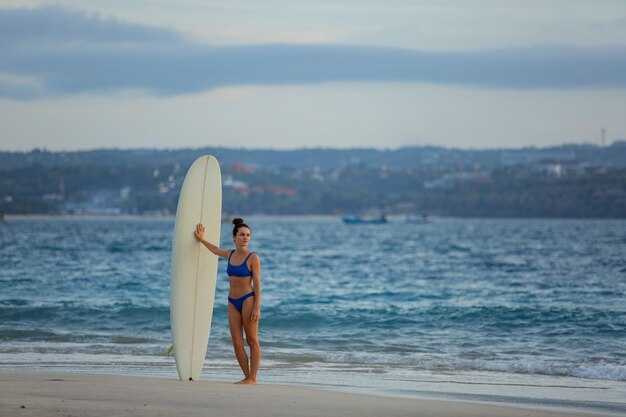
Start your coastal surfing with Costa da Caparica for your first sessions; forgiving waves and shallow sandbars let beginners gain confidence quickly. Book a beachfront hotel along the coastal strip to chase your desire for easy, long waves, and enjoy sessions on clean, natural sandbanks that stretch along the coast.
Nearby beginner-friendly options along the Lisbon metro area include Carcavelos Beach and the southern stretches of Costa da Caparica, both delivering long, gentle rollers. Arrive at sunrise to catch cooler water and smoother faces, and sign up for a local school that runs afternoon sessions when the wind relaxes.
For improvers, Ericeira and Peniche bring steadier rhythm and more variety. Ribeira d’Ilhas in Ericeira offers long, forgiving rights ideal for cross-shore days, while Peniche’s Baleal zone and the surrounding bays provide faster tempos and cleaner lines. These towns sit within easy reach of Lisbon, the capital, and near tourist-heavy cities whose surrounding villages add flavor. You’ll learn quickly with a guide who maps tides and reefs, and you’ll hear tips from a local coach named amelie. Many surfers have heard stories from local crews about best lines.
Advanced breaks come alive with Nazaré’s colossal swells and Supertubos’s fast, hollow beach tubes. Both spots demand local knowledge, careful safety checks, and trusted instructors. In spring the coastline shifts, and the vast water can feel cooler without a full wetsuit, but the extent of break variety and the energy at nearby cafes keep the vibe high.
Plan your holidays around swells and life along the coast. Check the forecast, join a few sessions with amelie, a local coach, and explore the surrounding cities and churches after rides. The vita of coastal Portugal blends great waves with tasting fish, fields of dunes, and vast horizons; logistics stay simple with almost no issue.
Beaches for Sun Seekers: Family-Friendly Shores and Accessible Access
Visit salema Beach for a calm, kid-friendly start to your beach day. whats better for a family than warm sand and shallow water? salema remains a top pick for a first stop along the coast, with a riverside promenade, open spaces, and easy parking. welcome to a coastline that emphasizes safety, friendly service, and accessible access in this country.
Opinions vary, but these picks consistently deliver on calm waters, sun, and convenience. If you havent mapped out a plan yet, start with these options and tailor day trips around tides and crowds.
-
salema (Praia de Salema) – Western Algarve
- Gentle gradient creates a shallow entry, ideal for toddlers.
- Seasonal lifeguard service, clean showers, toilets, and nearby cafés.
- Short, accessible path from parking to sand; riverside paths invite a relaxed post-swim stroll.
- These shores sit in a small, once independent fishing village, which makes the vibe welcoming and authentic.
- Nearby islands offer easy day trips without long travel, keeping the day simple and relaxed.
- ocean views, warm air, and a green backdrop behind the dunes complete the scene.
- Waiting for a taxi or guided bus? The village center is a short, straightforward walk from the beach.
-
Praia da Luz – near Lagos
- Long, broad beach with shallow water and regular lifeguard patrols in summer.
- Wheelchair-friendly access, boardwalks, clean service points, and family-friendly cafés.
- Green spaces behind the sand provide shade and playground options; nightlife stays in town centers, not on the sand.
-
Ilha de Tavira (Praia da Ilha de Tavira) – Algarve islands
- Access by short ferry ride from Tavira; water remains calm in peak season.
- Massive sandy stretches backed by lagoons and dunes; explore the lago area and enjoy a refreshing lago nearby.
- Several service points, showers, sunbeds, and regular lifeguard coverage; guided boat trips are popular for families.
-
Costa da Caparica – near Lisbon
- open coastline with the highest concentration of accessible beach entries within a short ride from the capital.
- Ramps, beach mats, and flat access points at multiple sections; long, open sands with defined family zones and sheltered coves.
- Regular bus links from Lisbon and Caparica towns; posted restrictions help manage crowds during peak days.
- Evenings offer a mild nightlife in nearby towns, while the beaches stay welcoming and calm for day visits.
- On brava days, seek sheltered corners that still offer great ocean views and easy access.
-
Praia de Alvor – Portimão region
- Extensive dunes and a green backdrop create a scenic, safe environment for kids.
- Wide, flat sands with gentle entry; on-site service includes showers, toilets, and family-friendly cafés.
- Riverside strolls between the beach and the village add a pleasant after-swim option.
These options are designed to be easy to navigate, with open access, warm waters, and reliable service. If you want a balanced day, start with salema, add a visit to the Tavira islands, and finish along Caparica’s coastline–these moves makes the day flexible and stress-free for every family member.
Cultural Highlights You Can Experience in a Day: Cities, Museums, and Castles
Start with a focused Lisbon loop: ride the old tram through Alfama, climb Castelo de São Jorge, and stroll to Belém for a pastel de nata and a view of the Tagus and the Atlantic. Below is a core three-stop plan that fits into a day and is only a sample route.
Visit museums in the afternoon: Calouste Gulbenkian Museum for classical art, Museu Nacional do Azulejo for tiles, or the Berardo Collection Museum for contemporary works. Visiting these spots lets you swap outside strolls for inside spaces while keeping the cultural thread strong.
To finish with a castle experience, head to Sintra: Pena Palace on a hill and the Moorish Castle ruins, both reachable by train or a short vehicle ride. In spring the jacaranda blooms and olive groves along the countryside add peacefulness, making the views memorable and the day more than a checklist.
Below are seven practical tips to keep the day smooth: map a seven-stop list, buy skip-the-line tickets, and choose a vehicle for outside segments or quick train hops. Plan meals with local flavors–dine on grilled sardines, caldo verde, and olive oil salads; visit artisans markets for crafts; stay flexible so others in your group stay engaged. If time allows, add a beach pause in Cascais or a nearby golf round to extend the experience.
Year-round, this approach blends cultural depth with countryside air. You can enjoy street music in Alfama, sample olive oil with meals near the coast, and tailor the route for winter sun or spring blooms. This main plan makes a compact circuit that satisfies a customer seeking authentic experiences and makes the most of seven stops in a day and beyond, to an extent.
Gastronomy and Wine: Must-Try Dishes, Markets, and Regional Vintages
Booking a tasting at Time Out Market Lisbon is the fastest way to sample iconic dishes and discover regional vintages in one bite-friendly setting.
In lisbon, start with bacalhau à Brás or bacalhau com natas, move to sardinhas assadas with batatas, caldo verde, and polvo à lagareiro, and finish with pastel de nata. These spots offer a concise snapshot of Portuguese flavors, and spring and autumn bring peak freshness to seafood and produce; these times are ideal for sampling what’s in season.
Markets such as Mercado da Ribeira in lisbon and Mercado do Bolhão in porto connect you with producers–posted boards show daily specials. You can sample octopus, sardines, greens, and breads, then sit to eat at market tables. For a rural contrast, stroll through the villages along the douro and alentejo routes to discover small-family run tasquinhas and cellar doors without other fuss. Where these routes intersect, you’ll find tiny shops with regional sweets and cured meats.
Regional vintages shine across countrys: Douro Port wines and dry reds, Alentejo red blends, and Vinho Verde whites from Minho. In Douro, visit a quinta for a guided tasting that blends fortified Port with mature reds; in Alentejo, test red and white blends built for aging; in Minho, pick crisp, citrusy whites for warm days. A day trip also ensures you meet winemakers and receive insider tips. While in lisbon, stop near Belem Tower to pair a light seafood plate with a glass of Moscatel or a fresh white.
Portugal reveals a world, full of flavors and textures. Whats on the boards often matches what’s on the plates that evening, making planning easy for trips with hotel stays or home bases. Visitors from spains or england often begin with a market crawl in lisbon before heading to the Douro or Alentejo villages. You shall think about what to sample next, booking ahead, and ensure you try spots that feel truly local. Think of it as part of a greater culinary map, without other distractions, and you shall find great value in countrys where food and wine are woven together–without rushing the experience.