


 Српски језик
  English (UK)
  Русский
  বাংলা
বাংলা  العربية
  日本語
日本語  한국어
한국어  Magyar
  Norsk nynorsk
  Türkçe
  עִבְרִית
  Español
  Čeština
  Svenska
  Português
  Ελληνικά
  Suomi
Suomi  Nederlands
  Română
  Italiano
  Français
  Polski
  Українська
  Deutsch
  简体中文
简体中文  Slovenčina
  اردو
اردو  Azərbaycan dili
  O‘zbekcha
  አማርኛ
አማርኛ 
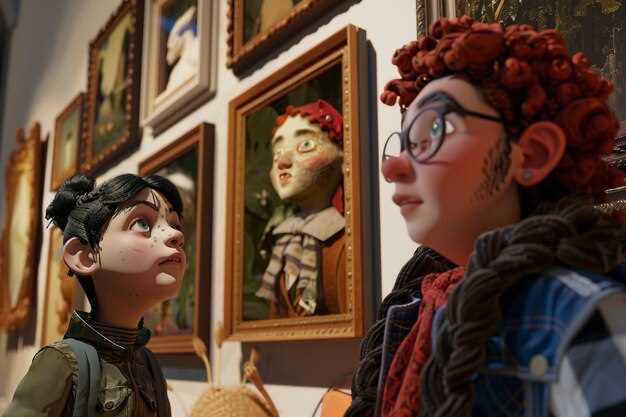
In the vibrant intersection of contemporary art and cinema, Tilda Swinton emerges as a beacon of modern expression, her career marked by a relentless exploration of narrative and style. This exhibition, taking place at Amsterdam’s Eye Filmmuseum, is not merely a showcase of films; rather, it transcends the traditional boundaries of a typical art installation, offering a space for contemplation and intellectual engagement. Here, viewers are invited to navigate through blurred realities, experiencing a rich tapestry of installations that reflect the historical and cultural shifts in film making.
The collaborative efforts of Swinton, renowned directors Pedro Almodóvar and Luca Guadagnino, create a context that is both strong and evocative, an ensemble that encourages spectators to delve into the complexities of perception. These artists, known for their unique impulses and challenging narratives, demonstrate a capacity to address themes that resonate deeply with audiences, devoid of the rigidity often seen in conventional art forms. Their collective works invite an active engagement with the conceptual theories that underpin modern cinema, almost transforming the viewer into a participant in an ongoing dialogue about art and life.
As the exhibition unfolds, critics and fans alike will find themselves immersed in a world that celebrates the fluidity of storytelling. Each installation acts as a separate chapter in a larger story, where the themes of love, loss, and identity are explored through a distinctly emotive lens. This collaboration not only honors Swinton’s legacy but also sets a precedent for future fellowships between film and art, illustrating how the boundaries that separate these worlds can be challenged and redefined. In a time when the cadence of culture is constantly changing, this exhibition stands out as an intellectually stimulating experience that encourages the audience to reimagine their relationship with both film and the arts.
Преглед изложбе
The exhibition featuring Tilda Swinton, Pedro Almodóvar, and Luca Guadagnino at Amsterdam’s Eye Filmmuseum presents a unique exploration of interconnected narratives that resonate with contemporary culture. This dynamic collaboration blurs the lines between film and visual arts, inviting viewers to engage in a deeper conversation about identity and creation. Each artist brings a distinctive perspective shaped by their own experiences, creating a multifaceted reflection of the human condition.
Curated by Benjamin Saillard, the exhibition investigates the thematic implications of the moving image and how it transforms our understanding of reality. Critics have pointed out how the showcase transcends traditional viewing experiences, highlighting the timeless nature of cinema as a beacon of creativity. The exhibition becomes a platform for exploration, illustrating how movies can break down barriers and evoke powerful emotions.
One standout example from the exhibition is a series of light installations inspired by Weerasethakul’s approach to storytelling. His work exemplifies the idea that art can probe the depths of human experience, offering something that goes beyond mere entertainment. This infusion of personal narratives into the exhibition invites audiences to reflect on their own identities, elevating the artistic investigation to new heights.
The exhibitions also touch upon the concept of temporality, suggesting that the shadows of the past continually shape present narratives. As viewers engage with the images displayed, they are encouraged to consider the deeper implications of cultural history in relation to contemporary practices. Swinton’s presence adds a layer of authenticity, as she embodies the fusion of performance and visual interpretation.
Much like the works of Almodóvar and Guadagnino, Swinton’s contributions blur the lines between fantasy and reality. By presenting a range of multimedia elements, the exhibition allows for an interactive experience that resonates on multiple levels. Visitors are invited not just to observe, but to become a part of the ongoing dialogue, prompting a re-evaluation of the roles they play in their own narratives.
This exhibition serves as a reminder that art is inherently interconnected with personal and cultural realities. It urges viewers to reconsider their understanding of cinematic language, which can be anathema to conventional norms. Instead, it celebrates the impulse to explore and experiment, fostering an environment where imagination knows no bounds.
In conclusion, the collaboration at the Eye Filmmuseum does not just showcase individual talents, but weaves together a tapestry of ideas that reflect the complexities of modern existence. From the historical context to the conceptual framework, this exhibition is a critical investigation of how art, identity, and culture influence each other in an ever-changing world.
Key Themes Explored in the Exhibit
The collaboration between Tilda Swinton, Pedro Almodóvar, and Luca Guadagnino at Amsterdam’s Eye Filmmuseum delves deeply into the themes of наратив и temporality. Through their installations, the artists invite the audience to rethink how personal stories shape cultural understanding. Each piece articulates the fleeting nature of life, highlighting how moments can be both profound and изванредан. This exploration challenges visitors to engage with the interconnectedness of their own experiences.
Many of the works are constructed to evoke a heightened emotional response, making the viewing experience deeply personal. Tilda Swinton’s artistry often blurs boundaries, allowing for the exploration of identity while holding space for collective memories. This exhibition lets viewers gauge their own осећања associated with the films and methods of the three artists, pushing them to contemplate their own emotional landscapes.
A prominent theme is the idea of focusing na сенка aspects of human nature. Each installation serves to illuminate these darker, often изазовно themes within the context of contemporary culture. The works prompt the audience to consider what it means to embrace the истинито facets of existence, examining the простор we create around pain and beauty.
Within the exhibition, the relationship between friends serves as a lens through which to view the emotional depth of the creations. This dynamic resonates throughout the films of Almodóvar and Guadagnino, both of whom create rich tapestries of human connection and yearning. The стил of each installation reinforces the notion that personal stories are vital threads in the broader narrative of life and art.
У овом ново setting, the artists invite spectators to navigate through the мењање boundaries of reality and film. Their works are not only about the films themselves but also encompass the process of стварање itself, urging the audience to explore the значење embedded within each frame. This prompts reflections on how cinema influences our perception of time and self.
The exhibition culminates in a call to embrace the unfathomable aspects of existence, urging viewers to appreciate not only the visuals but the misao и стил behind them. By addressing themes of култура и artistry of filmmaking, visitors can find parallels in their own lives that resonate on multiple levels. Ultimately, this challenging yet liberating exhibition achieves a balance between being visually striking and emotionally relevant.
In conclusion, the collaboration at the Eye Filmmuseum exemplifies how art can serve as a conduit for transformation and understanding. The different media and techniques employed by Swinton, Almodóvar, and Guadagnino shape a narrative that is both personal and universally relatable. Each installation succeeds in revealing the richness of human experience, reminding us that our stories are intertwined with those of others, capable of becoming vessels of shared understanding.
Notable Works Featured
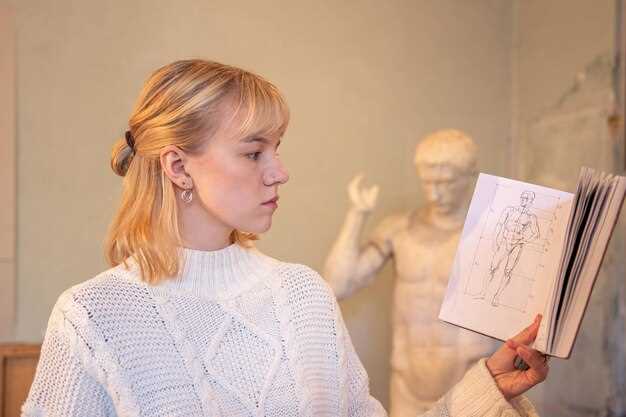
The exhibition at Amsterdam’s Eye Filmmuseum presents a captivating intersection of Tilda Swinton’s and Pedro Almodóvar’s artistic expressions, showcasing installations that explore the narratives of existence and identity. These notable works delve into the themes of temporality and the fleeting nature of life, making the audience reflect on their own perceptions of reality.
One installation that stands out is a collaborative piece illustrating the blurred boundaries between light and shadow. Through a series of meditative images, the work transforms the gallery into a profound setting where viewers are invited to explore their emotional responses. Critics have praised this piece for how it illustrates the intersection of rationality and sensibility, making the themes more evident for those who engage with it.
- Investigative narratives that challenge current societal norms.
- Temporal explorations that free the viewer from conventional storytelling.
- Installation pieces that encompass what it means to be human in times of crisis.
Swinton’s connection with Luca Guadagnino is also highlighted in the exhibition, showcasing elements of their works that define their legacies as filmmakers and artists. Instead of separating their individual styles, the exhibition enhances an understanding of their interconnected oeuvre, reflecting their shared vision and the profound impact it has on the cinematic world.
As the artists continue to evolve, the narratives presented in their works show a commitment to investigating human experiences through an innovative lens. This endeavor defies traditional forms of storytelling by placing viewers at the heart of a deeper conversation about life and its more complex aspects.
In the future, exhibitions like this will likely influence how we perceive art in relation to the ever-changing world around us. The impact of such installations goes beyond the fleeting moments they capture; they leave a lasting imprint on the viewer’s consciousness, making us question what is true and what’s merely an illusion, echoing the timeless nature of art itself.