


 Српски језик
  English (UK)
  Русский
  বাংলা
বাংলা  العربية
  日本語
日本語  한국어
한국어  Magyar
  Norsk nynorsk
  Türkçe
  עִבְרִית
  Español
  Čeština
  Svenska
  Português
  Ελληνικά
  Suomi
Suomi  Nederlands
  Română
  Italiano
  Français
  Polski
  Українська
  Deutsch
  简体中文
简体中文  Slovenčina
  اردو
اردو  Azərbaycan dili
  O‘zbekcha
  አማርኛ
አማርኛ 
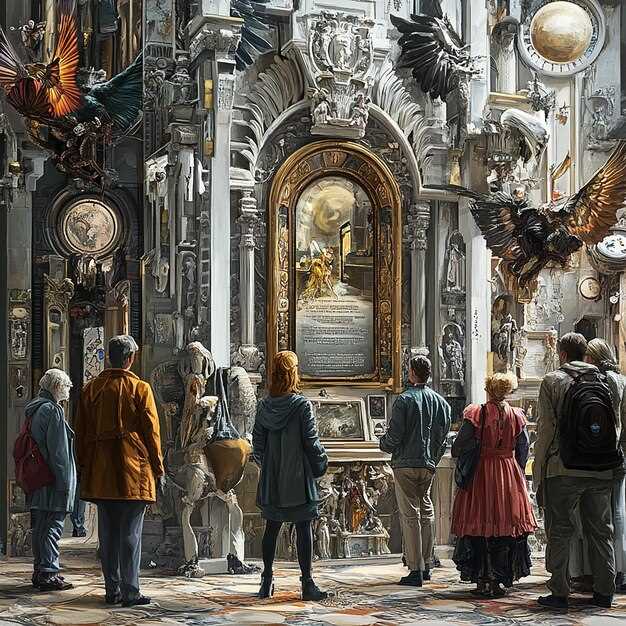
Venice, a city built on water, is not only a marvel of architecture and history but also a vibrant hub for art lovers. With a rich tapestry woven from the threads of its Venetian heritage, the city offers a unique itinerary for those seeking to explore the masterpieces of the Renaissance alongside contemporary galleries. Walking through its winding canals and splendid piazzas, one can almost feel the presence of legendary artists like Tintoretto and Giobbe, who left an indelible mark on this beautiful destination.
This article serves as a guide for the discerning collector and casual admirer alike, featuring key routes to navigate between the main attractions and hidden gems. From the grand altarpieces housed within the Gallerie dell’Accademia to the modern works displayed during various biennials, Venice provides a diverse array of artistic experiences. Each year, the city welcomes countless visitors eager to see the brilliant use of gold and vivid detail that characterizes the masterpieces of the past, while also celebrating the innovative expressions of today’s contemporary artists.
As you move through this enchanting city, take the time to explore lesser-known venues as well. The Grimani Palace, for example, hosts a collection that makes a perfect contrast to the grandeur of St. Mark’s Basilica. Immersing oneself in both Renaissance and modern works not only deepens one’s appreciation for art but also reveals how these periods intersect and inspire one another. From the open-air exhibitions to the intimate settings of small galleries, Venice is a city where art lovers can truly lose themselves, unable to leave without enriching their understanding of artistic evolution.
Masterpieces of the Renaissance in Venice
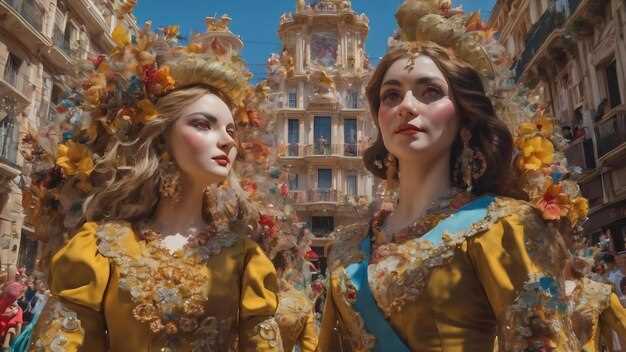
Venice is home to some of the greatest masterpieces of the Renaissance, with iconic works that have captivated art lovers for centuries. The main highlights include remarkable altarpieces and elaborate frescoes created by masters like Tintoretto and Paolo Veronese. The splendid делла Salute Church houses magnificent works that reflect the religious fervor of the period. Visitors can track artistic routes that connect multiple churches, such as Santa Maria del Giglio and San Giorgio Maggiore, each boasting its own unique treasures. As you walk through these historic places, the warmth of the architecture and the glimmer of golden details inspire a deep appreciation for the past.
Over the years, Venice has declared itself a sanctuary for art, not only for historical pieces but also for contemporary exhibitions. The Correr Museum, situated near St. Mark’s Square, offers access to a delightful blend of Ренесанса artifacts and modern installations. During the biennials, one can choose from an array of galleries that showcase both local and international artists, enriching the artistic tapestry of the city. As art lovers stroll through the grand palace corridors and open-air galleries, they are often reminded of the vibrant cultural exchange that continues to shape Venice, making it a must-visit destination for those who appreciate the finest works of art.
Identifying Key Works by Titian
As you begin your journey through Venice, one of the main points of interest is undoubtedly the magnificent works of Titian. This renowned Venetian artist has left a splendid legacy that remains a significant part of the city’s architectural heritage. His masterpieces, often found in crowded churches and galleries, are not just paintings; they are vibrant stories capturing the essence of the Renaissance. When looking for such gems, it’s good to take your time and appreciate each work, as they often embody both personal and cultural narratives.
One of Titian’s most impressive altarpieces is the “Assumption of the Virgin,” located in the Basilica di Santa Maria Gloriosa dei Frari. This large work, which dominates the church’s main altar, impresses visitors with its dynamic composition and radiant colors. Titian’s ability to create a sense of movement in this scene is a testament to his skill as a painter. Take a few minutes to stand back and absorb the grandeur of this piece before moving on to other locations.
Another remarkable destination is the “Venus of Urbino,” housed in the Uffizi Gallery. This masterpiece is celebrated for its portrayal of beauty and sensuality, inviting viewers to ponder both the subject and the artist’s intentions. While visitors may feel a sense of connection with the painted Venus, it is also an excellent opportunity to track the evolution of Titian’s style over the years. Here, Titian has transformed a mythological figure into a relatable, human form, leaving collectors and art lovers in awe.
| Рад | Локација | Значајне карактеристике |
|---|---|---|
| Assumption of the Virgin | Basilica di Santa Maria Gloriosa dei Frari | Dynamic composition, vibrant colors |
| Venus of Urbino | Galerija Ufici | Portrayal of beauty, human connection |
| Bacchus and Ariadne | Национална галерија, Лондон | Mythological narrative, vivid color |
Understanding the Influence of Tintoretto
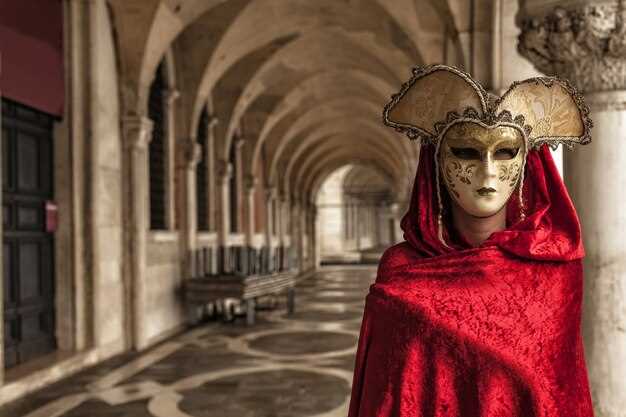
Tintoretto, one of the most significant artists of the Venetian Renaissance, played a critical role in shaping the city’s artistic heritage. His dramatic use of light and dynamic compositions distinguished him from his contemporaries. Unlike Titian, who favored a more classical approach, Tintoretto’s works are characterized by a sense of movement and emotional intensity. This unique style has influenced numerous artists and still captivates those who visit the museums and churches of Venice today.
Art lovers should definitely include Tintoretto’s masterpieces in their Venice itinerary. The most notable sites are the Scuola Grande di San Rocco and the Basilica di Santa Maria della Salute, where his grand-scale paintings create an extraordinary visual experience. While there, visitors can admire works like “The Crucifixion” and “The Last Judgment,” which reflect his ability to convey complex narratives through vivid imagery. Such paintings not only showcase his artistic genius but also serve as significant historical landmarks.
The architectural context of Tintoretto’s work enhances its significance. His paintings often adorned the walls of large spaces, effectively turning these churches and galleries into open-air museums. The interplay between architecture and painting creates a warm atmosphere that invites viewers to engage deeply with the art. Furthermore, the way he utilized natural light in these settings made his works feel almost alive, drawing spectators into the scene as if they were a part of the action.
Artists throughout the centuries have been inspired by Tintoretto’s innovative techniques and emotional depth. Collectors and museums worldwide continue to seek out his works, understanding their importance in the broader context of art history. The splendid legacy of Tintoretto can be traced through subsequent periods, influencing the likes of Jackson Pollock and other modern artists, who have taken cues from his use of color and form.
When visiting Venice, it is worth taking guided tours that focus on Tintoretto. Such experiences can help avoid the common pitfall of overlooking lesser-known works hidden among tourist hotspots. An expert guide can illuminate the stories behind specific paintings and discuss how Tintoretto’s approach differed from his peers, enhancing appreciation for this incredible master.
For those planning their holidays in Venice, exploring Tintoretto’s art is a must. His works, often placed alongside those of other great masters in the Correr Gallery and various biennials, offer insights into the evolution of Renaissance art while showcasing the rich cultural tapestry of the city. Whether you are a seasoned connoisseur or a casual visitor, understanding Tintoretto’s influence is essential to grasping the essence of Venetian art.