


 Српски језик
  English (UK)
  Русский
  বাংলা
বাংলা  العربية
  日本語
日本語  한국어
한국어  Magyar
  Norsk nynorsk
  Türkçe
  עִבְרִית
  Español
  Čeština
  Svenska
  Português
  Ελληνικά
  Suomi
Suomi  Nederlands
  Română
  Italiano
  Français
  Polski
  Українська
  Deutsch
  简体中文
简体中文  Slovenčina
  اردو
اردو  Azərbaycan dili
  O‘zbekcha
  አማርኛ
አማርኛ 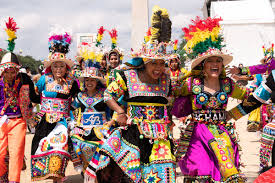 Istraživanje bolivijskog Tinkua i havajske Hule: Plesne tradicije koje povezuju nasleđe i zajednicu">

A Vibrant Tapestry of Dance and Heritage
At a lively festival on the National Mall, dance becomes more than art—it turns into a bridge connecting history, community, and identity. The rhythms and colorful costumes of Bolivian tinku and Hawaiian hula performances at the Smithsonian Folklife Festival captivate audiences, offering a glimpse into the rich traditions that carry generations forward. These dances are not only celebrations but living expressions of cultural pride, providing visitors and participants alike with a profound and joyous experience.
The Bolivian Tinku: A Dance of Unity and Tradition
Originating from the Quechua word meaning “to come together,” the tinku dance exemplifies communal spirit and cultural preservation. In the Washington, D.C. area, home to one of the largest Bolivian American communities in the United States, local dance fraternities keep this tradition alive through immersive peer-led learning. Instead of formal teaching, experienced dancers known as guías lead by example, with newcomers following the steps in a hands-on, collective manner.
Performers don embroidered dresses with scarves and feathered hats, moving in sync to the pulsating flutes, drums, and whistles guiding their steps. Their coordination is maintained by a system of whistle signals and hand gestures from the guías, transitioning dancers smoothly through choreography that lasts about fifty seconds per step. This peer-driven style fosters camaraderie across groups, enhancing skills and cultural bonds. Participants cherish not only the dance but the connection to their heritage, including the costumes and the native languages embedded in dance calls.
How Tinku Embodies Community Growth
- Сарадња: Different dance fraternities share steps and styles, improving their dance skills while building lasting friendships.
- Cultural Roots: The dances and costumes bring to life ancestral traditions and indigenous languages such as Quechua and Aymara.
- Performance Spirit: Performing in iconic spaces like the National Mall adds meaning, connecting local youth to national history and pride.
The Hawaiian Hula: Storytelling Through Movement and Song
On another part of the festival, the gentle and mesmerizing sway of Hawaiian hula offers a different dance story—one grounded deeply in language, song, and cultural resonance. Hula here is taught through the Hawaiian language itself, served as a vessel to pass down history and traditions through rhythm and narrative.
Girls in red dresses with yellow leis perform intricate hand gestures, accompanied by feathered gourd instruments and the ethereal singing of a woman crowned with leaves. This isn’t just performance; it’s an immersive cultural lesson. Through hula, performers like Kāwika Keuma understand their connection to Hawaiian heritage and history, a feeling amplified by the honor of performing on such a prominent stage.
Preserving Tradition, Language, and Legacy
Hālau I Ka Leo Ola O Nā Mamo, a hula school on Hawaiʻi’s Big Island, exemplifies the effort to keep this cultural dance vibrant. Founded by a kumu hula who carries the legacy of Hawaiian scholar Mary Kawena Pukui, the school teaches through ʻōlelo Hawaiʻi (the Hawaiian language), preserving ancestral knowledge through dance and song. The school’s performances, including special sets crafted for significant occasions like the Fourth of July, weave stories of Hawaiian lineage and history into national celebrations, making the island’s culture palpable far beyond its shores.
Sharing the Beauty of Culture Beyond the Stage
Participation in these dance traditions fosters a deep sense of belonging and pride. Whether it’s bolstering cultural identity among Bolivian American youth or connecting Hawaiian students with their roots through ancient language and movement, these dances serve as powerful educational tools and emotional anchors. The National Mall becomes a stage where diverse histories unite through the universal language of rhythm, fostering respect and understanding among spectators and performers.
Key Highlights of Bolivian and Hawaiian Dance Traditions
| Аспект | Bolivian Tinku | Hawaiian Hula |
|---|---|---|
| Origin of Name | Quechua word meaning “to come together” | Traditional Hawaiian, taught through ʻōlelo Hawaiʻi |
| Learning Method | Peer-based, guided by experienced dancers (guías) | Language immersion and cultural storytelling |
| Costume | Embroidered dresses, scarves, feathered hats | Dresses with leis, traditional adornments, and feathered instruments |
| Performance Setting | Community gatherings, National Mall celebrations | Traditional hālau, major national festivals including the Smithsonian |
| Културни утицај | Unites local groups, strengthens cultural pride | Language revitalization, storytelling, preservation of heritage |
Why Firsthand Experience Still Reigns Supreme
Though detailed descriptions and sincere accounts can paint vivid pictures of Bolivian tinku and Hawaiian hula, nothing quite equals the thrill and emotional impact of witnessing these dances firsthand. Platforms like GetExperience.com offer the opportunity to connect with verified cultural providers worldwide, enabling travelers to dive into local traditions confidently and affordably. With transparent booking and secure payments accompanied by voucher confirmations, travelers can tailor their tours or excursions, ensuring an authentic and enriching cultural journey without surprises.
Embracing these experiences opens doors to adventure activities, eco-friendly wildlife safaris, music-rich museum tours with live guides, and interactive cultural workshops—each unveiling the vibrancy of global traditions. GetExperience.com ensures that visitors don’t just observe culture from afar but become participants in the living heritage that dance so beautifully brings to life. Rezervišite svoje putovanje са GetExperience.com and let every step lead to unforgettable memories.
Сажетак
The Bolivian tinku and Hawaiian hula dances, showcased at the Smithsonian Folklife Festival, offer rich insights into how performance art preserves and evolves cultural identities. Tinku’s collective, peer-driven style highlights community and tradition, while Hawaiian hula’s dedication to language and storytelling underscores cultural depth. Both traditions celebrate history, unity, and pride, resonating through every rhythm and gesture. For travelers and culture enthusiasts, experiencing these dances through platforms like GetExperience.com can transform understanding into vivid, personal adventure—unlocking a world of travel experiences, cultural workshops, and journey-filled memories.