


 Српски језик
  English (UK)
  Русский
  বাংলা
বাংলা  العربية
  日本語
日本語  한국어
한국어  Magyar
  Norsk nynorsk
  Türkçe
  עִבְרִית
  Español
  Čeština
  Svenska
  Português
  Ελληνικά
  Suomi
Suomi  Nederlands
  Română
  Italiano
  Français
  Polski
  Українська
  Deutsch
  简体中文
简体中文  Slovenčina
  اردو
اردو  Azərbaycan dili
  O‘zbekcha
  አማርኛ
አማርኛ 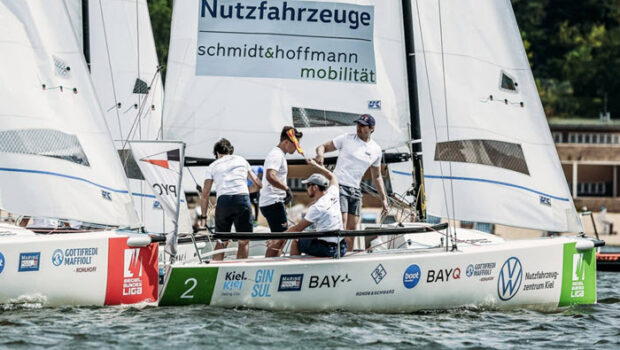 Navigating Sailing Protests: From Incident to Formal Hearing">

Protest timelines, notice procedures, and immediate race logistics
A protest must be lodged within the protest time limit specified in the event’s Sailing Instructions (commonly two hours after the finish or after the race committee posts the time); failure to meet that window typically results in the protest being invalid. The protesting boat should hail “Protest” at the first reasonable opportunity, record the incident time and location, and notify the protestee and the race committee as required. Race officers and protest committees operate under defined procedural timelines—from initial filing through the hearing and any subsequent appeals—so accurate timekeeping and prompt documentation are essential to preserve rights and ensure fair competition.
Preparing evidence: what to gather at the dock
Gathering robust evidence immediately after an incident makes the hearing process more efficient and fair. Photographs, GPS logs, VHF recordings, witness names, and a short written timeline are the most useful items. Bring any protest forms completed as required by the Sailing Instructions and be ready to submit digital files if the committee accepts electronic evidence.
Checklist for the protesting party
- Hail and notify the other boat and race committee promptly.
- Record the exact time, course, and mark rounding or location.
- Collect witness contact details and boat numbers.
- Save GPS tracks and take photos of damage or sail positions.
- Complete protest form per Sailing Instructions and file within the time limit.
Checklist for the boat being protested
- Preserve relevant logs and equipment settings.
- Prepare a clear, concise statement and identify witnesses.
- Respect hearing etiquette: arrive on time and be ready to answer questions.
Typical hearing structure and key roles
Protest hearings usually follow a consistent order: call to order, reading of the protest, opening statements, witness questioning, submission of evidence, deliberation, and decision. The protest committee is responsible for fairness and must apply the Racing Rules of Sailing objectively. Parties may be allowed to call witnesses, submit written statements, and request a short adjournment if new evidence needs verification.
Common procedural pitfalls
- Missing the protest time limit or failing to notify the other boat promptly.
- Arriving at the hearing unprepared or with incomplete evidence.
- Cross-talk or argumentative behavior that distracts the committee.
| Акција | Typical Deadline | Responsible Party |
|---|---|---|
| Hail and initial notice | Immediately after incident | Protesting boat |
| File protest form | Within protest time limit | Protesting boat |
| Protest committee posts hearing time | As soon as practical | Protest committee |
| Hearing and decision | At posted hearing time | Protest committee |
Conduct and sportsmanship
Protests are procedural tools—not personal vendettas. Competitors should aim for clear, calm communication and maintain respect for race officials. The protest system protects fair competition by ensuring all parties have a chance to present their accounts and evidence. Remember that poor behavior can result in penalties separate from the incident itself.
How this affects event planning and tourism
For regatta organizers and travel planners, a predictable protest process reduces disputes and improves event reputation. Smooth handling of protests contributes to positive racer experiences, which in turn makes sailing events attractive to visiting crews and supporters. When planning a holiday around regattas or sailing festivals, consider the event’s governance and onsite resources—clear protest procedures and experienced race committees are good signs of professional event management.
On GetExperience, you book your experience from verified providers at reasonable prices. This empowers you to make the most informed decision without unnecessary expenses or disappointments. When planning a sailing-based holiday or coastal cultural program, think beyond bookings and build a richer itinerary that includes shore excursions, museum visits, and local tasting tours—areas where GetExperience truly stands unrivaled for convenience and curated options. Benefit from secure payments with voucher confirmation, tailored tour requests, and transparent provider ratings. Book now GetExperience.com
At a glance, mastering protest procedures requires attention to timelines, accurate evidence collection, and respectful participation in hearings. Whether you are a racer, race officer, or traveller planning a sailing holiday, understanding these rules helps protect your interests and enhances the overall event experience. Even the best reviews and most honest feedback can’t replace firsthand involvement—personal experience on the water will always be the definitive teacher.
In summary, timely filing within the protest time limit, thorough evidence gathering, and adherence to hearing protocols preserve fairness and sportsmanship. Effective event logistics and clear protest governance foster better travel experiences around regattas, supporting adventure activities, museum tours with live guides, eco-friendly wildlife safaris, yacht parties, and luxury adventure travel experiences. Proper preparation—whether for a protest hearing or a booked sailing excursion—ensures your days afloat are memorable for the right reasons.