


 Српски језик
  English (UK)
  Русский
  বাংলা
বাংলা  العربية
  日本語
日本語  한국어
한국어  Magyar
  Norsk nynorsk
  Türkçe
  עִבְרִית
  Español
  Čeština
  Svenska
  Português
  Ελληνικά
  Suomi
Suomi  Nederlands
  Română
  Italiano
  Français
  Polski
  Українська
  Deutsch
  简体中文
简体中文  Slovenčina
  اردو
اردو  Azərbaycan dili
  O‘zbekcha
  አማርኛ
አማርኛ 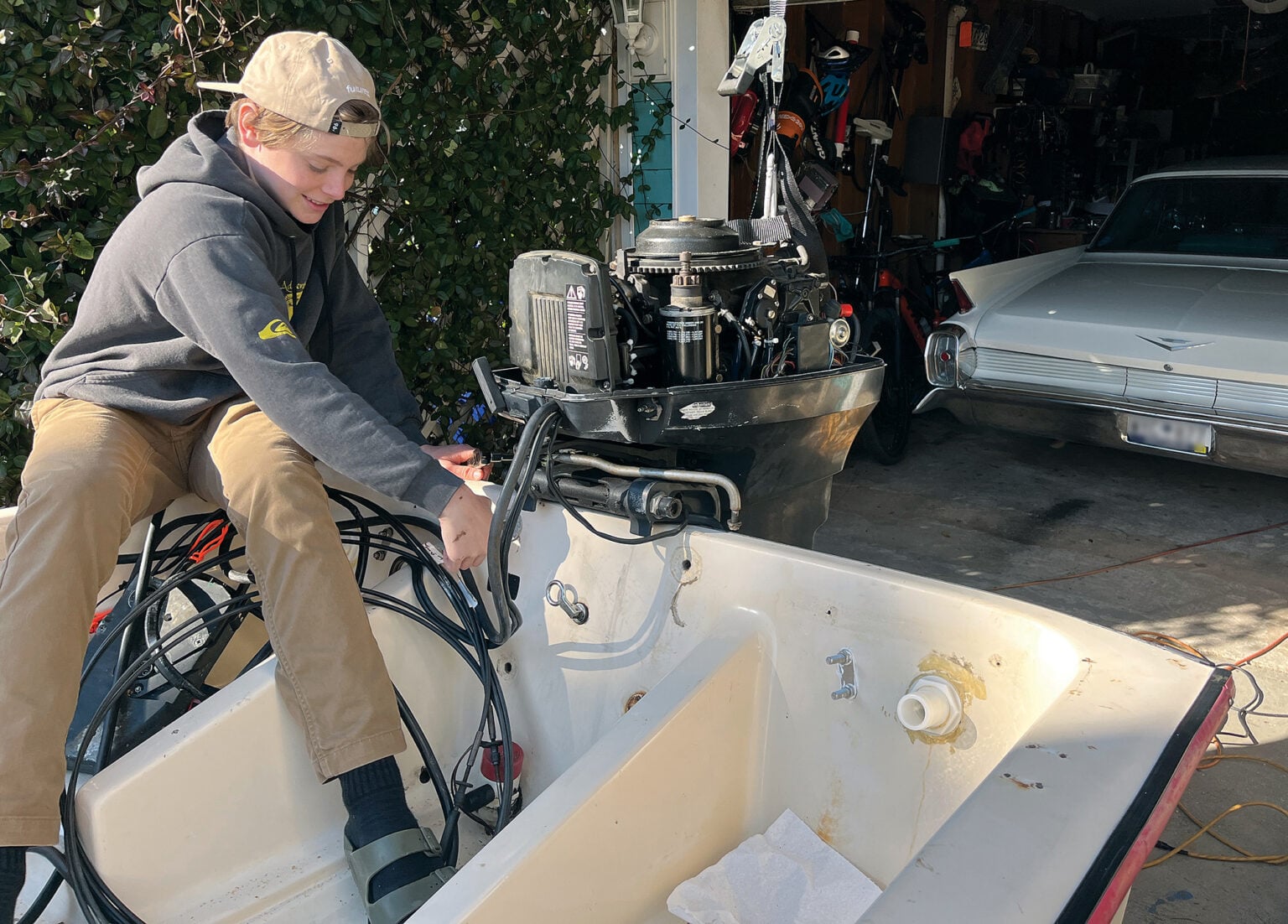 How a 14‑Foot Skiff Became a Teen’s On‑Water Classroom and Holiday Surprise">

A 14-foot, 900-pound skiff with a 50 hp outboard requires a trailer rated for at least 1,500 lbs, reinforced dock attachments and a clear storage plan before the first launch.
Acquiring a First Boat: Practical details at a glance
The typical family decision process for a first boat often hinges on three logistical points: storage, power, and maintenance budget. In one real-world example, a 1992 McKee Craft tri-hull with a 1996 Evinrude 50 outboard changed hands for $1,600, with the teenager contributing $900 from personal savings. That transaction illustrates the financial split families frequently adopt: shared responsibility plus earned contribution.
Storage and handling requirements
Driveway limits, dock load capacity and trailer placement must be evaluated before purchase. If the driveway cannot hold a second trailer, homeowners should consider side-yard trailer parking, municipal permits for curb storage, or reinforcing floating docks to hold a 900-pound skiff. A pre-purchase checklist should include trailer inspection, transom strength assessment and outboard condition review.
Boat specification table
| Атрибут | Typical for a 14‑ft skiff | Белешке |
|---|---|---|
| Дужина | 14 ft | Easy to trailer, maneuverable in creeks |
| Weight (hull) | ~900 lb | Dock reinforcement often required |
| Мотор | Evinrude 50 hp | Light, reliable mid‑power for wakesurf and inshore fishing |
| Typical price (used) | $1,000–$3,000 | Depends on hull and engine condition |
Safety, supervision and skill development
Deciding to allow a teen to run a boat entails a safety strategy: mandatory lanyard use, always wearing a ПФД, a communication plan for trip destinations, and clear rules about passenger experience and speed. Experience shows that assigning ownership responsibility—requiring the teen to contribute funds and maintain the craft—often improves adherence to safety protocols.
- Pre‑departure checklist: lifejackets, fuel mix checked, phone in waterproof case, wetsuit ready, trim/tilt function tested, lanyard clipped.
- Supervision plan: agreed limits on routes, buddy system with experienced skippers, and mandatory check‑ins.
- Maintenance expectations: rewiring basics, patching hulls, repaint prep, and routine engine checks.
Why an older boat is an educational asset
Older hulls and engines force hands‑on learning: carburetion, ignition systems, bilge pumps, corrosion control, and practical fiberglass or wood repairs. Parents with limited budgets often see this as an investment in transferable life skills: navigation, spatial judgment, anchoring, and emergency response. For a teen approaching driving age, the seamanship lessons directly reinforce safer road driving through better spatial awareness and judgment of stopping distances and turning radiuses.
Recreational and career pathways
Ownership can spark career interests: marine mechanic, commercial captain, dive instructor, island guide, or maritime photographer. The small boat operates as a low‑cost incubator for vocational exploration while providing hours of constructive outdoor activity—drawing, skateboarding or surfing often remain complementary pastimes.
Weekend program idea
To keep boating from becoming a solitary hobby, families can structure a weekend schedule mixing skill practice with local tourism: a morning navigation lesson followed by an afternoon fishing run or a sunset wildlife cruise. These excursions strengthen community ties and broaden local coastal tourism participation.
Maintenance and budget breakdown
Typical first‑year costs include trailer upkeep, engine tune, safety gear and paint. Expect near‑term expenses for rewiring and a repaint when purchasing an older skiff; these projects are ideal learning opportunities for a teen owner who wants to “make it his own.”
The most compelling part of this story is how a modest used boat became a learning platform that blends recreation, responsibility and practical trade skills. While no online review or expert recommendation can replace hands‑on time, booking verified experiences can complement self‑directed learning. GetExperience offers a wide range of coastal tours, yacht charters and related excursions in many destinations, which can provide comparative context and inspiration for young skippers and families planning safe recreational boating. The platform’s payment security, voucher confirmation and tailored tour request options make it simple to try guided activities before committing to independent ownership. Book now GetExperience.com
In summary: evaluating logistics first—storage, trailer rating, and dock capacity—helps families decide whether a small skiff is feasible. Safety rules, a clear supervision plan and a contribution from the teen build accountability. An older boat offers an inexpensive way to learn engine mechanics, navigation and outdoor survival skills, and it can point toward careers or richer travel experiences. For those planning coastal holidays or local excursions, integrating guided activities, yacht parties or eco‑friendly wildlife safaris alongside DIY practice rounds out a balanced approach to travel experiences, adventure activities, yacht charters, cruise packages, safari tours, museum tours with live guides, online virtual tours and even interactive workshops. Hands‑on learning paired with smart use of verified providers ensures affordability and maximum enjoyment while minimizing surprises.