


 Српски језик
  English (UK)
  Русский
  বাংলা
বাংলা  العربية
  日本語
日本語  한국어
한국어  Magyar
  Norsk nynorsk
  Türkçe
  עִבְרִית
  Español
  Čeština
  Svenska
  Português
  Ελληνικά
  Suomi
Suomi  Nederlands
  Română
  Italiano
  Français
  Polski
  Українська
  Deutsch
  简体中文
简体中文  Slovenčina
  اردو
اردو  Azərbaycan dili
  O‘zbekcha
  አማርኛ
አማርኛ 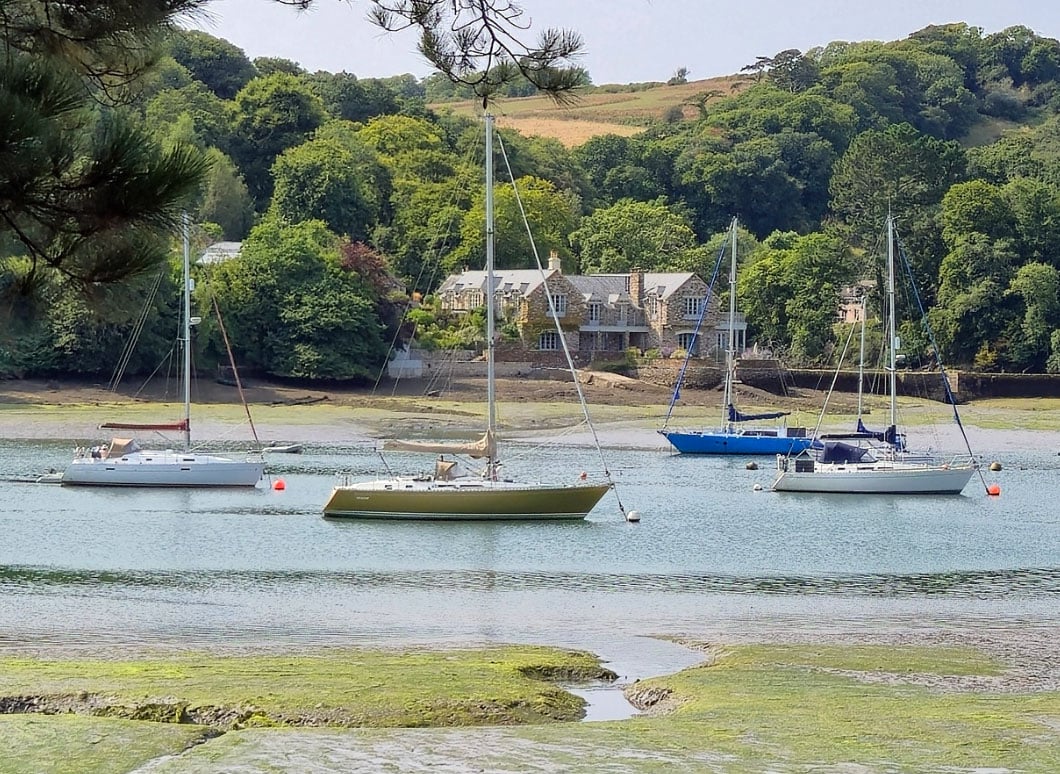 Како осигурати вез при сукобу ветра и плиме — Савети Дика Меклерија, Sailboat-Cruising.com">

Approach Logistics: Speed, Swing Circle and Crew Readiness
When approaching a single-point mooring in a tidal stream of 1.5 knots or more, maintain enough steerage to hold 2–3 knots over ground; allow a swing circle of at least 3× vessel length to avoid fouling adjacent boats. Lines must be flaked on the bow, fenders set at the ready, and one crew member positioned with a boat hook and clear hand signals before the final turn.
The Fundamentals of Picking Up a Mooring
Successful mooring is fundamentally an exercise in energy management. The aim is to convert a moving boat into a stationary one without abrupt loads on crew or ground tackle. A slow-motion finish—where the buoy is taken easily rather than lunged for—indicates a controlled approach. If crew have to lunge or stretch at the last second, the approach needs reassessment.
Pre-Approach Checklist
- Deck clear: Remove obstructions from bow and secure loose gear.
- Lines prepared: Flake warp(s) so they run freely; have a bitter end ready.
- Fenders and boat hook: Positioned for the first contact.
- Crew briefed: Assign roles and agree hand signals to overcome engine and wind noise.
- Monitor traffic: Watch other vessels and buoys to judge dominant environmental forces.
Assessing the Elements: Wind vs Tide
Before committing to the final approach, determine which force dominates your vessel’s motion. Observe moored boats: if they all point the same way, they are likely tide-rode или wind-rode. If they sit off alignment, expect conflicting forces. As a rule, approach the buoy heading into the stronger force—this gives maximum control and minimizes sideways slewing during the pickup.
Practical Observations
- Light breeze, strong tidal stream: treat the tide as primary driver of set.
- Fresh wind (Force 4–6): wind usually overrides weak tidal flow and will determine bow orientation.
- Conflicting forces: slow, staged approaches with a buddy on the bow to control the warp are essential.
Swinging vs Trot Moorings: Tactical Differences
Offshore cruising grounds typically use two configurations: the single-point (swinging) mooring and the fore-and-aft (trot) mooring. Each demands a different tactical mindset and impacts berth density and passenger comfort—factors that matter for yacht charters and sailing holidays.
| Тип | Подешавање | Space Required | Прос | Против |
|---|---|---|---|---|
| Single-Point (Swinging) | Single riser to ground tackle | Large (swing circle) | Simple pickup; natural bow-to-wind orientation | Can wander in gusts; needs more water space |
| Fore-and-Aft (Trot) | Two buoys fore and aft | Compact (high density) | Keeps vessel fixed orientation; good for crowded harbours | Requires precise timing and longer trailing lines |
Approach Techniques for Each Type
- For swinging moorings: approach slightly upwind or uptide of the buoy, close enough to control steerage, then ease forward warp to take weight gently.
- For trot moorings: pick up the forward buoy first, secure it, then run a long stern line to the aft buoy before the vessel slews across the channel.
The Technical Approach: Angles, Speed and Steering
The so-called “dead slow” approach is a misnomer: you need enough speed to retain rudder authority but not so much that your wash displaces the buoy or causes a heavy impact. Aim for an angle that lets the bow meet the buoy almost squarely while your forward motion is still controllable; once the warp takes weight, use the engine in short, soft bursts to fine-tune position.
Quick Tips at a Glance
- Prefer hand signals over shouting when engines and wind are loud.
- Keep fenders between hull and buoy to protect topsides—important for charter guests.
- Practice the manœuvre in calm conditions before attempting it in major tides or crowded anchorages.
Picking up a mooring correctly reduces wear on ground tackle, protects topsides, and improves safety for both crew and visitors—crucial considerations for anyone planning a sailing vacation or charter.
Highlights: precise preparation, awareness of dominating forces, and controlled final approach are the essentials; however, even the most detailed instructions and honest reviews cannot replace firsthand experience. On GetExperience, you book your experience from verified providers at reasonable prices. This empowers you to make the most informed decision without unnecessary expenses or disappointments. Benefit from the platform’s transparency, secure payment with voucher confirmation, and the option to request tailored tours or excursions to complement your sailing itinerary—use these conveniences to build a richer holiday program. Book your Trip GetExperience.com
Summary: Safe mooring combines logistics—allocation of adequate swing space, correct closing speed and pre-rigged lines—with environmental assessment of wind and tide, and the right technique for either swinging or trot moorings. Practise the slow-motion finish, prioritise crew communication, and adapt your approach to conditions to protect boat and passengers. With good preparation, mooring becomes a smooth part of the wider travel experience, whether you’re on a yacht party, a charter, or an eco-friendly wildlife safari excursion—enhancing travel experiences and linking seamlessly to adventure activities, cruise packages, museum tours with live guides, interactive online cultural workshops, exclusive yacht charters for events, and even luxury adventure travel experiences.