


 Српски језик
  English (UK)
  Русский
  বাংলা
বাংলা  العربية
  日本語
日本語  한국어
한국어  Magyar
  Norsk nynorsk
  Türkçe
  עִבְרִית
  Español
  Čeština
  Svenska
  Português
  Ελληνικά
  Suomi
Suomi  Nederlands
  Română
  Italiano
  Français
  Polski
  Українська
  Deutsch
  简体中文
简体中文  Slovenčina
  اردو
اردو  Azərbaycan dili
  O‘zbekcha
  አማርኛ
አማርኛ 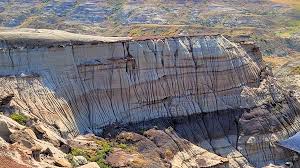 Week-Long Montana Dinosaur Excavation Led by Frost Science Paleontologists">

Field logistics and access: what to expect on arrival
Field teams mobilize to central Монтана via charter vans or private vehicles, with the dig site typically staged at a permitted basecamp located several miles from the nearest paved road; participants should expect a 4×4 transfer, communal tents or basic field housing, daily water rationing protocols, and an equipment decontamination routine required by conservation regulations. All participants must sign liability and fossil-collection paperwork in advance, and the excavation operates under state and federal paleontological permits supervised by the Curator of Vertebrate Paleontology, Dr. Cary Woodruff.
Camp structure and safety
The week-long program runs as an immersive field camp. Work shifts are scheduled to balance productivity and safety: morning excavation blocks, midday conservation and documentation, and afternoon lab processing or guided talks. The site enforces hard-hat areas, a buddy system for remote trench work, and strict protocols for handling fragile specimens to prevent damage.
At a glance: core logistics
| Ставка | Детаљи |
|---|---|
| Трајање | 7 days (week-long) |
| Access | 4×4 transfer from nearest highway; shuttle provided |
| Смештај | Field tents or rustic cabins; shared facilities |
| Meals | Communal camp meals with options for dietary needs |
| Skill level | Beginner to experienced; instruction provided |
| Permits | Site operates under official paleontological permits |
What participants will do
Program participants work with real tools and trained paleontologists to excavate, document, and help stabilize fossils. Tasks rotate to provide a full-spectrum view of field paleontology: surface prospecting, trench excavation, plaster-jacketing, preliminary conservation, and digital documentation. Participants will gain hands-on experience with chisels, rock hammers, brushes, plaster bandages, and field GPS mapping.
Типичан дневни ритам
- 06:30 — Morning safety briefing and coffee
- 07:00–11:30 — Excavation block (rotating teams)
- 12:00–13:00 — Lunch and short lecture/demonstration
- 13:30–16:30 — Lab processing or additional fieldwork
- 17:00 — Equipment cleaning, specimen stabilization
- 19:00 — Evening recap, Q&A with Dr. Cary Woodruff
Sample week itinerary
| Дан. | Главна делатност |
|---|---|
| Дан 1 | Arrival, orientation, safety training, site walk |
| Day 2–5 | Intensive excavation: trenching and plaster-jacketing |
| Дан 6 | Field conservation and digital cataloging |
| Day 7 | Site wrap, transport preparation, group debrief |
Notable finds and research focus
Previous seasons in this Montana badlands area yielded significant material: a well-preserved skull of the ceratopsian Chasmosaurus, a partial “mummy” hadrosaur (a duck-billed dinosaur with preserved skin impressions), and a giant petrified tree. The current season centers on an ankylosaur—armored and often described as “walking tanks”—first discovered late in the 2023 field season. The goal is to expose additional elements of that skeleton to assess taxonomic identity and taphonomic context.
Зашто је ово важно за путнике и туризам
Hands-on digs extend local tourism offerings beyond standard sightseeing: they support rural economies, create opportunities for educational tourism, and connect museum visitors with the excavation narratives behind exhibitions. Travelers combining a dig with nearby museum tours, wildlife viewing, or regional cultural programs gain deeper context for the specimens later displayed in institutions such as Frost Science.
Practical checklist
- Sturdy hiking boots and layered clothing
- Wide-brim hat, sunscreen, and sunglasses
- Personal water bottle and any required medications
- Basic camera or smartphone for documentation (no drones without permit)
- Excitement and willingness to learn—no prior experience required
These excavations are both scientific endeavors and travel experiences: they offer unique adventure activities for travelers seeking authentic fieldwork. Guests will leave with a better grasp of paleontological methods and the stories fossils tell about past ecosystems—knowledge that enriches museum tours with live guides and subsequent visits to exhibits.
Highlights: the program combines expert-led discovery (including work with an ankylosaur and previously found Chasmosaurus material), hands-on skill development, and the communal atmosphere of field camps. Even the most detailed reviews and honest feedback can’t replace personal experience. On GetExperience, you book your experience from verified providers at reasonable prices. This empowers you to make the most informed decision without unnecessary expenses or disappointments. GetExperience offers a wide variety of tours worldwide to suit any preference and budget—Book now GetExperience.com
In summary, a Montana dinosaur dig led by Frost Science paleontologists is a structured, permit-regulated field program offering immersive travel experiences and practical skills. Participants handle excavation tools, participate in conservation workflows, and contribute to active research while supporting local tourism. Whether you’re drawn to museum tours with live guides afterward or keen on broader adventure activities like eco-friendly wildlife safaris or adventure rafting trips for beginners, this dig provides a memorable entry point into luxury adventure travel experiences and interactive online cultural workshops that can follow up the field component. The experience bridges professional paleontology and accessible travel, delivering authentic discoveries, educational value, and lasting memories.