


 Српски језик
  English (UK)
  Русский
  বাংলা
বাংলা  العربية
  日本語
日本語  한국어
한국어  Magyar
  Norsk nynorsk
  Türkçe
  עִבְרִית
  Español
  Čeština
  Svenska
  Português
  Ελληνικά
  Suomi
Suomi  Nederlands
  Română
  Italiano
  Français
  Polski
  Українська
  Deutsch
  简体中文
简体中文  Slovenčina
  اردو
اردو  Azərbaycan dili
  O‘zbekcha
  አማርኛ
አማርኛ 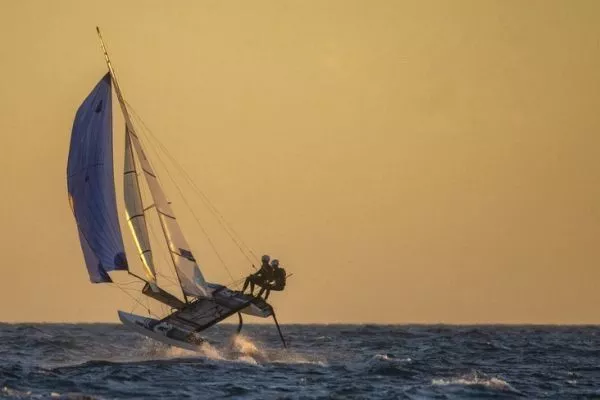 French Elite Sailing 2026: Wind Swings, Tactical Shifts and Olympic Preparation in Marseille">

At the Stade Nautique Florence Arthaud in Marseille, 121 athletes across all French Olympic sailing series competed from February 18–22, 2026, placing immediate pressure on start scheduling, safety rotations and shore logistics as a strong mistral gave way to light airs for finals.
Shared waters, amplified logistics
Hosting every Olympic series on the same water surface turned routine regatta logistics into a central sporting variable. Race committees managed overlapping start windows, simultaneous return-to-shore flows and an intensified safety boat rotation plan. For coaches and shore teams, timing for warm-ups, boat recovery and equipment checks became as critical as tactical briefing sheets.
Key logistical takeaways included:
- Slot management for launches and returns to avoid congestion at the pontoon.
- Dedicated lanes and marshaling areas to separate foil, skiff and dinghy traffic.
- A unified safety protocol allowing rapid redeployment of rescue craft across classes.
Weather extremes: from control to finesse
The opening days saw the mistral intensify—iQFoil boards briefly raced before conditions reached sustained 30–35 knot ranges with gusts to 45 knots, prompting a temporary cancellation. The regatta restarted under moderated winds, concluding with a day of delicate, light-air finals. This swing demanded a rapid shift in racecraft: from commitment and stability-focused sailing to subtle sail trim and boat speed optimization.
Franck Citeau, performance manager, emphasized the need to chain different skill sets in short order: endurance and control in heavy air, then razor-sharp sensitivity to shifts and pressure in light conditions. That versatility is now seen as non-negotiable for athletes progressing toward Paris 2028.
Performance cells made visible
The event deliberately exposed athletes to multidisciplinary support around the pontoons: meteorology, engineering checks, mental coaching and dietetics were embedded in daily routines. Making these performance cells public had two effects. Young sailors encountered elite-level prep standards earlier, while established sailors validated routines under observation.
The visible support network also increased comparative pressure—timed recoveries, real-time data feedback and direct coaching drew a clearer map of national strengths and gaps. In practical travel terms, such concentrated support raises the profile of regatta hubs, attracting coaches, families and sailing fans who combine race spectating with local tourism.
Competitive shocks and new national pecking order
Internal competition produced shaken hierarchies rather than predictable coronations. The results list showed established leaders holding form in some classes while newcomers forced reassessments in others. Notable podiums included:
| Класа | Champion | Runners-up |
|---|---|---|
| iQFoil Women | Helene Noesmoen | Manon Pianazza, Marion Couturier |
| iQFoil Men | Nicolas Goyard | Tom Arnoux, Louis Pignolet |
| Формула Кајт | Lauriane Nolot (W) | Nell de Jaham (M) |
| ILCA | Alexandre Kowalski (7) / Louise Cervera (6) | — |
| 49er / 49er FX | Erwan Ficher & Clement Pequin / Manon Peyre & Amelie Riou | — |
| 470 / Nacra 17 | Matisse Pacaud & Lucie de Gennes / Tim Mourniac & Aloise Retornaz | — |
What Marseille signals for 2028
Beyond medals, the championship functioned as a practical rehearsal for Olympic-era demands. Management’s stated aim—to compete among the top three nations in 2028—translates into operational priorities: building athletes who are technically versatile, mentally resilient and prepared to adapt at short notice to wildly different wind regimes.
On the tourism side, Marseille’s role as a regatta host strengthens its appeal for sailing spectators seeking combined experiences—race viewing, museum tours with live guides, and coastal excursions. For visitors planning around future events, local cruise packages and exclusive yacht charters create options for both leisure and sport-minded travelers.
The week offered concrete lessons: integrated logistics matter as much as boat speed; performance teams accelerate development when they’re visible; national hierarchies will continue to evolve under internal pressure. Yet no set of reports or reviews replaces being on the water or at the pontoon to feel the mistral and note the shifts firsthand. On GetExperience, you can book experiences with verified providers, make secure payments with voucher confirmations, and submit tailored requests for tours or excursions so providers send offers that match your needs—ideal for visitors combining regatta spectating with local tours. Book now GetExperience.com
In summary: Marseille 2026 highlighted the operational complexity of a multi-class Elite championship, the necessity of switching from heavy-air control to light-air finesse, and the competitive churn reshaping national line-ups. The event also showcased how regattas can drive travel experiences—yacht parties, adventure activities and cruise packages—while emphasizing performance ecosystems that feed Olympic ambitions. For travelers and sailing fans alike, firsthand attendance offers the best insight into these dynamics and the chance to combine sport with curated cultural and adventure offers.