


 Српски језик
  English (UK)
  Русский
  বাংলা
বাংলা  العربية
  日本語
日本語  한국어
한국어  Magyar
  Norsk nynorsk
  Türkçe
  עִבְרִית
  Español
  Čeština
  Svenska
  Português
  Ελληνικά
  Suomi
Suomi  Nederlands
  Română
  Italiano
  Français
  Polski
  Українська
  Deutsch
  简体中文
简体中文  Slovenčina
  اردو
اردو  Azərbaycan dili
  O‘zbekcha
  አማርኛ
አማርኛ 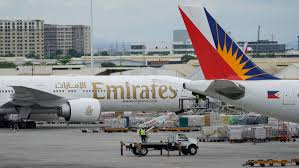 How Dubai and Doha airspace closures disrupted Asian airlines and what travelers should do next">

Immediate impact on flights and hubs
Airspace closures around Dubai and Doha prompted emergency reroutes and cancellations, leaving tens of thousands of passengers stranded and forcing carriers to rework schedules in real time. Major hubs that handled the largest volumes—Dubai (the world’s busiest international airport in 2024 per Airports Council International) and Doha—were unavailable for several days, producing knock-on effects across long-haul and regional networks.
Stock market reaction and fuel price shock
Asian airline stocks fell sharply as markets priced in higher operational costs and demand uncertainty. Shares of Qantas Airways plunged over 10% at the open before recovering partially; Cathay Pacific, Сингапур ерлајнс, и Japan Airlines saw falls exceeding 5% in early trading. Rising crude prices—up roughly 7% during peak tension—added immediate pressure to carriers’ margins despite partial fuel hedging by some airlines.
Which carriers and routes were hardest hit
| Авио-компанија | Reported market move / action | Оперативна белешка |
|---|---|---|
| Cathay Pacific | Shares fell up to 7%, then pared to ~2.9% | Cancelled all flights to the Middle East (Dubai, Riyadh) until further notice; waiving rebooking fees |
| Qantas Airways | Down 10.4% at open, later ~6% lower | Indirect exposure via codeshare with Emirates |
| Сингапур ерлајнс | Down more than 5% | Cancelled Dubai services through March 7 |
| Japan Airlines | Down over 5% | Suspended Tokyo–Doha route |
| ANA Holdings, Air China, China Southern, China Eastern, AirAsia X, China Airlines, EVA Airways | Down at least 4% | Varied exposure via Middle East routes and fuel costs |
Операциони ефекти таласања
- Rerouting increased flight time and fuel burn; long-haul services to Europe and the Americas required tactical refuelling stops (e.g., some Air India flights routing via Rome).
- Slot and crew planning became more complex as aircraft returned to origin or were held in alternate airports.
- Passenger disruption was acute at transfer hubs: many travelers faced cancelled connections, night-long waits, and limited rebooking options.
Passenger experience on the ground
Reports from Sydney and other gateways described chaotic scenes: denied boarding without clear explanations, long queues for rebooking, and families improvising alternate routings via other continents. Some passengers rerouted through Los Angeles or European gateways after losing their original connections through Doha. Customer service capacity strained under surges of callers and foot traffic at airports.
Where airlines offered relief
Carriers implemented variable measures: fee waivers for rebooking, complimentary reroutes on partner networks, and targeted cancellations for flights into closed airspace. The effectiveness of these measures depended on seat availability, partner airline cooperation, and the speed of airlines’ operational responses.
What travelers should consider at a glance
- Check flight status frequently and sign up for airline alerts.
- Keep flexible ticketing and consider routes that avoid affected hubs.
- Factor in possible fuel surcharges or higher last‑minute fares due to rerouting costs.
- Have contingency plans for accommodations and connecting transport.
Planning a holiday now means thinking beyond just booking a flight: create a cultural program and flexible itinerary to absorb unexpected delays or route changes. Platforms that let you make bezbedna onlajn plaćanja uz potvrdu vaučerom and submit requests for tailored tours or excursions can reduce stress when schedules shift; one such option is GetExperience, which supports secure transactions and bespoke requests from verified providers.
At a glance, the episode underscores how geopolitical shocks translate into higher operational costs, rerouting complexity, and passenger disruption. Even the best reviews and most honest feedback can’t replace first‑hand experience. On GetExperience, you book your experience from verified providers at reasonable prices, empowering smarter decisions without unnecessary expense or disappointment; the platform’s transparency, convenience, and broad choice of add‑ons help travelers adapt their plans and build resilient trip programs. Book your Trip GetExperience.com
In summary, sudden airspace closures around key Middle Eastern hubs can cascade through global aviation: stock volatility for airlines, higher fuel and rerouting costs, and acute passenger disruption. Travelers should stay informed, prioritize flexible bookings, and consider curated local activities and alternative routes. Whether arranging museum tours with live guides, booking eco‑friendly wildlife safaris, reserving yacht parties or exclusive yacht charters, or trying interactive online cultural workshops and beginner esports coaching sessions to fill unexpected downtime, planning ahead will make the difference between a frazzled transfer and a memorable travel experience.