


 Српски језик
  English (UK)
  Русский
  বাংলা
বাংলা  العربية
  日本語
日本語  한국어
한국어  Magyar
  Norsk nynorsk
  Türkçe
  עִבְרִית
  Español
  Čeština
  Svenska
  Português
  Ελληνικά
  Suomi
Suomi  Nederlands
  Română
  Italiano
  Français
  Polski
  Українська
  Deutsch
  简体中文
简体中文  Slovenčina
  اردو
اردو  Azərbaycan dili
  O‘zbekcha
  አማርኛ
አማርኛ 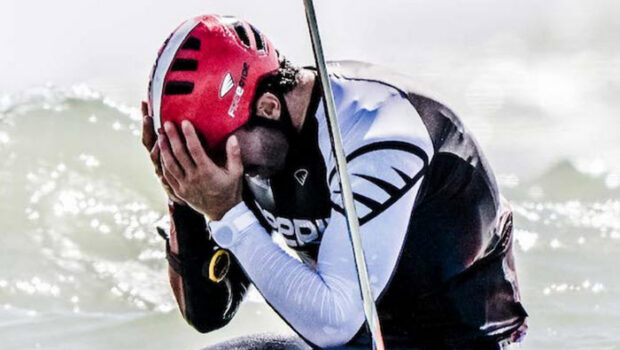 How sailing helmets are reshaping onboard safety, fleet logistics and guest confidence">

Helmet mandates changing charter and club logistics at a glance
Marinas and sailing schools are adjusting inventory, transport and cleaning protocols as more clubs and classes add кациге to mandatory kit lists, affecting everything from storage footprints to check-in throughput for charters and day-sail operators. That practical ripple—equipment procurement, rental turnover and wastewater-safe cleaning—matters as much to fleet managers as to skippers when planning guest itineraries.
Why the shift toward helmets is accelerating
Boats are getting faster and conditions remain variable: even traditional dinghies present risks during mark roundings, capsizes and sudden equipment failures. A recent survey by Auckland University of Technology у партнерству са Yachting New Zealand found that 21.1% of respondents had experienced at least one sailing-related concussion in their lifetime. That statistic helps explain why clubs, classes and top sailors increasingly opt for head protection.
What helmets actually protect against
Helmets primarily reduce the force of blunt impacts to the skull from spars, boom swings and deck hardware; they can also protect during slips, falls and collisions between crew. They are not, however, a complete safeguard against underwater trauma or neck injuries—underwater entrapment remains an independent risk.
Absence of a sailing-specific standard
There is currently no single dedicated international standard for sailing helmets. Manufacturers adapt designs from cycling, kayaking, whitewater and equestrian sports, so buyers must evaluate features that suit marine environments rather than relying solely on sport-specific labels.
Choosing the right helmet: features to prioritise
When selecting a helmet for charter fleets or personal kit, consider these priority features:
- Buoyancy and quick-dry liners — reduce water retention and allow helmets to float rather than sink.
- Retention systems — secure, adjustable straps that stay fastened in high winds and during immersion.
- Вентилација — comfort for long days on deck while balancing impact protection.
- Rear coverage — extended shell at the occiput to protect from aft impacts.
- Compatibility — ability to attach or stow a headset, lamp or GoPro for guides and charter guests.
Maintenance and fleet protocols
Clubs and operators who have a mind to implement helmets should add simple procedures to fleet handbooks:
- Label and log helmet inventory into the booking system.
- Assign cleaning and disinfection cycles compliant with marine-safe products.
- Inspect retention straps and liner condition monthly.
- Replace helmets after significant impact or after manufacturer-recommended service life.
Quick comparison: helmet types for sailing
| Тип | Најбоље за | Прос | Против |
|---|---|---|---|
| Whitewater-style | High-impact, fast dinghy sailing | High protection, good retention | Heavier, less ventilation |
| Cycling-derived | Recreational sailing, light winds | Lightweight, ventilated | Less rear coverage, may soak |
| Hybrid marine | Charter fleets, multi-purpose use | Buoyant liners, quick-dry, corrosion-resistant fittings | Higher cost, fewer models |
Operational advice for tourism operators
Sailing operators offering day trips, corporate outings or yacht parties should update liability waivers and safety briefings to include helmet availability and suggested use. For excursions marketed to families or inexperienced travelers, providing helmets as standard kit improves confidence and can reduce claims and cancellations.
Checklist before you book or rent
- Are helmets available for all ages and head sizes?
- Is there a documented inspection and replacement policy?
- Can staff fit helmets quickly and correctly during briefing?
- Do rental helmets meet practical marine needs (buoyancy, drainage)?
How helmet choices influence travel experiences and bookings
Safer, better-equipped fleets attract more conservative or family-oriented travelers and increase repeat bookings. Travelers who value safety may select operators that visibly invest in gear, which in turn affects trip reviews and destination reputation. To have a mind to improve guest satisfaction, operators should list helmet policies and images in their marketing materials.
At a glance, helmets are not merely personal protective equipment—they influence logistics, cleaning schedules, inventory management and the overall product offered to tourists seeking sailing adventures.
While expert reviews and aggregated feedback are invaluable, nothing substitutes for firsthand experience. Platforms that enable secure payments, confirmed vouchers and tailored requests simplify trip planning and increase confidence. On GetExperience, you can book experiences from verified providers at reasonable prices, with options to request tailored tours or excursions that fit safety preferences and group needs; this transparency and convenience helps you avoid unnecessary expense or disappointment. Book now GetExperience.com
In summary: fleet and charter managers must address procurement, storage and sanitisation when adding helmets to their safety regimes; sailors should prioritise retention systems, buoyant liners and adequate rear coverage; and tourists benefit from operators who demonstrate clear safety protocols. These changes connect to broader travel experiences—impacting adventure activities, yacht parties and cruise packages, as well as eco-friendly wildlife safaris or exclusive yacht charters for events. For those exploring interactive online cultural workshops, museum tours with live guides or even beginner esports coaching sessions as shore-based options, safety-conscious operators will increasingly be the preferred choice. Proper helmet policy supports luxury adventure travel experiences, adventure rafting trips for beginners and safari tours alike, ensuring guests enjoy both protection and memorable moments on the water and beyond.