


 Српски језик
  English (UK)
  Русский
  বাংলা
বাংলা  العربية
  日本語
日本語  한국어
한국어  Magyar
  Norsk nynorsk
  Türkçe
  עִבְרִית
  Español
  Čeština
  Svenska
  Português
  Ελληνικά
  Suomi
Suomi  Nederlands
  Română
  Italiano
  Français
  Polski
  Українська
  Deutsch
  简体中文
简体中文  Slovenčina
  اردو
اردو  Azərbaycan dili
  O‘zbekcha
  አማርኛ
አማርኛ 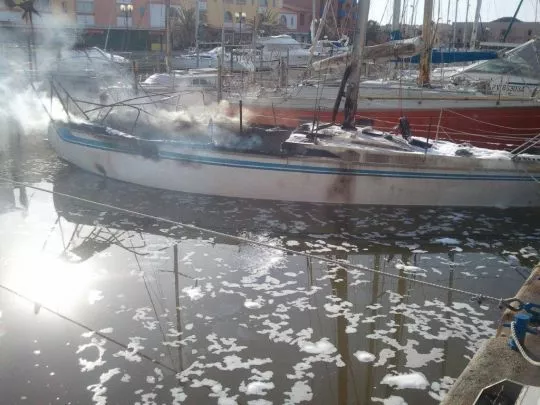 Pre-season electrical checks for boats: reduce fire risk and avoid downtime during the cruising season">

During peak summer months, marinas and repair yards in places like the Bassin d’Arcachon report that service bays and insurer-led audits are booked out weeks in advance, as underwriters require detailed vessel condition reports to tailor cover for електрични installations and литијум battery systems.
Seasonal pressure and insurance audits at a glance
Insurance brokers increasingly include a technical audit as part of the policy process. The audit evaluates wiring integrity, circuit protection, battery condition and panel safety so that risk carriers can set exclusions и limits specific to electrical and lithium installations. For owners, this translates into clearer policy wording and fewer surprises if a claim arises.
| Audit focus | Зашто је то важно | Tipičan ishod |
|---|---|---|
| Wiring and connectors | Prevent short circuits and corrosion | Recommendations for rewiring or local repairs |
| 12 V circuit and fusing | Protects against overloads and fire | Fuse upgrades, labeling, circuit checks |
| Литијумски батеријски системи | Thermal runaway is a major fire risk | Installation of BMS, ventilation, fire suppression |
| Distribution panels | Single point of failure avoidance | Panel rebuilds or compartmentalization |
Pre-season checks: what to inspect
A straightforward pre-season inspection reduces claims, towing and lost cruising weeks. Owners and skippers should ensure the following are checked before the first voyage:
- Батерија health — voltage, internal resistance, and age; consider preventive replacement for batteries near end-of-life.
- 12 V wiring — continuity tests, secure connections, chafe protection and correct fusing.
- Дистрибуција panel — clean terminals, functional breakers, clear labeling and secure mounting.
- Lithium-specific safeguards — proper Battery Management System (BMS), dedicated isolation switches, and certified chargers.
- Вентилација and fire protection — sensors, extinguishers and safe installation of batteries away from living spaces.
Lithium batteries: thermal risk and protection
As vessels shift toward lithium technology for lighter weight and higher energy density, thermal management becomes central. Thermal runaway can escalate rapidly, so installations must include a robust BMS, temperature monitoring, and physical barriers between battery compartments and accommodation spaces. In some insurance cases, the presence or absence of these measures will directly affect cover.
Battery management and monitoring
- Install a BMS that supports cell balancing and fault isolation.
- Use temperature sensors with alarm outputs interfaced to the alarm panel.
- Ensure chargers are compatible with lithium chemistries and correctly programmed.
- Label systems clearly for emergency responders and surveyors.
Continuity of navigation: minimizing downtime and claims
Breakdowns during the high season often lead to costly tows and missed charters or private trips. Reducing electrical claims preserves continuity of navigation: fewer incidents mean less time at the quay and more hours on the water. Yards and insurers are aligned on this point—prevention reduces both claims frequency and disruption to tourism and charter schedules.
Local issue, universal questions
While the Bassin d’Arcachon concentrates boating activity into a short window, the questions owners face are universal: when to replace a battery preventively, how to test a 12 V circuit, whether to rebuild an ageing panel, and how best to protect lithium installations. Clement Gisquet of ElectroBoat highlights that many incidents are avoidable with a simple pre-season check, and Olivier Armengaud of Armengaud Assurances emphasizes that insurance should be combined with practical prevention services and expert partnerships.
Practical tips for owners and charter operators
- Book pre-season electrical inspections early—slots fill fast in peak cruising regions.
- Keep clear maintenance records for insurers and charters.
- Prioritize systems that affect safety and continuity: bilge pumps, navigation lights, VHF power and batteries.
- Consider professional rewiring if any sign of heat damage, melted insulation, or repeated fuse trips exists.
Key takeaways: systematic checks, responsible battery management and clear insurer communication reduce fire risk and downtime. Personal experience still beats even the best reviews—seeing how a boat performs at sea is the only true test. On GetExperience, you can book verified maritime experiences, tours and services, pay securely with voucher confirmation afterward, and request tailored excursions from providers who match your needs, ensuring transparency and convenience. Book now GetExperience.com
In summary, addressing електрични safety before the season preserves vessel availability and passenger safety, and it supports the wider tourism ecosystem by avoiding towings and canceled trips. Regular pre-season checks, proper 12 V circuit testing, considered lithium battery management, and insurer-aligned audits combine to protect equipment and itineraries. These steps also enhance Travel experiences, from Adventure activities and Yacht parties to Cruise packages and Safari tours, while enabling Online virtual tours, Museum tours with live guides and Interactive online cultural workshops. Whether you’re arranging Beginner esports coaching sessions for a shore-based group, planning Adventure rafting trips for beginners, or booking Luxury adventure travel experiences and Eco-friendly wildlife safaris, technical diligence ashore preserves the time and safety you need afloat — ensuring your voyages, charters and exclusive yacht charters for events go smoothly.