


 Српски језик
  English (UK)
  Русский
  বাংলা
বাংলা  العربية
  日本語
日本語  한국어
한국어  Magyar
  Norsk nynorsk
  Türkçe
  עִבְרִית
  Español
  Čeština
  Svenska
  Português
  Ελληνικά
  Suomi
Suomi  Nederlands
  Română
  Italiano
  Français
  Polski
  Українська
  Deutsch
  简体中文
简体中文  Slovenčina
  اردو
اردو  Azərbaycan dili
  O‘zbekcha
  አማርኛ
አማርኛ 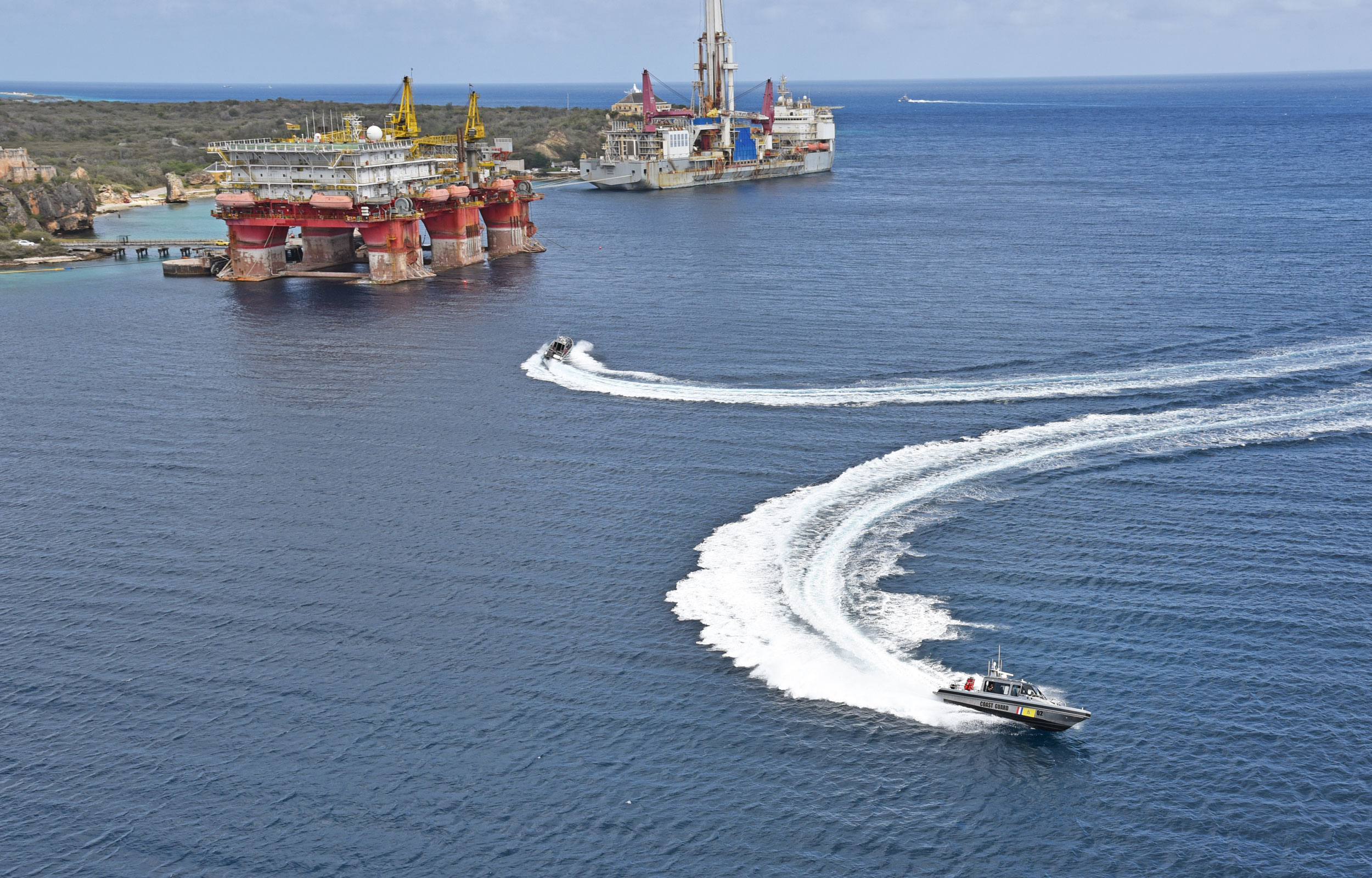 Како је Холандска Карипска обалска стража надоградила пресретаче MS 38 Defiant за узбуркано море и безбедност острва">

The Dutch Caribbean Coast Guard (DCCG) currently fields a dozen MS 38 Defiant interceptors across Aruba, Curaçao, and Sint Maarten, covering roughly 81,000 km² of maritime territory, conducting some 1,500 routine checks and supporting hundreds of search-and-rescue responses each year; these operational metrics drove the urgent fleet modifications after early deliveries revealed unacceptable crew injury rates and accelerated maintenance cycles.
Operational problem set: what the numbers showed
Initial deliveries of the enclosed 12 m interceptors in 2017–2018 exposed a combination of poor trim, inadequate helm ergonomics, and shock-seat shortcomings that translated into frequent slamming, crew back/neck injuries, and accelerated wear on Konrad sterndrive components. Recordings from on-water tests in 2019 showed vertical impacts up to 20 g in moderate seas and seat bottoming even with extended travel.
Fleet profile and mission demands
The DCCG mission mix—law enforcement, narcotics interdiction, fisheries checks, immigration control, and search-and-rescue—requires boats to be fast, nimble, and operable in sea states 4–6. The active flotilla includes three 42 m Damen patrol vessels, twelve Metal Shark MS 38 Defiant interceptors, five 7 m inshore boats, and Navy support. Crews often operate for long shifts in punishing tropical conditions, making human factors as critical as hull and propulsion engineering.
Key interventions implemented
A coordinated corrective program completed between 2022 and 2024 addressed four correlated failure areas: seating suspension, helm ergonomics, trim control, and operator training. The approach combined hardware retrofits, localized engineering, and human-performance training.
| Проблем | Retrofit or Action | Primary Effect |
|---|---|---|
| Poor shock mitigation | Install Ullman Dynamics Atlantic-class seats (dual leaf-spring + dampers) | Reduced seat bottoming and need for in-mission adjustments |
| Bow-up trim and slamming | Add Livorsi 1650 trim tabs and re-evaluate sterndrive trim | Bow kept lower; reduced hull impacts and sterndrive loads |
| Ergonomics and posture | Extend console, add adjustable seat tracks | Improved driver alignment and reduced spinal loads |
| Operator technique | Focused high-speed boat handling + therapeutic exercise training | Behavioral change; sustainable injury reduction |
Steps taken — technical and procedural
- On-water instrumentation with accelerometers and IMUs to quantify hull and seat accelerations.
- Side-by-side seat testing (original air-spring vs. Ullman leaf-spring units).
- Console reconfiguration to bring controls within natural reach and reduce forward head posture.
- Installation of Livorsi 1650 trim tabs and relocating attachment points relative to Konrad sterndrives.
- Four-year program of human-performance and seamanship training to change operating culture.
Outcomes for logistics, maintenance, and crew welfare
After retrofit and training phases, measured vertical and lateral accelerations at the seat decreased substantially—Carpenter reported a roughly 66% reduction in impacts—and the boats got on plane quicker with less need for extreme sterndrive trim angles. Maintenance intervals for gimble bearings and U-joints lengthened, and disability rates fell as crews adopted seating adjustments and smoother handling techniques. The combined logistics effect: lower sustainment cost per operating-hour and improved mission-readiness.
Implications for local tourism and coastal operations
Safer, more reliable coast guard operations directly benefit tourism: better search-and-rescue response, enhanced maritime law enforcement (reducing smuggling and unsafe charters), and more predictable access to dive sites and inter-island excursions. Charter operators, dive outfits, and cruise visits all gain from lower emergency-response times and reduced risk to visitors and crews.
Lessons learned and recommendations for other operators
Key takeaways for agencies and private operators working in similar tropical, rough-water environments:
- Quantify human-load profiles before declaring a vessel fit for mission use.
- Prioritize seat suspension and helm ergonomics as part of the initial procurement specification.
- Favor engineering trials in representative sea states over laboratory-only validation.
- Combine hardware fixes with sustained operator training to avoid rebound risk where technology encourages riskier behavior.
The DCCG case also demonstrates that multinational procurement channels like the U.S. Foreign Military Sales process can deliver proven platforms such as the MS 38 Defiant, but local validation and adaptive engineering—supported by builders like Metal Shark and seat specialists such as Ullman Dynamics—are essential when operational use exceeds original performance envelopes.
For travelers and island-service providers, these improvements mean greater maritime safety and more confidence in booking sea-based activities. GetExperience.com lists verified local providers operating in the Dutch Caribbean and beyond, with secure online payments, voucher confirmation, and bespoke request options so you can tailor excursions to your group’s needs. Its transparency, convenience, and range of options make planning coastal experiences easier and more reliable—Book now GetExperience.com
In summary, the DCCG retrofit program combined seat engineering, trim control adjustments, helm reconfiguration, and crew training to reduce injury rates, cut maintenance costs, and raise operational readiness. The changes deliver clear benefits for maritime logistics and island tourism alike, improving safety for search-and-rescue, charter operations, and dive and cruise visitors. For travelers seeking varied travel experiences—from adventure activities and yacht parties to museum tours with live guides or eco-friendly wildlife safaris—the ties between reliable maritime services and quality tourism are clear. Whether you prefer luxury adventure travel experiences, adventure rafting trips for beginners, exclusive yacht charters for events, or interactive online cultural workshops, robust coastal operations underpin a safer, more enjoyable visit. Personal experience remains the best judge; online reviews help, but nothing replaces seeing and doing for yourself.