


 Српски језик
  English (UK)
  Русский
  বাংলা
বাংলা  العربية
  日本語
日本語  한국어
한국어  Magyar
  Norsk nynorsk
  Türkçe
  עִבְרִית
  Español
  Čeština
  Svenska
  Português
  Ελληνικά
  Suomi
Suomi  Nederlands
  Română
  Italiano
  Français
  Polski
  Українська
  Deutsch
  简体中文
简体中文  Slovenčina
  اردو
اردو  Azərbaycan dili
  O‘zbekcha
  አማርኛ
አማርኛ 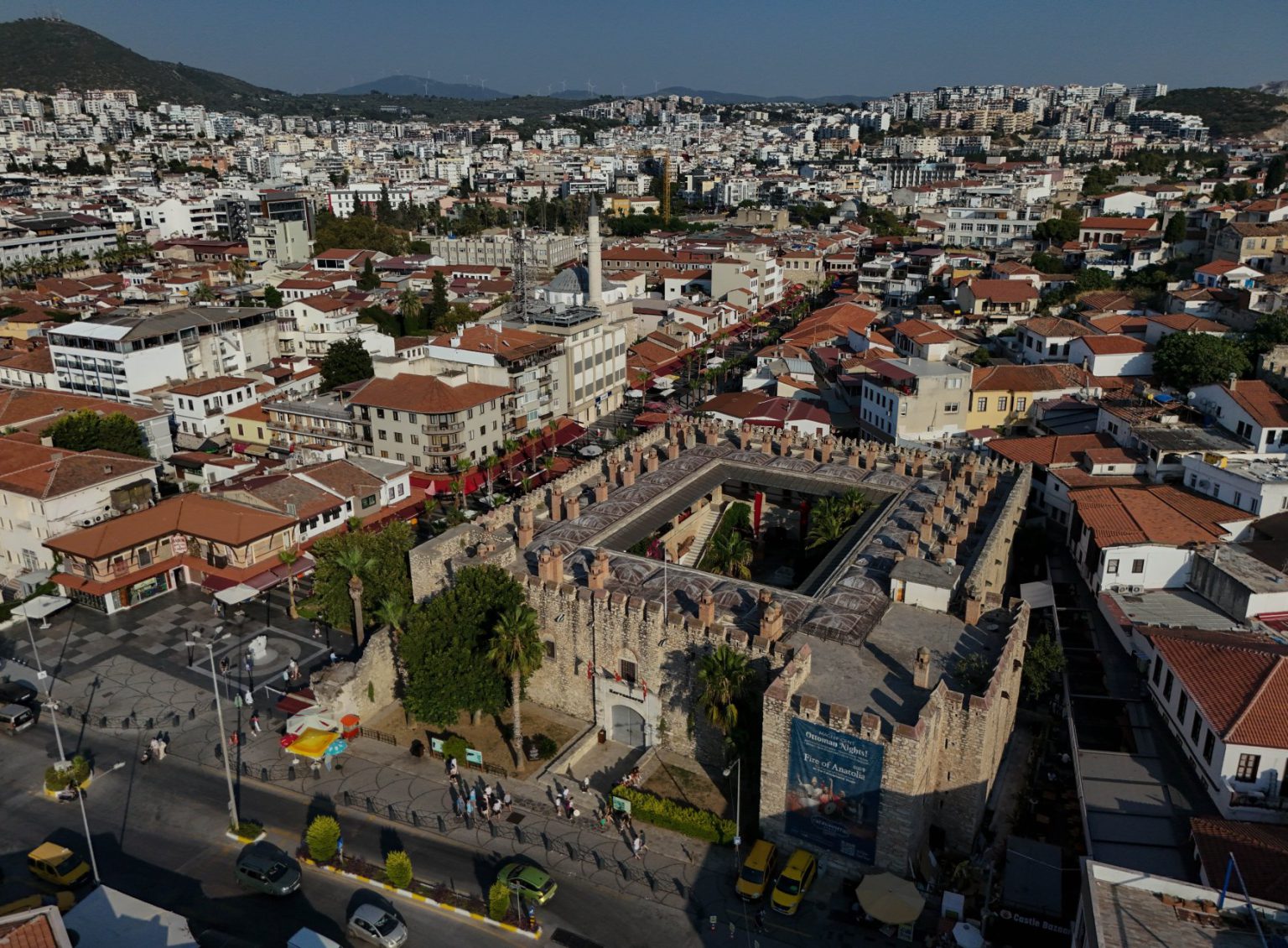 Caravanserais, kervansaray and the legacy of roadside inns along the Silk Road">

On major Silk Road corridors, caravanserais were deliberately spaced at intervals of roughly 20–40 kilometres — the distance a loaded caravan could travel in a day — and designed to supply water, fodder, secure storage and overnight shelter for both merchants and animals.
How caravanserais functioned as transport infrastructure
As purpose-built nodes on pre-modern logistics networks, caravanserais combined warehousing, lodging and protective fortification. Their thick stone walls and single fortified gate reduced theft and banditry risk, while inner courtyards allowed camels and horses to be unloaded, tended and fed. Typical operational features included guarded storage rooms for high-value cargo, separate sleeping quarters for men and livestock, and a small prayer room for religious observance.
Design elements tied to supply-chain needs
Architectural elements reflected pragmatic requirements:
- Court-centered plans for efficient loading and unloading.
- Raised storage platforms to protect goods from damp and pests.
- Thick insulation and vaulted roofs to moderate temperature extremes.
- Stoves and cisterns to supply heat and water during long stops.
Terminology and regional names
The English term caravanserai derives from Persian, while the Turkish term kervansaray (often seen as kervansaray or kervansaray) is commonly used in Anatolia. Regardless of name, their operational logic remained constant across deserts and mountain passes.
Notable examples and their tourism potential
Many caravanserais now serve as striking cultural sites or adaptive reuse projects that draw tourists interested in history and architecture. A few prominent examples:
| Site | Локација | Тачка. | Visitor highlights |
|---|---|---|---|
| Aksaray Caravanserai | Aksaray, central Turkey | Seljuk era | Large courtyard, restored sleeping quarters, Seljuk portal |
| Öküz Mehmet Pasha Caravanserai | Kuşadası, Aegean coast | 17th century Ottoman | Ottoman stonework, seasonal markets, cultural events |
| Çay Kervansaray | Afyonkarahisar region | Historic (various restorations) | Rural setting, atmospheric ruins, interpretive panels |
From trade stops to tourist draws
Where once caravans traded silk and spices, modern visitors seek atmospheric courtyards and local storytelling. Many restored sites host market stalls, museum displays or boutique accommodation, making them ideal stops for travellers who want to connect logistics history with contemporary culture.
Visiting tips for travellers
At a glance, to make the most of a kervansaray visit:
- Plan visits during daylight to appreciate architectural details and courtyards.
- Look for guided tours that explain the logistics role of the site (warehousing, guild rules, caravan timetables).
- Combine visits with local markets to experience the continuity of trade and culture.
- Have a mind to do photography early or late in the day for softer light and fewer crowds.
Caravanserais and modern tourism logistics
Restoration and interpretation of caravanserais connect transport history with tourism infrastructure: parking access, visitor flows, interpretive signage and local guide networks all mirror the operational concerns of historic trade. For tourism planners, these sites offer opportunities to develop themed routes, combining обиласци музеја са водичима уживо, walking circuits and local craft markets.
Highlights include the role these inns played in cultural exchange — a single courtyard could host merchants from several linguistic regions — and the way preserved sites now bridge centuries of culture, commerce and connection. Nothing replaces personal experience: even the best reviews and most honest feedback cannot fully substitute standing in a weathered courtyard and imagining the footsteps of traders. On GetExperience.com, you book experiences from verified providers at reasonable prices; the platform’s secure payments, voucher confirmations and bespoke tour requests make it easy to match your preferences with trusted local operators. This transparency and convenience help you avoid unnecessary expenses or disappointments. Book now GetExperience.com
In summary, caravanserais were essential logistics hubs that shaped long-distance trade and local economies. Today they offer rich travel experiences that combine history, architecture and cultural exchange. Whether you seek авантуристичке активности, куриранe обиласци музеја са водичима уживо, or even themed trips that include Еколошки сафари дивих животиња или ekskluzivni čarteri jahti za događaje along nearby coasts, these sites anchor memorable itineraries. From online virtual tours to luxury adventure travel experiences, and from beginner esports coaching sessions to interactive online cultural workshops, caravanserai visits fit neatly into diverse travel programmes — enriching cruise packages, safari tours, yacht parties and adventure rafting trips for beginners alike. Explore these historic inns to turn logistics history into lasting travel experiences.