


 Српски језик
  English (UK)
  Русский
  বাংলা
বাংলা  العربية
  日本語
日本語  한국어
한국어  Magyar
  Norsk nynorsk
  Türkçe
  עִבְרִית
  Español
  Čeština
  Svenska
  Português
  Ελληνικά
  Suomi
Suomi  Nederlands
  Română
  Italiano
  Français
  Polski
  Українська
  Deutsch
  简体中文
简体中文  Slovenčina
  اردو
اردو  Azərbaycan dili
  O‘zbekcha
  አማርኛ
አማርኛ 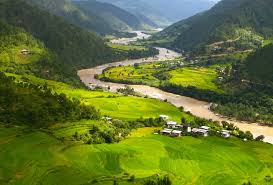 Unveiling Key Obstacles and Reform Paths in Bhutan’s Tourism Landscape">

Tourism in Bhutan: At a Glance
Bhutan’s tourism sector, a major player in the country’s economic fabric, is currently facing several deep-rooted challenges that impede its recovery, competitiveness, and sustainability. Despite tourism’s fundamental importance, structural and governance issues are causing setbacks, from reduced tourist numbers to strains on the hospitality industry. Understanding these challenges is crucial for anyone interested in travel trends, sustainable tourism, and how this Himalayan kingdom is adapting its approach to tourism management.
Core Issues Holding Back Growth
Central to Bhutan’s current difficulties is the reliance on the Sustainable Development Fee (SDF) as the main tool controlling visitor access. While the SDF was designed to protect Bhutan’s unique culture and environment by promoting “high-value, low-volume” tourism, its uniform application has inadvertently reduced appeal among mid-range and regional travelers. This pricing strategy, combined with frequent policy shifts and inconsistent regulation interpretation, has undermined confidence among local tourism operators and international partners alike.
The consequences of this are tangible: decreasing tourist arrivals, shorter stays, and limited dispersal beyond western tourism hubs such as Thimphu and Paro. The central and eastern regions, meanwhile, continue to be left behind due to insufficient infrastructure and service development, restricting broader economic benefits and regional equity.
Governance and Operational Fragmentation
Tourism governance in Bhutan is fragmented, involving various agencies from immigration and aviation to local governments and licensing bodies. This multi-agency setup leads to contradictory regulations, delayed approvals, and a general lack of transparency that hampers swift decision-making and lowers investor confidence. The absence of a unified and empowered tourism authority to oversee coordination poses a significant barrier to effective policy implementation.
Economic Impact on Hospitality and Local Communities
| Sector Indicator | Pre-COVID-19 (2019) | 2024 Status |
|---|---|---|
| Попуњеност хотела | 37.2% | 17.4% |
| Hospitality Employment | Approx. 13,000 staff | Job insecurity, skill outmigration |
| Loan Performance | Стабилно | Increase in Non-Performing Loans (NPLs) |
The hospitality sector’s decline is especially alarming, with hotel occupancy dropping by over half since the pandemic. This downturn threatens livelihoods, triggers financial distress, and risks the erosion of skilled workforce critical for quality visitor experiences. Meanwhile, the economic stimulus expected from border town initiatives like the 24-hour SDF waiver has under-delivered, with most visitors only transiting through these areas.
Challenges in Market Positioning and Services
The liberalization of tourist bookings has introduced complexities as offshore agents dominate much of the value chain, leading to losses in revenue and less foreign exchange retained within Bhutan. Tourist arrivals without pre-arranged services create safety and coordination challenges and undermine Bhutan’s aim to attract high-value travelers and maintain a premium market position.
Adding to the strain is the lack of a cohesive digital system linking visa processing, SDF payment, bookings, and safety monitoring. Disjointed payment gateways and fragmented digital interfaces contribute to financial opacity and reduce smooth service delivery for visitors. Furthermore, airfares remain uncompetitive when compared regionally, driven by a complex, opaque three-tier pricing system that discourages some international travelers.
Diversification and Balanced Regional Development
Tourism activities remain heavily concentrated in western Bhutan. Central and eastern parts of the nation lack adequate tourism infrastructure, limiting opportunities for balanced regional development. While cultural sightseeing and trekking dominate the tourism product, other niches such as wellness, agro-tourism, gastronomy, textiles, and MICE (Meetings, Incentives, Conferences, and Exhibitions) remain largely untapped. Additionally, clear guidelines governing tourism activities involving culture and nature, like paragliding or kayaking, have yet to be formulated.
Proposed Reforms for a Sustainable Future
To overcome these complex issues, the Economic and Finance Committee has proposed comprehensive reforms aimed at revamping Bhutan’s tourism structure and policies:
- A thorough review and amendment of the Tourism Levy Act 2022 to provide clarity on governance roles and pricing mechanisms.
- Flexible SDF policies that allow for long-stay discounts, group rates, and seasonal adjustments, targeting underdeveloped regions.
- Extension of the SDF waiver in border towns from 24 to 72 hours, encouraging overnight stays and local economic benefits.
- Establishment of a unified Tourism Authority with authority over policy, licensing, SDF management, and agency coordination.
- Creation of an integrated one-window digital platform combining visa issuance, SDF processing, booking services, and safety monitoring.
- Rationalization of airfare pricing towards transparent and competitive rates aligned with regional benchmarks.
- Support measures for hotels including soft loans, renovation grants, government-led demand stimulation, and aggressive marketing.
- Development of niche tourism products to engage rural communities and diversify offerings beyond traditional sightseeing and trekking.
- Formulation of comprehensive guidelines regulating culture-and nature-based tourism activities.
Key Takeaways and the Way Forward
The tourism sector remains a crucial source of foreign exchange, employment, cultural preservation, and regional balance in Bhutan. However, recent reforms have yielded mixed outcomes, sometimes with unintended drawbacks. What stands out is the urgent need for a coherent, consistent, and transparent tourism framework supported by strong institutional leadership and modern infrastructure to boost confidence among stakeholders and travelers alike.
While reports and assessments can provide valuable insights, nothing can replace the firsthand experience of visiting and exploring the unique landscapes and cultures Bhutan offers. Platforms like GetExperience.com empower travelers with verified providers, competitive prices, and the convenience of secure, full payment online with voucher confirmation. From tailored tours to unique cultural immersions, GetExperience assists travelers in making informed decisions, avoiding pitfalls, and enjoying a broad range of adventure and cultural travel experiences.
Book the best adventures and expert-guided excursions with GetExperience.com to unlock authentic journeys in Bhutan and beyond.
Сажетак
Bhutan’s tourism sector currently grapples with policy rigidity, fragmented governance, and market positioning issues that have led to declining arrivals and financial distress in hospitality. Concentration of tourism in western regions exacerbates regional disparities, while opportunities in niche sectors are largely unused. The push for reform targets flexible pricing, consolidated leadership, digital innovations, and product diversification aimed at sustainable and equitable growth. For travelers and tourism professionals, these developments underscore the importance of carefully planned travel experiences, from adventure activities to cultural workshops, all of which can be explored and booked conveniently through trusted platforms like GetExperience.com.