


 Српски језик
  English (UK)
  Русский
  বাংলা
বাংলা  العربية
  日本語
日本語  한국어
한국어  Magyar
  Norsk nynorsk
  Türkçe
  עִבְרִית
  Español
  Čeština
  Svenska
  Português
  Ελληνικά
  Suomi
Suomi  Nederlands
  Română
  Italiano
  Français
  Polski
  Українська
  Deutsch
  简体中文
简体中文  Slovenčina
  اردو
اردو  Azərbaycan dili
  O‘zbekcha
  አማርኛ
አማርኛ 
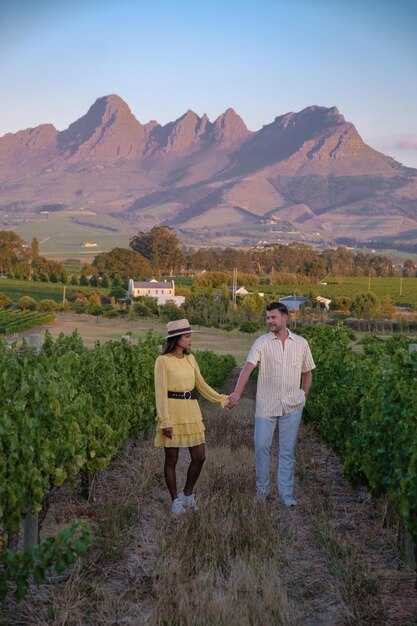
Plan a focused Napa trip with a 2–3 day lodging base, then map a rewarding tasting route with comfortable breaks for meals. Choose lodging in central areas like downtown Napa or Yountville to minimize driving and maximize time in the valley. Reserve tastings well in advance, especially on weekends, and align check-in times with winery hours so you can settle in without rushing. For first-timers, a relaxed pace helps you savor the landscape and the wines without wearing out your schedule.
Top wineries to consider include Domaine Carneros for sparkling wines, Castello di Amorosa for castle vibes, Robert Mondavi for classic Napa, and Stags Leap for elegant reds. Tasting fees typically range from $25 to $60, with many estates offering cheese and charcuterie pairings that elevate the experience. Plan visits mid-morning or mid-afternoon to avoid the heaviest crowds, and allocate 90–120 minutes per stop to enjoy the setting, the pours, and the views of vineyards and hedged gardens. If you crave a lunch break, Oxbow Public Market in Napa and Oakville Grocery provide quick, quality options in walking distance of several estates.
Best times to go are spring and fall, when the weather is comfortable and the vineyard activity is lively but not overwhelming. Weekdays are noticeably quieter than weekends, making it easier to reserve tastings and stroll without rush. Napa Valley is roughly 60 miles north of San Francisco, and traffic can double the drive on holiday mornings, so plan accordingly. If you plan a wine-and-dine swap, add a stay near the riverfront to access casual eateries and sunset views.
To optimize your schedule, book a structured tasting plan with two or three wineries per day and use a central hub as a base for evenings. If you prefer guided options, several operator-led tours provide transport between vineyards and a curated lunch stop, ensuring you don’t worry about parking or driving. For accommodations, look for properties with easy street access, on-site parking, and flexible check-in windows, which help you settle in following long flights.
Starter picks to explore: Domaine Carneros, Castello di Amorosa, Robert Mondavi, and a sunset tasting at a vineyard with mountain vistas. Add a wine-and-cheese pairing at a family-run estate for a regional taste, then finish with a casual dinner in Yountville or Napa. With a practical plan, you’ll enjoy several vineyards, friendly staff, and memorable views without cramming in every estate. Use mobile tickets when possible, and keep a simple written list of preferences so you can adjust on the fly as you hear about new releases.
Napa Valley Travel Guide: Practical Tips for Harvest Season
Make tastings reservations four weeks ahead; during harvest, opened slots fill fast, so youre guaranteed time if you plan ahead and coordinate with host wineries.
For transportation, hire a driver or use a small tour shuttle to minimize driving between vineyards; at night the streets can get busy, so reserve parking spaces in advance and confirm pick-up times after tastings.
Explore culinary experiences that pair harvest flavors with regional wines; many estates offer seasonal menus, farm-to-table dinners, and olive oil tastings. youre sure to enjoy these events as you connect the flavors with the terroir, and you can utilize menu notes to learn which ingredients shine with each glass.
Families visiting the valley can pace their day to include kid-friendly breaks; many wineries welcome guests of all ages and provide common lawns, shaded spots, and views from hillside decks. If youre traveling with kids, plan a few stops with easy walking between venues and a late-afternoon picnic away from the busiest tasting rooms.
Seasons drive the rhythm: harvest runs from late August through October. Plan around those dates and expect daytime highs around 75–85 F with cooler nights in the 50s–60s F. Pack layers for sun and brisk evenings, and note that openings often shift with the picking schedule–check daily tastings and weather to stay comfortable.
Hotels cluster near Napa proper and Yountville; book well in advance for weekend stays. Some properties offer free shuttle routes, so know which stops align with your plan. Shop for local products after tastings–olive oil, jams, and small-batch wines–then complete your loop around the valley to maximize views without overdoing the driving.
Must-Do Experiences in Napa Valley
Make reservations for a hillside winery tasting at dawn or golden hour to enjoy views that photograph beautifully.
Let a wise sommelier guide recommendations; if youre visiting, youre enjoying a tailored flight that matches your palate, or else join a sensory lunch to learn how terroir shapes each glass.
Pop into bars along downtown Napa for casual tastings, and order a martini or local cocktail while you chat with locals and share photos.
Families can explore kid-friendly patios, join grape-juice tastings, and shop for local olive oil, chocolates, and snacks; many places offering hands-on tours and bites that kids and adults alike have fun with.
Beforehand, plan a stay at a central base like a marriott property, and drop off your luggage before stepping into tasting rooms; the team can arrange private tours, and you can thank the staff for their hospitality while you learn about fermentation, terroir, and the grapes that make this region unique. What the guides learned from generations of winemaking enriches each tasting. You shouldnt miss the optional pairing flights that deepen the flavors.
Top Wineries by Region
Visit Domaine Carneros in Carneros for a stunning sparkling opener; reservations are essential, and a driver helps you maximize time on the route. This experience sets a refined tone for your day, with panoramic terrace views and guided flights that showcase the estate’s methode champenoise style. Plan to arrive early and book a table for the best sunset backdrop.
Carneros – In this cool-climate corner, Domaine Carneros and Artesa Winery anchor the day. Reservations ensure you’ll secure prime seating and attentive service. Domaine Carneros delivers elegant sparklers and a terrace with vineyard panoramas; Artesa blends artful architecture with a strong lineup of Pinots and Chardonnays. For a smooth loop, utilize a driver and keep the pace flexible; theres room to linger at each stop and soak in the scenery.
West Napa – In west Napa, Stags Leap District yields Cabernet with fine structure. Stag’s Leap Wine Cellars offers a signature pour that pairs with a short cellar tour; reservations are wise on weekends. The setting is stunning and intimate, making it ideal for exploring at a relaxed tempo; youll leave with a clear sense of how site, soil, and climate shape wine. A quick drive to nearby Rutherford expands your day with more options.
Rutherford – Caymus Vineyards delivers bold Cabernet Sauvignons and a hospitality-forward tasting; reserve a session that includes a flight with light bites. Beaulieu Vineyard (BV) anchors Rutherford with historic cellars and curated flights. The gravelly soils here yield wines with noticeable depth, so plan a longer visit to compare multiple producers within a short drive.
Oakville – Opus One offers a luxury tasting experience that many travelers mark as a must; reserve a private flight to access the estate’s library wines. Mondavi Winery sits in Oakville too, delivering accessible tastings and guided tours that appeal to everyone. Mix a high-end stop with Mondavi’s more relaxed option to experience Napa’s breadth in one day; a driver keeps the schedule comfortable.
Calistoga – Castello di Amorosa enchants with its castle-like setting and structured tastings; allocate extra time for photos and a castle tour. Schramsberg Vineyards delivers historic sparkling flights and cave visits; reservations help you lock in prime times. This northern edge of Napa offers a different pace and dramatic scenery, making it perfect for a leisurely afternoon.
This route isn’t disneyland; it’s real Napa wine country, with driver-friendly planning and a guide you can trust. Everyone can find something to love here, from first-time visitors to seasoned explorers. As you map your day, start with a couple of anchor stops, then expand if you have time–heres a tip to keep it moving: utilize reservations, youll be able to visit more places, and there are endless options to enjoy, so youll return with plenty of memories.
Harvest-Season Tasting: Scheduling, Fees, and Crowds
Book weekday mornings 2-4 weeks ahead to secure spots during peak harvest. Arrive early to beat the crowds and capture better photos, then pace your day with concise, short tastings that fit your itinerary.
Scheduling matters: use winery calendars online, or call ahead to confirm slot availability and any flight options. If you plan a tight day, pair two short tastings with a single flight to keep a steady pace. This approach helps you stay above the line of traffic and makes it easy to adjust if a festival pops up–you can rework routes in real time without losing momentum. prévu lanes and well-planned routes help everyone stay on track.
Fees vary by tier: basic tastings range from $25-$40, mid-tier flights run $40-$60, and premium flights can be $70-$150. Many venues waive the fee with a minimum purchase or club membership, while others include a complimentary tasting if you book a full experience higher in the day. Always check if the fee covers the flight, or if it’s separate plus a note about what’s included.
Crowds shift by day and festival timing. Saturdays and Sundays draw the largest crowds; weekdays are noticeably quieter, especially during mornings. If you encounter peak crowds, opt for smaller, less-trafficked lanes or reserve a private or semi-private slot to reduce wait times. Festivals can push wait times into the 20-40 minute range, so plan around them and consider a late-afternoon sequence if possible.
Practical tips: bring a compact camera for quick photos, wear comfortable shoes, and book a plan that fits a daily rhythm rather than rushing. If you stay in hotels downtown, you can combine a morning tasting with a midday stroll along the valley lanes. Some tastings run as short experiences, others as longer flights–adjust your schedule for this. This strategy keeps you engaged, avoids burnout, and makes the most of your harvest-season adventures.источник
Ellman wines are often featured in compact flight options, which can be a convenient anchor for a tight schedule. If you want a lighter day, aim for a pair of short tastings plus a single flight, and save longer experiences for a later visit.
Daily planning matters: map your route, confirm parking, and leave room for spontaneous photo stops or a quick lunch. If a festival adds crowds, switch to a different cluster of wineries with shorter lines; this keeps everyone happy and more time for the tasting experience.
| Аспект | Препорука |
|---|---|
| Small family winery | Reserve 2-3 weeks ahead; morning slots preferred; typical fee $25-$40 |
| Mid-size estate | Book 3-4 weeks out; flight options available; typical fee $40-$60 |
| Premium estate | Reserve 4-6 weeks ahead; flights may be bundled; typical fee $70-$150 |
| Organic boutique | 2 weeks ahead; may offer free tastings with bottle purchase; typical fee $30-$50 |
Getting Around and Where to Stay: Transportation & Lodging
Start by booking a designated driver for winery days to keep your group safe and relaxed. This approach lets you enjoy the views and tastings without worrying about parking, directions, or night routes.
For self-drive fans, map out routes in advance: pick two or three winery stops, with a drop at a known point near your hotel or a designated place. From your hotel to each winery, plan 20–40 minutes between stops, depending on traffic and the time of day. If you prefer, youll set a flexible pace and avoid rushing, while traffic can be worse on weekends.
Lodging options range from family-friendly hotels to cozy inns and vineyard cottages. North of downtown Napa, accommodations span the county, with families in mind. Many properties offer shuttle services, featuring complimentary breakfasts and easy access to tasting rooms.
Here are practical tips for staying connected: keep a single itinerary in your phone, and share it with your driver or front desk; thats why sharing information helps reduce miscommunications.
Arrangements: consolidate bookings in one place, confirm driver arrangements, and share the plan with your driver or hotel desk. If you travel with children, ask about kid-friendly amenities or quiet rooms to make nights easier.
First time visitors should check winery hours and when last tastings are offered; planning ahead saves time. Night plans can include a later tasting or a stroll after sunset, and many wineries host events that appear on local calendars. night
Do’s and Don’ts for Napa Harvest Travel
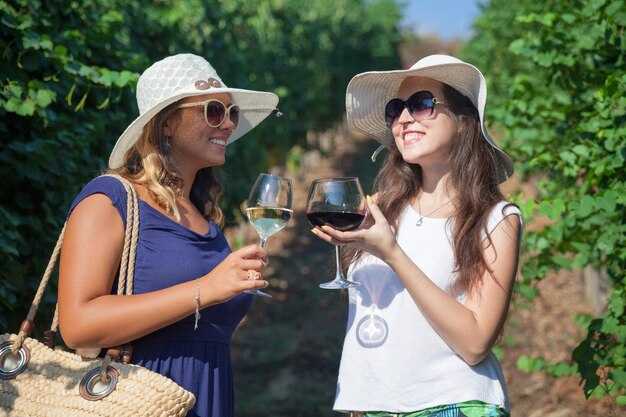
Book winery tours in advance to secure preferred times. Harvest crowds fill tasting rooms quickly, so plan around early mornings and late afternoons to maximize available slots. Some venues are already booked on weekends, so your timing matters.
Here are practical steps you can act on today for a smoother day among the vines.
Do’s
- Read tasting menus and winery notes ahead to tailor your day and highlight featuring your preferred styles.
- Trust staff recommendations to discover overlooked options and hidden gems.
- Share your plan with guests and visitors in your group to coordinate pacing and rides.
- When you come, arrive early to check in and secure first slots, especially on weekends.
- Open a map and checking parking near rooms and tasting rooms; plan a practical route.
- Check open hours and available tours; suggested times are strongest for first tastings.
- Remember to avoid forgetting your ID and credit card; bring both and keep them handy for quick check-ins.
- Keep an eye on road conditions; mountain routes can be changed by weather.
- Explore bars and open-air tasting options at venues featuring small-batch wines to diversify the day.
Don’ts
- donts: overbook or rush between venues; you lose the tasting experience and miss the scenery.
- donts: rely on walk-up slots; many rooms have limited capacity even in peak harvest.
- donts: forget reservations or checking in; theres a high chance you’ll find a wait or no space.
- donts: skip hydration; carry water during long tasting days.
- donts: ignore safety guidelines; arrange a designated driver if you plan to sample extensively.
- donts: neglect to read posted hours; some venues modify schedules during harvest.