


 Српски језик
  English (UK)
  Русский
  বাংলা
বাংলা  العربية
  日本語
日本語  한국어
한국어  Magyar
  Norsk nynorsk
  Türkçe
  עִבְרִית
  Español
  Čeština
  Svenska
  Português
  Ελληνικά
  Suomi
Suomi  Nederlands
  Română
  Italiano
  Français
  Polski
  Українська
  Deutsch
  简体中文
简体中文  Slovenčina
  اردو
اردو  Azərbaycan dili
  O‘zbekcha
  አማርኛ
አማርኛ 
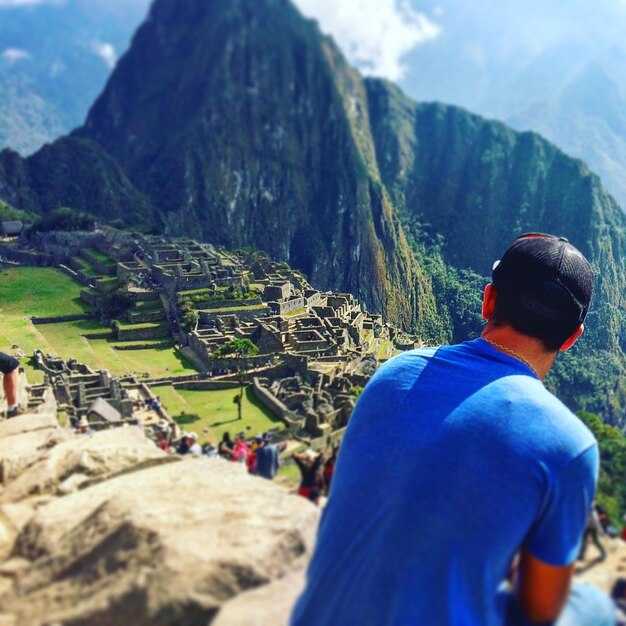
Book your Machu Picchu entry for july and reserve the Ollantaytambo–Aguas Calientes leg now to save time and money.
Base your stay in Cusco or Ollantaytambo to cut lodging costs, with hostels typically at $12–25 per night and clean doubles around $25–40 in shoulder season. Take a morning train from Ollantaytambo rather than the more expensive direct routes; standard-class rides usually run $60–90 one-way, with higher-season surcharges in july. Use a shared taxi or a stop near the station to keep transfers lean, and plan your day to avoid peak crowds. Locals talk about the best stops and share tips to stay on budget.
From the citadel, you can traverse the surrounding valley for impressive heights beyond the ruins. Plan a compact day that also visits moray and the Maras salt ponds; you’ll gain details about Inca engineering and keep the budget in check. Local rides between stops help keep costs predictable, and a wayra breeze can offer a quick cooling break on exposed sections. A mid-morning stop lets you pace yourself while maximizing photo opportunities.
Choose a community-backed guide from a cooperative to get authentic details and a fair price. This gives you real context and helps the local economy. The terraces called steps on the hillside reveal how farmers used microclimates; avoid sellers who sell overpriced tours and ask for a clear breakdown of costs before you book. If trouble arises, a local guide can point to safe routes and support transportation options back to the station. This approach is giving and transparent, improving your experience while supporting residents.
july weather invites long daylight; wear layers and bring water; the main route is well maintained but some sections are covered with loose stones, requiring careful footing. Pack a compact rain shell, sunscreen, and a hat; you’ll be able to manage altitude and crowds with a light backpack. If you plan to visit Huayna Picchu or Machu Picchu Mountain, book permits well in advance; for a cheaper option, stay on the main path and enjoy the less-visited overlooks along the climb to avoid extra costs.
Finish with a plan to base one more night in Aguas Calientes or Cusco before the return by train; from Ollantaytambo you can ride back toward the valley, and you’ll find quiet stops to talk with locals; a well-timed stop lets you catch a sunset over the valley. In sum, a budget-friendly route combines early booking, community guides, and selective side trips like moray to create a smooth, memorable traverse of Machu Picchu.
Machu Picchu on a Budget: The Budget Traveller’s Guide
Stay in Cusco to save money. A budget hotel or hostel near the main square is practical, with private rooms often under 40 USD and beds from 10-15 USD. Youre never far from trains, buses, or grocery stalls, which keeps daily costs down. This plan is highly affordable. Be prepared for early starts at Machu Picchu; the stunning citadel rewards the eager with calmer paths and better light. Afterward, stroll lovely streets, watch llamas wander near terraces, and enjoy a calm return to your hotel. For the best rate, book Machu Picchu entry online and skip add-ons. Enjoying the whole experience, you can carry snacks and water to avoid pricey buys on site.
Structure your days to stay within a tight budget. Take the cheapest route to the site by train from Ollantaytambo or Poroy to Aguas Calientes, then a short bus up to the main gate. From the citadel, you’ll see highlights across terraces and a visible stone layer along the hillside, with steep climbing paths that reward patient climbers. If you want a quick itinerary, visit Maras salineras for a half-day and return to Cusco in the evening. The whole outing is manageable in 3–4 days, and you never exhaust your funds if you keep meals in markets and carry water and snacks.
| Ставка | Days | Est. Cost | Белешке |
|---|---|---|---|
| Смештај | Whole trip | 25-40 USD/night | Budget hotel or hostel in Cusco |
| Transport | 2 дана | 60-80 USD | Ollantaytambo to Aguas Calientes train and local buses |
| Machu Picchu Ticket | 1 дан | 60-70 USD | Стандардна улазница |
| Food & Snacks | Whole days | 8-15 USD/day | Markets and local stalls |
| Додаци | – | 10-20 USD | Water, tips, small supplies |
With this approach, youre enjoying a balanced trip where the budget stays friendly across whole days, from the lovely streets of Cusco to the stunning site above the valley. Afterward, you can add a light day trip to nearby sights or simply rest and plan another classic outing in the region.
Day 3 – Machu Picchu
Take an early departure from citys like Cusco to ride the hydroelectric route; a bus to the Hydroelectrica plant takes about 4 hours, then a 1.5–2 hour walk along the railroad to Aguas Calientes, giving you a cheap start and extra time inside Machu Picchu. Pack snacks and a refillable bottle; the town offers limited options until you reach the main site. If you arrive by airport, expect higher costs and longer transfers, so this ground option remains budget-friendly.
Enter the main gate before 9 am to beat crowds; the complex sits on elevated ground with towers and heights that showcase amazing, towering stonework. If you chase add-on hikes, head to the trailhead for Huayna Picchu or Machu Picchu Mountain; these require an extra permit, and going online in advance helps ensure space. There, you’ll feel the edge of the citadel as you overlook the valley below.
Somehow, after the climb, celebrate with traditional cuisine from local stalls in Aguas Calientes; look for potatoes, quinoa dishes, soups, and grilled meats that keep costs down while giving authentic flavor. They offer quick, satisfying lunches at a fraction of hotel meals, helping you stay on budget.
Going back to Cusco, choose the return by train or a budget option along the Hydroelectric route; the late trains run roughly 4–6 hours after exit, leaving you time to browse the market there before your next city stay.
Choose the cheapest Day 3 ticket options and how to book
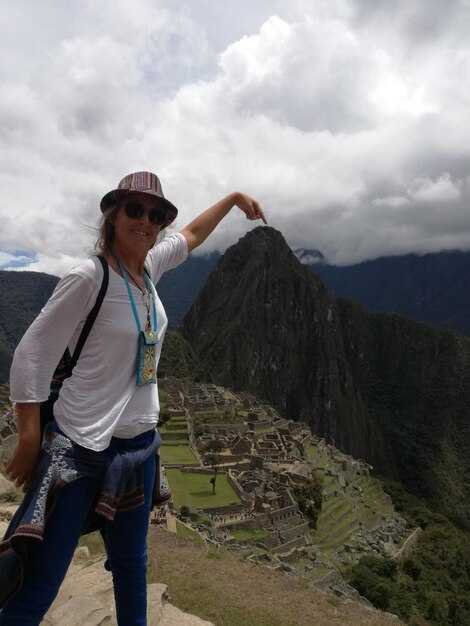
Choose the General Machu Picchu Site Entrance for Day 3; it’s the least expensive way to access the perched citadel. Book online on the official ticketing platform, select Day 3, and lock in access to the main ruins for the empire’s story without extra charges. If you’re traveling with friends, this option keeps costs down for everyone while fueling your mind with exploring scenes you’ll remember long after you went home.
Cheapest Day 3 options include: a) General Admission – Citadel only (the least expensive). b) General Admission with optional add-ons that you can skip on Day 3 to stay within budget. If you want huayna Picchu, that add-on is pricier and usually requires a separate slot. For trips that stay within budget, pair Day 3 with a short walk through orchards near the train line or a quick visit to a cave to fill the day without overspending.
How to book: Next, check Day 3 availability on the official platform, then choose General Admission – Citadel. Enter the number of travelers, ages, and apply any eligible student or senior discounts; complete payment with a card, and you’ll receive a confirmation code. Save or print the ticket and carry the digital version. Plan to arrive early; from Aguas Calientes you can take buses up to the citadel or walk if you enjoy hours of uphill routes. The ticket is located at the gate, so have the QR code ready.
Mindful budget tips: Start the day early to avoid crowds; coming from Cusco or along the hydroelectric line can save on transport costs. Luckily, the cheapest Day 3 option usually has plenty of availability if booked a few weeks ahead. If you’re traveling with friends, you can give tips and share costs, and you’ll spend less overall on the main experience. Keep in mind insurance and health considerations, and enjoy delicious snacks outside the site to avoid overpriced options. If weather shifts, there’s no need for colpa; adjust your trips and focus on the place you want to explore, and you can still have a memorable day with everyone in your group.
Budget-friendly travel to Machu Picchu: cheapest routes to Aguas Calientes
Start with the Hydroelectric route from cusco: take a public bus to Hidroeléctrica for about 15–25 USD, then hike 6 miles along the railway to Aguas Calientes in 2–3 hours. This option delivers excellent value and lets you experience the andes with lofty heights around picchu. You can also grab a quick coffee or a snack at stalls along the way, and the route is built on a historic rail line that once served local communities, so the experience feels authentic and affordable.
For a faster option that still keeps price reasonable, combine a short bus ride from cusco to Ollantaytambo (about 5–10 USD) with a train to Aguas Calientes (roughly 60–90 USD one-way). The total price depends on the train type and discounts; this route covers the Sacred Valley’s highlights and climbs toward the historic mountains that frame the site. If you want greater comfort, you can choose a slightly pricier train, but you will still notice meaningful savings over the most expensive services. These two routes offer different experiences.
Over the years, budget-conscious travellers have used these routes to reach picchu without breaking the bank. The Hydroelectric path is especially popular with those who enjoy a long walk, traditional snacks, and a quick coffee break along the way; those who decided to skip long commutes often prefer the Ollantaytambo option for its smoother elevation profile. The staff at stations can also help you locate the best value tickets.
- Hydroelectric route (lowest price): Cusco to Hidroeléctrica by public bus (~$15–$25), then a 6-mile walk along the rail to Aguas Calientes (~2–3 hours). Good for those who want a hands-on day and to see the Andes up close. Excellent value, especially for those who want to keep price low.
- Ollantaytambo Sacred Valley route: Cusco to Ollantaytambo by bus (~$5–$10), then train to Aguas Calientes (~$60–$90 one-way). Total typically ~$70–$100. This route minimizes hiking, keeps elevation changes manageable, and offers scenic highlights of the Andes as you ride the rails through the historic towns.
Tips to maximize savings
- Buy train tickets in advance when possible; prices rise closer to departure and different seat classes affect the price you pay.
- Pack lightweight snacks and a small, refillable bottle of water; traditional snacks from local markets save money, and coffee helps you stay energized for the day.
- Check weather and plan for elevation changes; the hike from Hidroeléctrica adds miles of walking but rewards you with great viewpoints of the surrounding heights.
- Arrive early to Aguas Calientes if you want to climb to Machu Picchu before the day-trippers arrive; early visits are excellent for photos at the site’s historic corners.
- Also, keep an eye on your luggage and valuables in crowded stations; staff are helpful, but tourist crowds can be intense during peak season.
DIY vs guided exploration on Day 3: cost comparison and tips
Go with a guided exploration on Day 3 for most travellers; you will see more, avoid timing pitfalls at the entrance, and gain context from guides who know the best routes between areas and the most breathtaking viewpoints.
DIY costs stay transparent, but they add up: Machu Picchu Archaeological Zone entrance around 70 USD, round‑trip bus from Aguas Calientes about 12–24 USD, plus a train from Cusco to Aguas Calientes if you’re staying in the city (economy options typically 60–100 USD each way). Snacks at the site run 5–10 USD; a budget lodge in Aguas Calientes or simple lodging near the town can be 20–60 USD per night. Today, a solo, DIY day from Cusco without a guide can reach roughly 150–300 USD depending on transport choices and meals, with lodging if you stay over.
Guided group tours typically include the guide, entrance, and transport from your hotel to Aguas Calientes, and they also include a light lunch or snacks in many operators’ packages. Expect 70–120 USD per person for a full-day program; you gain a structured route, timely seeing, and less time spent in lines. For more flexibility or tailored pacing, a private guide runs around 150–250 USD, with additional stops to see the best views and learn about the Incas and the site layout. In both cases, you’ll be prepared to see the highest vantage points and break for photos along walls and breathtaking corners.
Tips to optimize Day 3 on a budget: join groups whenever possible to reduce per‑person costs; book entrance slots online early and pick a time that reduces crowds; for DIY, carry your own snacks to avoid overpriced vendors, and use lodges or hostels near the route to cut transit time. Today, bring a compact daypack, water, sun protection, and a light rain shell–be prepared for clouds rolling in at higher ridges. See the roads leading to the entrance and watch for alpacas along the way, as you pause for seeing next segments of the site; break the day into short blocks to explore walls and sacred areas with clear angles.
Smart timing for sunrise and entry: avoiding crowds on a budget

Book the earliest entry slot (6:00 a.m.) and head to the main plaza as dawn breaks to beat crowds while keeping costs down. Official timing provides two daily windows: 6:00–12:00 and 12:00–17:00, so choosing the morning window yields the best light and the fewest visitors.
For budget travelers, overnight in Aguas Calientes and ride the first bus up (around 5:30–5:40). If you’re staying in Ollantaytambo, ask a local driver to drop you at the park entrance early; the ride can shave hours off lines and avoid mid-morning traffic, with the bus that stopped briefly at the gate.
Корак 1: secure a timed-entry ticket online from the official извор and save the QR code on your phone. This keeps your plan on track and avoids the cost of urgent on-site changes.
Корак 2: take the first ascent to the Belvedere via the lower terraces (andenes) or walk toward llactapata viewpoints to catch sunrise without the bulk of the groups. The walking path is gentle and offers views of mountains that tower over the citadel.
Корак 3: pace yourself: hydrate with pedialyte, carry a small snack, and wear a compact jacket for chilly dawn. A calm pace helps you savor the wonder without rushing, especially for first-time visitors.
During the wait before opening, observe the truth that crowd levels drop after the early rush; experienced travellers learned that arriving before 7:15 a.m. or staying for the late afternoon window reduces congestion. The driver can also loop back the same way after the main plaza to keep costs down and avoid bottlenecks.
Keep a few flexible breaks: if a vendor stops near distant terraces, try a quick taste of borreguitos or other local snacks to keep energy up without derailing your plan. Always respect the environment and stick to marked paths to protect the towers and terraces.