


 Српски језик
  English (UK)
  Русский
  বাংলা
বাংলা  العربية
  日本語
日本語  한국어
한국어  Magyar
  Norsk nynorsk
  Türkçe
  עִבְרִית
  Español
  Čeština
  Svenska
  Português
  Ελληνικά
  Suomi
Suomi  Nederlands
  Română
  Italiano
  Français
  Polski
  Українська
  Deutsch
  简体中文
简体中文  Slovenčina
  اردو
اردو  Azərbaycan dili
  O‘zbekcha
  አማርኛ
አማርኛ 
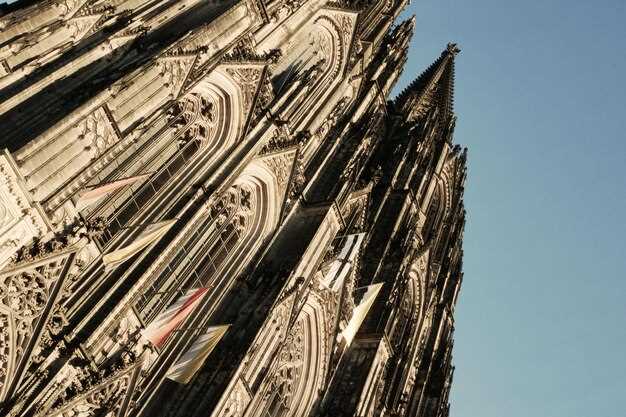
То La Sagrada Família, designed by the renowned architect Антони Гауди, stands as a testament to the enduring spirit of architectural innovation. Over the past century, this iconic basilica in Barcelona has attracted visitors from around the world, and it is expected that the completion of this architectural marvel will finally be realized by 2026. This year marks the centenary of Gaudí’s death, and completion is anticipated to bring a sense of closure to the long history of this complex project.
For decades, La Sagrada Família has been a subject of fascination, often captivating those who visit with its stunning facades and intricate geometric designs. The towering spires, resembling gothic dreams, reach skyward as if in a quest for divine glory. While scaffolding still surrounds many of its grand колоне и замршени windows, the leadership behind this effort has been steadfast in their commitment to undertake and reshape the construction process, despite several delays due to funding and civil factors.
As the city continues to grow, the basilica has been a profound part of Barcelona’s architectural landscape, with its final phase of development officially underway. Architects and construction teams work diligently, confirming that the завршетак of La Sagrada Família is not just a milestone for the city but a significant mark in the history of architectural achievement. Like a modern гробница that presides over the life and work of Gaudí, this structure symbolizes the merging of devotion and creativity, promising to stand tall in the hearts of generations to come.
La Sagrada Familia in Spain: Completion Expected by 2026 – A Marvel of Architecture
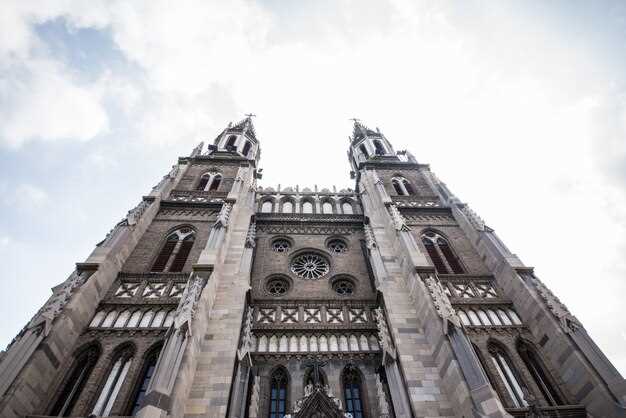
The Sagrada Familia, designed by the renowned architect Antoni Gaudí, has become one of the most iconic symbols of Barcelona and a significant point of interest for visitors worldwide. Construction commenced in 1882, and over the decades, it has evolved into a complex project that combines intricate designs and advanced architectural techniques. The completion of this basilica is now expected by 2026, marking a century since Gaudí’s death.
Gaudí’s unique vision combines geometric forms and natural motifs, which preside over the magnificent construction. The basilica features three grand facades, each telling a distinct story from the life of Jesus. This multi-faceted design showcases his innovative approach, which remains unmatched in the world of architecture.
- The Nativity Facade
- The Passion Facade
- The Glory Facade
During its construction, the project has faced numerous challenges, such as funding issues and the effects of the pandemic. However, the leadership behind the project has always remained steadfast, seeking to finish the basilica without compromising its artistic integrity. This commitment has helped maintain momentum, even during the most difficult times.
As of now, the towers are among the most remarkable aspects of the Sagrada Familia. With completion expected in 2026, the central tower would stand at 172.5 meters, making it the tallest church tower in the world. This ambitious undertaking is a testament to the technical skills of today’s architects, who continue the legacy of Gaudí while implementing modern techniques.
The stained glass windows within the basilica add to the architectural marvel that is the Sagrada Familia. These windows are designed to allow vibrant light to flood the interior, creating an ethereal atmosphere that enhances the spiritual experience. Each window features intricate patterns that reflect the natural world, further emphasizing Gaudí’s philosophy that architecture should mimic life.
Ultimately, the Sagrada Familia is more than just a building; it is a testament to human creativity and perseverance. The journey to complete this architectural wonder is a reflection of the collective efforts of many individuals and organizations who have invested their life and resources into this project. As it approaches the centenary of Gaudí’s death, the basilica stands as a symbol of both completion and continuing legacy, reminding us of what can be achieved through dedication and vision.
Architecture Overview
La Sagrada Família, designed by the renowned architect Antoni Gaudí, represents a significant milestone in Spanish architecture. Its construction began in 1882 and has been an ongoing journey over the decades. The basilica is known for its intricate facades, which serve as narrative elements portraying the life of Christ.
One of the most notable aspects of La Sagrada Família is its five distinct towers, each dedicated to a key figure from Christian theology. During its construction, architects have undertaken various phases, focusing on details that often reflect Gaudí’s vision. These towers would reach heights that symbolize the connection between Earth and the divine.
The nativity facade, completed before Gaudí’s death in 1926, showcases a blend of Gothic and Art Nouveau styles. This facade has become a major source of inspiration for architects worldwide, who admire the way it integrates natural forms with religious symbolism. Its creative use of light through stained glass windows adds an ethereal quality to the space, marking it as one of the most extraordinary chapels in the world.
Delays in funding and construction have periodically impacted the project. However, the leadership of modern architects has revitalized efforts, and significant progress has been made in recent years. The final completion is expected in 2026, coinciding with the centenary of Gaudí’s death.
| Architectural Feature | Опис |
|---|---|
| Towers | Five towers dedicated to key Christian figures, symbolizing the connection to the divine. |
| Facades | Intricate designs that narrate the life of Christ, integrating Gothic and Art Nouveau styles. |
| Windows | Stained glass windows that enhance light and color within the basilica. |
| Nature Inspirations | Designs that mimic natural forms and structures, reflecting Gaudí’s love for the environment. |
The journey of La Sagrada Família is emblematic of the creative spirit that exists in architectural endeavors. Over the years, it has become a testament to Spain’s innovative capabilities and its ability to endure through civil challenges. The structure itself is not just a building; it is a place of worship and a significant part of Barcelona’s identity.
As the project progresses towards its completion, it is seen as a potential landmark in modern architecture, showcasing how historical styles can be reinterpreted through contemporary techniques. The final structure could officially preside as a major spiritual and artistic hub, attracting millions of visitors each year.
In conclusion, La Sagrada Família embodies a unique synthesis of artistic expression and technical achievement. The combination of Gaudí’s visionary approach and the dedication of subsequent architects reflects in every element of the basilica, ensuring that it remains, for many, a lasting symbol of faith and creativity in Spain.
What Makes GaudÍ’s Design Unique?
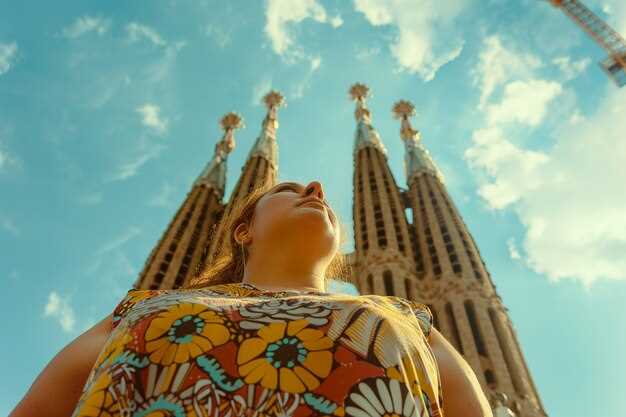
Antoni Gaudí’s design for La Sagrada Família is renowned for its captivating complexity and innovative approach to architecture. Unlike traditional basilicas, Gaudí opted for a structure that incorporates intricate geometric shapes and forms, allowing for a creative interplay of light and shadow within the space. This fascination with natural elements and organic forms led to the development of structures resembling tall columns inspired by trees, which effectively reshape the interior experience. Each chapel and facade reflects a narrative, deeply rooted in Gaudí’s vision of integrating faith, life, and nature.
The project, which has been underway for nearly a century, has faced numerous challenges, including technical difficulties and the need for substantial funds. Expected to be completed in 2026, coinciding with the centenary of Gaudí’s death, this ambitious endeavor has been reshaped by the pandemic’s impact on funding and construction schedules. Scaffolding still surrounds the tall towers, but the dedication to overcoming obstacles remains steadfast, ensuring that each stage of development aligns with Gaudí’s original intentions. His ability to seamlessly blend forms has not only made La Sagrada Família a famous landmark but also a key pilgrimage site for visitors eager to experience this architectural marvel.
The design itself stands as a testament to the visionary mind of Gaudí, whose projects have always aimed to reach new heights. The ongoing work on the towers is particularly significant; they are intended to be the tallest in Spain, aiming to surpass typical heights without losing the aesthetic harmony characteristic of Gaudí’s approaches. Major factors contributing to the uniqueness of this project include its spiritual significance, the apostolic connection to the Vatican, and the enduring journey toward completion. As each new tower rises, La Sagrada Família not only carves its place in architectural history but also engages the world in a ceremony of faith, artistry, and ambition.