


 Српски језик
  English (UK)
  Русский
  বাংলা
বাংলা  العربية
  日本語
日本語  한국어
한국어  Magyar
  Norsk nynorsk
  Türkçe
  עִבְרִית
  Español
  Čeština
  Svenska
  Português
  Ελληνικά
  Suomi
Suomi  Nederlands
  Română
  Italiano
  Français
  Polski
  Українська
  Deutsch
  简体中文
简体中文  Slovenčina
  اردو
اردو  Azərbaycan dili
  O‘zbekcha
  አማርኛ
አማርኛ 
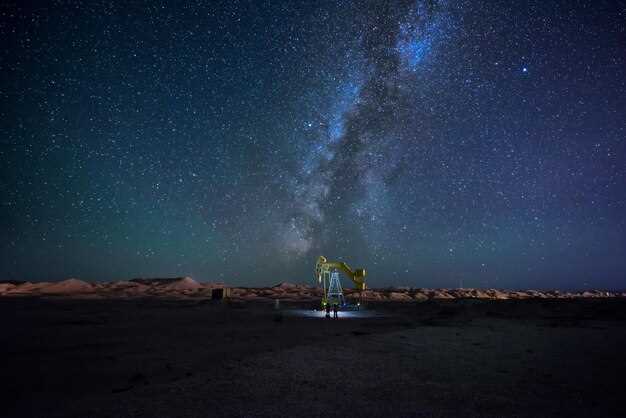
The night sky has always held a significant place in the hearts of people across the globe. As we look up during the evening hours, we find ourselves drawn to the beauty and mystery of space. In “The Amazing Night Sky Atlas – North and South America Edition,” readers can embark on a journey that covers the entire continent, offering a comprehensive view of celestial events, notable constellations, and vibrant meteor showers. This atlas is a must-have for kids and adults alike, catering to both novice stargazers and seasoned bookworms who wish to deepen their knowledge of the cosmos.
As spring arrives, the conditions for observing the night sky become even better. The eruption of colorful constellations and the presence of significant celestial events create a playground for those eager to learn. Whether you are situated in the northern regions of America or exploring the southern parts of the continent, the atlas provides a complete guide with information on what to observe during the late evening hours. It also discusses various elements that can impact visibility, from snow showers to atmospheric conditions, ensuring that users have a comprehensive understanding of what to expect when they step outside.
The night sky is an environment in constant flux, with a wealth of activity from year to year. From the tipping of seasonal constellations to the regular appearance of meteors, the atlas covers it all. Readers will have access to beautifully printed sections that detail the maximum visibility of celestial phenomena, making it easier to decide when to head outside. With each turn of the page, you’ll discover major events and fascinating facts that are not only educational but also help to enhance your personal experience with the universe.
For those who find themselves captivated by the wonders above, this atlas serves as a guide to exploring the world of astronomy. The night sky is a canvas where stories unfold, anchored by the planets, stars, and distant galaxies. Embarking on this adventure will allow both new and experienced observers to flourish in their understanding of the universe. So gather your tools, bring your family along, and prepare to dive into an exciting exploration that promises to deepen your appreciation of the night sky.
The Importance of Night Sky Observation
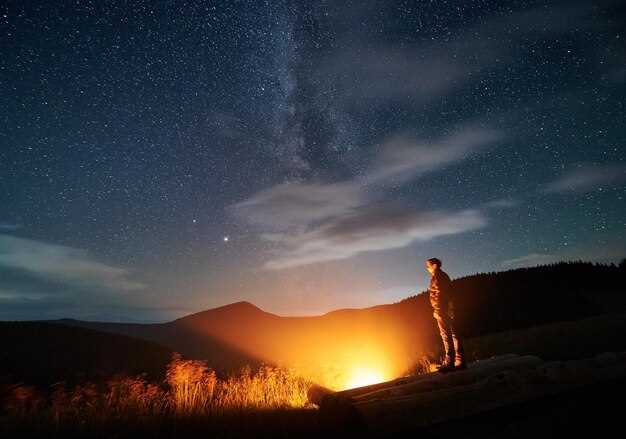
The act of observing the night sky serves numerous purposes across different domains, from fostering a love for science to understanding our planet’s place in the universe. Written accounts of such observations began long before modern technology, as ancient civilizations looked up at the stars and identified constellations that told stories about their worlds. This historic practice has contributed significantly to the development of navigation, agriculture, and cultural traditions. It also highlights the quirk of human curiosity and our innate desire to comprehend the cosmos.
When it comes to night sky observation, weather conditions play a pivotal role. Clear skies not only enhance visibility of celestial objects but also offer a more immersive experience. Every month, enthusiasts look forward to various astronomical events like meteor showers and planetary alignments. The best forecasts usually encourage observers to venture into the warmest parts of their region, whether it be the highlands or an island in the Atlantic, to capture the magnificence of the night.
Night sky observation is particularly important for children, providing them with a chance to engage with science in a hands-on manner. By identifying planets and galaxies, young minds flourish with curiosity. Innovative programs, supported by schools and parents, aim to instill a sense of wonder in future generations. Notably, observing the night sky fosters critical thinking and problem-solving skills, as children begin to understand the principles of physics and space.
In 2023, the emerging trend of utilizing smart technology to enhance stargazing experiences has led to the creation of apps and websites dedicated to identifying celestial objects. For instance, the Kimpton website offers customized stargazing guides for various locations around the globe, from the lava fields of Iceland to the serene outback of Australia, making it easier for enthusiasts to engage with the night sky.
| Object Type | Diameter (km) | Significant Events |
|---|---|---|
| Planet | 12,742 (Earth) | Monthly Meteor Showers |
| Galaxy | 100,000 (Milky Way) | Asteroid Flybys |
| Comet | 10 (Halley’s Comet) | Historic Transits |
As we delve deeper into our universe, the study of night sky phenomena opens doors to various scientific inquiries. Astrophysics and astronomy research continue to score significant breakthroughs, like the discoveries of exoplanets and understanding the origins of cosmic radiation. Each finding adds to the collective knowledge of how everything around us operates, reinforcing the importance of observational skills in scientific inquiry.
The role of night sky observation extends beyond science, impacting artistic expression and cultural heritage. From ancient myths to contemporary art, the night sky has continually inspired countless works. Scholarship and artistic awards also celebrate the intertwining of these disciplines, reflecting the profound influence the cosmos holds over humanity.
Moreover, the growth of astronomy clubs in communities encourages collective observation, turning stargazing into a social event. Instruments such as telescopes allow individuals to examine distant galaxies and explore our solar system’s planets in more detail. The camaraderie formed around shared experiences in the nocturnal landscape fosters relationship-building and strengthens community ties.
In conclusion, the importance of night sky observation cannot be underestimated. It enhances our understanding of the universe, stimulates scientific inquiry, and enriches educational experiences for children. By continually encouraging people to look up and engage with the mysteries above, we ensure that the wonders of the night sky remain a visible and cherished component of our collective heritage.
Understanding Light Pollution
Light pollution is a significant issue affecting the ability to observe the night sky in both North and South America. It occurs when artificial light obscures natural celestial objects, making it challenging to identify stars, planets, and meteorological phenomena. As urban areas continue to grow, the amount of light pollution increases, creating a barrier for aspiring astronomers and stargazers. This growing problem can have a sacrilegious impact on our connection with the cosmos, hindering scientific exploration and the enjoyment of nature’s wonders.
To address light pollution, it’s essential to implement strategies that minimize its effects. Everyday activities, such as using directed lighting and ensuring that outdoor lights are shielded, can significantly improve night sky visibility. Additionally, communities can benefit from educational programs that inform people of the importance of reducing light pollution. Resources like light pollution directories provide guidance for individuals and organizations looking to make a positive change in their environment. By incorporating tidbits of advice and scientific measures, we can collectively work towards a better understanding of our planet’s nighttime beauty.
In places like Iceland and Australia, where natural beauty reigns, observing the night sky can become a great adventure if light pollution is properly managed. Families, including kids, can enjoy evenings filled with stargazing, making memories that last a lifetime. Guides and systems that identify light pollution levels enable enthusiasts to find darker locations for optimal observing conditions. Tomorrow evening’s sky holds the promise of meteor showers and celestial events, and with the right preparations, the entire hemisphere can look up and appreciate the marvels above, from volcano eruptions to the oldest rocks, weaving a cosmic tale that connects us all.
Choosing the Right Location for Stargazing
Finding the right location for stargazing is critical for an unforgettable experience under the night sky. It’s essential to choose a spot that minimizes light pollution, which can significantly hinder your ability to view planets, clusters, and galaxies. The best places are often situated far from city lights–think parks, highlands, or even designated dark-sky reserves. Websites dedicated to astronomy often provide tidbits on these locations, ensuring you pick an ideal spot to witness the wonders above.
Consider the local weather conditions and the time of year. Some regions, like certain parts of Australia and Italy, boast clearer skies during particular seasons. For example, during the summer months, the warmest nights might yield the highest visibility for those eager to identify constellations and planets. Additionally, members of the Nordic and Dutch communities have written numerous guides, providing detailed measurements of visibility based on latitude and seasonal activity. Always check weekly reports for weather forecasts, as wind and cloud cover can affect your viewing experience.
When planning your stargazing adventure, think about the amenities available nearby, such as hotels or campsites that allow for nighttime exploration. Bringing the family or kids can also enhance the experience; it is a must to engage and inspire them with the beauty of the universe. Remember to pack snacks, like steak or a favorite dish, for a picnic beneath the stars. After a successful evening, you might find something new in the skies tomorrow; the inspiration gained from the night can lead to fascinating conversations about science and the cosmos.
The Benefit of Dark Sky Reserves
Dark Sky Reserves play a significant role in preserving the natural beauty of the night sky. These areas are established to protect the celestial view from light pollution, enabling communities to witness the full diameter and splendor of the cosmos. In places like the highlands of America and parts of Italy, the experience of stargazing is transformed, allowing people of all ages, including kids, to engage with the universe above them. Such activities provide a much-needed break from the hustle and bustle of modern life.
The establishment of Dark Sky Reserves also contributes to the hydrological and ecological balance in these regions. By reducing artificial light, these reserves have a positive impact on local wildlife, including nocturnal creatures like lizards and other unique species. A key quirk of these ecosystems is that they thrive in the absence of light pollution, which can disrupt natural behaviors. As a result, many reserves are also biodiversity hotspots, supporting various clusters of flora and fauna.
Furthermore, the promotion of these areas often leads to economic benefits for nearby communities. Restaurants and local businesses near Dark Sky Reserves report increased tourism, as stargazers and space enthusiasts flock to experience the wonders of the universe. This activity not only creates jobs but also fosters a sense of community around shared interests in astronomy and nature. By investing in these reserves, towns can secure a sustainable future while preserving their local culture.
In addition to the environmental and economic advantages, Dark Sky Reserves serve as significant educational sites. Numerous organizations have created guides and printed materials specifically designed for visitors, helping them to better understand the constellations, planets, and other astronomical phenomena. These resources allow children and adults alike to learn more about the night sky in a hands-on manner, deepening their appreciation of the worlds that exist above our own.
Studies have shown that exposure to natural dark areas can have mental health benefits. The calming effect of snow showers on a clear night and the tranquility of dark skies can reduce stress, contributing to overall well-being. Dark Sky Reserves offer a unique remedy in our increasingly illuminated world–a retreat into nature where individuals can disconnect from digital distractions and reconnect with the cosmos.
Ultimately, the importance of Dark Sky Reserves cannot be understated. They are not only crucial for the preservation of our night skies but also for nurturing a collective consciousness about the environment. As we witness growing support for the concept globally, particularly in the Americas and beyond, it becomes evident that these sanctuaries provide an invaluable resource for both present and future generations, ensuring that the beauty of the universe remains a cherished part of our lives.
Accessing Online Sky Maps and Applications
In today’s digital age, accessing the wonders of the night sky has never been easier. With numerous online sky maps and applications available, anyone can explore celestial events and learn more about our universe from the comfort of their home. These resources offer a host of information, perfect for both kids and adults, making them an excellent activity for families or enthusiasts alike.
Many websites and apps provide printed versions of star maps, which can be used alongside digital options. These printed materials are particularly useful for those who prefer to step outside with a tangible guide, allowing them to identify constellations and celestial bodies without the interference of light pollution. Whether you are in Italy, America, or anywhere in between, you can find guides that cater to your specific latitude and longitude.
Online platforms usually organize their information into sections that cover various aspects of astronomy. Some are dedicated to specific events, while others focus on ongoing celestial phenomena. By utilizing these sections, users can check forecasts for meteor showers, eclipse dates, or even volcanic eruptions that may impact visibility. With the right tools, anyone can plan for a night of stargazing, maximizing their experience based on weather conditions, primarily temperature and cloud coverage.
- Weather Predictions: Many applications provide forecasts to help you choose the best night for stargazing, considering factors such as maximum and minimum temperature or potential snow showers.
- Интерактивне мапе: Websites often feature interactive maps where users can click on different planets and stars to learn more about them. This adds a layer of quirk and engagement for children.
- Недељни извештаји: Неке платформе шаљу недељне имејлове претплатницима са информацијама о предстојећим астрономским догађајима, чиме их држе ангажованим и информисаним.
За оне који желе да продубе своје искуство, апликације као што су SkySafari, Stellarium или Star Walk пружају богат садржај, укључујући детаљне описе небеских тела. Ове апликације су посебно добре за почетнике, дајући им осећај повезаности са свемиром објашњавајући све, од основних звезда до сложених планетарних система. Деца посебно имају користи од ових интерактивних функција, подстичући радозналост о свемирској науци.
Kao što nagrađivana knjiga može biti dobro napisana i zanimljiva, najbolje aplikacije za mapiranje neba podstiču osećaj čuda i otkrića. One mogu pretvoriti prosečnu noć u izvanredno iskustvo transformišući jednostavan pogled napolje u putovanje kroz kosmos. Funkcije kao što je proširena stvarnost omogućavaju korisnicima da usmere svoj uređaj ka nebu, trenutno identifikujući zvezde i planete.
Za one koji planiraju odmor ili boravak u hotelu, korišćenje mapa neba može da poboljša vaše iskustvo, posebno ako se nađete na ostrvu ili u nekom udaljenom području. Istraživanje noćnog neba na nepoznatim lokacijama može otkriti sazvežđa i događaje koji su retko vidljivi iz vašeg doma. Ovo povećava uzbuđenje putovanja i nudi nove zanimljivosti o svemiru.
У закључку, приступ онлајн мапама неба и апликацијама отвара потпуно нову димензију истраживања и учења. Са свиме, од интерактивних функција до материјала за штампање, они задовољавају различите склоности и проширују образовни пејзаж астрономије. Док истражујете ноћно небо, обратите пажњу на посебне догађаје, цените лепоту око себе и наставите своје путовање кроз ово невероватно царство.