


 Српски језик
  English (UK)
  Русский
  বাংলা
বাংলা  العربية
  日本語
日本語  한국어
한국어  Magyar
  Norsk nynorsk
  Türkçe
  עִבְרִית
  Español
  Čeština
  Svenska
  Português
  Ελληνικά
  Suomi
Suomi  Nederlands
  Română
  Italiano
  Français
  Polski
  Українська
  Deutsch
  简体中文
简体中文  Slovenčina
  اردو
اردو  Azərbaycan dili
  O‘zbekcha
  አማርኛ
አማርኛ 

The Santiago Bernabeu Stadium, located in the heart of Madrid, Spain, is not just a sports venue but a monument to football history and achievements. As the home of the legendary Real Madrid, this iconic stadium has undergone numerous renovations, transforming it into a modern marvel featuring a retractable roof and state-of-the-art facilities. Visitors can immerse themselves in the rich historical narrative of the club while enjoying stunning views of the field and the surrounding area, making it an essential point of interest for sports lovers and tourists alike.
Whether you are a die-hard fan or a casual visitor, planning a trip to the Santiago Bernabeu offers exclusive experiences that take you into the world of European football. From the moment you purchase your tickets, you can look forward to an unforgettable day exploring various features of the stadium, including the massive trophy room filled with memorabilia showcasing the club’s most important successes. In December, the stadium lights up, providing an even more magical atmosphere for guests who are in town for the Liga seasons and other events.
The stadium experience is filled with options for visitors, including bars and merchandise shops where you can find scarves and other memorabilia to commemorate your visit. On match days, the excitement of the crowds adds to the ambience, often making the area bustling with energy. For those planning to spend extra time, nearby parks provide a serene escape from the metropolitan excitement, allowing for memorable moments as you relax and reflect on the thrilling sporting culture that defines this global capital of football.
History of Santiago Bernabeu Stadium
The Santiago Bernabéu Stadium, located in the heart of Madrid, has a rich and illustrious history that dates back to its opening in 1947. Named after the legendary Real Madrid president Santiago Bernabéu, the stadium has undergone several renovations to reach its current, breathtaking form. Initially, this classic venue was a simple football ground, but it has transformed over the decades into a major landmark for footballing lovers around the globe, standing as a testament to Real Madrid’s many titles and achievements.
Before you plan your visit, it’s essential to check the available information regarding current renovations, such as the installation of a retractable roof and expanded seating areas. The exclusive guide offers details about the historical locations within the stadium, from the VIP private boxes to the impressive dressing rooms where famous teams prepare for major games. Walking through the stadium allows you to immerse yourself in the rich history, as displays of trophies and memorabilia will ensure that every moment spent here stays with you long after your visit.
| Year | Event |
|---|---|
| 1947 | Stadium opened |
| 1982 | Host of FIFA World Cup matches |
| 1998 | Major renovations completed |
| 2023 | Current renovation phase |
If you’re planning a trip to Madrid, ensure that you yourself experience a match at this historical venue. Purchasing tickets in advance is highly recommended, especially during footballing seasons, to ensure you don’t miss out on witnessing a game at one of the most famous stadiums in the world. The Santiago Bernabéu Stadium is not just a place to watch football; it’s where moments are created, and memories are cherished.
When Was the Stadium Built?

The Santiago Bernabéu Stadium, the home of Real Madrid, officially opened its doors on December 14, 1947. This iconic venue has since become a legendary point in the footballing landscape of Spain and the world. Its construction marked an important moment for Madrid, symbolizing the city’s ambition to host international sporting events and tournaments.
Exploring the Bernabéu is like stepping into a trove of football heritage. Before its opening, the area lacked a modern sports facility that could accommodate the large crowds that passionate fans would draw. The stadium was initially designed to hold around 75,000 spectators, ensuring ample space for those who wished to witness Deportivo glory.
The design of the stadium blends classic architectural elements with modern innovations, a reflection of the era in which it was built. Over the years, it has undergone several renovations, each adding to its capacity and features, ensuring that the latest standards are always met. Notably, the Bernabéu has embraced technology, providing fans with superior game-day experiences through a range of accessible amenities.
In its early seasons, the stadium was filled with the sound of cheers from loyal fans, as it became an essential meeting point for lovers of the sport. The Bernabéu quickly established itself as a vital part of Madrid’s sporting culture, showcasing countless legendary matches that have defined football history. This attachment to the past does not diminish the modern sporting experiences visitors find today.
One of the best ways to ensure you don’t miss out on the stadium’s rich history is to book a visit to the Real Madrid Museum located on-site. This attraction offers a comprehensive overview of the club’s achievements, including a fascinating video presentation detailing the club’s milestones before and after the stadium’s construction.
If you’re planning to explore this remarkable venue, it is advised to check for updated schedules or any transfers that may affect your experience. The stadium is conveniently accessible via the Madrid metro, allowing you to hop-on and arrive with ease. This accessibility makes it a top point of interest for both locals and international visitors.
In conclusion, the Santiago Bernabéu Stadium is not just a building; it’s a symbol of Madrid’s sporting heritage and a place where football lovers can immerse themselves in the glory of both the past and present. Whether you are there to catch a game or delve into the history of this football icon, the experience is bound to leave a lasting impression.
Key Historical Events
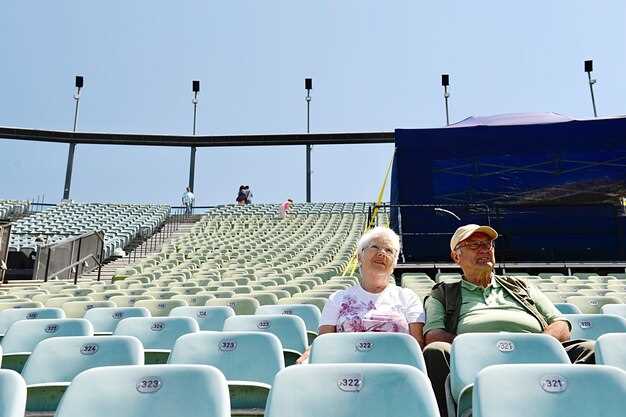
The Santiago Bernabeu Stadium, an iconic landmark in Spain, opened its doors in 1947, marking the start of an illustrious era for Real Madrid. Initially designed with a capacity of 75,000, the stadium quickly became a symbol of the club’s glory. Over the years, it has undergone several renovations, adapting to modern standards while maintaining its historical significance. These changes included the installation of a retractable roof, enhancing the viewing experience for fans.
Throughout its history, the Bernabeu has witnessed some of the most important matches in European football. The stadium hosted the first European Cup final in 1956, where Real Madrid triumphed over Stade de Reims. This victory emphasized the club’s dominance in the competition, leading to a prestigious collection of titles over subsequent seasons. The Bernabeu has since been the venue for numerous Champions League finals, solidifying its status as a central hub for football lovers worldwide.
In addition to football matches, the Santiago Bernabeu has held various historical events that demonstrate its versatility. Concerts by famous artists and significant public gatherings have taken place here, showcasing the stadium’s design as a multifunctional venue. While primarily known for sports, these events have added layers to its historical narrative, enriching the cultural fabric of Spain.
- 1966 FIFA World Cup: The Bernabeu hosted several matches, elevating its global significance.
- 1982 FIFA World Cup: Again, it served as a crucial venue, featuring some of the tournament’s most memorable moments.
- Real Madrid’s 100th anniversary: A grand celebration took place here, further cementing its importance in the club’s history.
For fans eager to explore the stadium’s rich past, various exhibits are available. Interactive displays and audio guides provide much information about memorable matches, famous players, and the evolution of the stadium itself. Visitors can track the club’s journey through its vast trophy collection, featuring jerseys and memorabilia that speak to past glories.
Planning a visit to the Bernabeu offers a second chance for those who have never experienced its magic. With limited entry options, it’s essential to book in advance through platforms like tiqets.com to ensure a spot. Each tour is unique, allowing guests to immerse themselves in the team’s history and witness the grandeur of this historic venue.
In summary, the Santiago Bernabeu stands as a testament to both football and Spanish culture. The combination of its historic timeline, interactive exhibits, and modern amenities makes it a must-visit, whether one is a die-hard football fan or simply seeking to explore one of the world’s most renowned stadiums. Its heart resonates with the spirit of competition and unity, leaving an indelible mark on all who pass through its gates.
Renovations and Upgrades Over the Years
The Santiago Bernabéu Stadium, an icon in Madrid, has undergone significant renovations since its opening in 1947. These upgrades, which have taken place over the decades, have transformed the venue into a modern marvel while preserving its rich history. The early renovations in the 1980s focused on expanding seating capacity and enhancing fan experiences, making it a premier destination for football enthusiasts.
One of the most notable alterations was the addition of the retractable roof, completed as part of the stadium’s latest renovation project. This feature allows for games to be played in various weather conditions, ensuring that matches can proceed smoothly, regardless of external factors. It stands as a testament to the forward-thinking design principles that guide the stadium’s evolution.
Parking and accessibility have also been integral aspects of the renovations. New locations for bars and dining options have been introduced, offering visitors exclusive experiences and bundles that enhance their time at the stadium. Whether you’re a passionate supporter or a casual visitor, spending time at Bernabéu has become a multifaceted journey filled with delightful opportunities.
In addition to the structural upgrades, the stadium now features digital displays and interactive experiences that engage fans in a way that was previously unattainable. These advancements take visitors on a unique journey through the club’s storied achievements and showcase the rich history of Real Madrid. It is a trove of information, commemorating their illustrious past and celebrating their ongoing successes in La Liga and beyond.
The latest renovations also included improved seating options, with more comfortable seats that allow fans to watch matches from various viewpoints. The goal was to enhance overall comfort while maintaining the stadium’s iconic atmosphere, which has graced countless unforgettable moments in football history. Those who attend games today can appreciate the beautiful blend of modern amenities with traditional elements.
With every upgrade, the Santiago Bernabéu proves to be much more than just a football stadium. It has transformed into an attraction that draws visitors from all around the world, offering experiences beyond the matches. Visiting the stadium has become an opportunity to explore a richly designed park filled with interactive displays and history.
In summary, the renovations and upgrades of the Santiago Bernabéu Stadium have not only preserved its soul but have allowed it to thrive as a top-tier venue for sports and entertainment. Each enhancement reflects a commitment to excellence and innovation, ensuring that Bernabéu remains a cherished landmark in Madrid, where football dreams take flight again and again.
Architectural Features of the Stadium
The Santiago Bernabeu Stadium stands as a hallowed venue, renowned for its architectural grandeur and modern design. This illustrious stadium, home to Real Madrid, has undergone extensive renovations to enhance its state-of-the-art facilities, reflecting both its historical significance and forward-thinking approach.
One of the most striking features is the retractable roof system, allowing for an immersive experience regardless of weather conditions. This innovative design not only safeguards players and spectators during international games but also showcases the stadium’s adaptability for various events throughout the year.
The exterior of the stadium boasts a modern façade, with lines that provide a sleek visual appeal. Large glass panels illuminate the interior, creating an inviting atmosphere that complements the rich history embedded within its walls. Such architectural decisions serve to commemorate the club’s achievements while promoting hospitality for its visitors.
Inside, the stadium features several premium hospitality packages, ensuring that every visitor’s experience is memorable. The various hospitality bundles are designed to cater to different tastes, providing access to exclusive bars and lounges, which enhance the game-day experience while giving an opportunity to spend time in a luxurious setting.
The dressing rooms, adorned with a collection of trophies and memorabilia, tell the story of the club’s illustrious past. Videos and exhibits showcasing famous games and players are strategically placed to engage fans, allowing them to relive pivotal moments in Real Madrid’s history.
Additionally, a market shop within the stadium provides fans with the chance to purchase exclusive merchandise. From jerseys that commemorate the sport’s legends to unique souvenirs, these items contribute to the legacy of the venue and its storied Club.
For those exploring the stadium, guided tours are available, leading visitors through critical locations such as the trophy room and the pitch. This offers fans an opportunity to truly connect with the soul of the stadium, making it an informative and engaging activity for both locals and international tourists.
Accessibility is also a priority; the stadium’s proximity to the metro system ensures easy reach for all attendees. With tickets readily available online through platforms like 7tickets, fans can secure their spots for games or tours quickly, making their visit to the Santiago Bernabeu a straightforward and incredibly enriching experience.