


 Српски језик
  English (UK)
  Русский
  বাংলা
বাংলা  العربية
  日本語
日本語  한국어
한국어  Magyar
  Norsk nynorsk
  Türkçe
  עִבְרִית
  Español
  Čeština
  Svenska
  Português
  Ελληνικά
  Suomi
Suomi  Nederlands
  Română
  Italiano
  Français
  Polski
  Українська
  Deutsch
  简体中文
简体中文  Slovenčina
  اردو
اردو  Azərbaycan dili
  O‘zbekcha
  አማርኛ
አማርኛ 
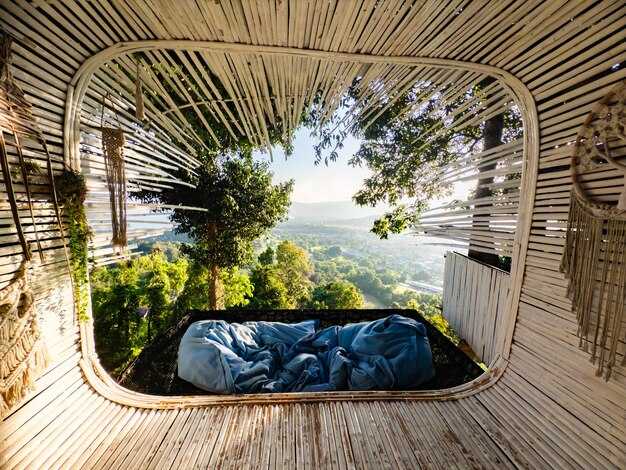
Start with Solage Calistoga for a geothermal oasis that threads luxury with conservation. This lodging blends sustainable practice into daily comfort: solar arrays power the spa, reclaimed water irrigates the gardens, and on-site restaurants source from regional farms. The experience serves many travelers by offering accessible, indulgent stays that emphasize wellness alongside stewardship.
On the coast, Post Ranch Inn keeps waves within view while applying natural-material design and energy-saving systems. Elevated cabins, passive cooling, and on-site permaculture gardens create a serene setting that minimizes impact without sacrificing comfort.
In wine country and inland clusters, lodges collaborate with local farms to deliver fresh produce and sustainable wines. Rosa-inspired palettes color the interiors, and guests enjoy activities such as guided hikes, kayaking, and sunset photography along scenic routes; museums and cultural sites nearby provide optional day trips. With many dining rooms and bars, you can plan photos-worthy meals that highlight regional flavors.
Whether you’re after a waterfront retreat in Sonoma or an oasis in the desert near coachella, these stays show that ideal lodging is possible. omni properties and boutique independents alike push toward lower energy use, composting programs, and EV charging to help you travel light on your footprint.
The practical takeaway is simple: map a route that allows moving between lodges from the coast to inland valleys, staying with a minimal footprint wherever you go. you can capture photos, support local restaurants, and enjoy activities with a lighter impact. thats the vibe this article aims to spark.
Distance to Redwood National Park: stays within 60 miles
Base in Arcata or Eureka for a sustainable stay within 60 miles of Redwood National Park. Choose a property powered by solar, offering organic breakfasts, water-saving systems, and on-site spas that deliver luxury without waste.
Orick sits on the park’s edge, Crescent City to the north, and Trinidad to the south, with Arcata and Eureka as practical hubs, although the least travel comes from staying closer to Orick to minimize moving between bases.
Seek lodges that blend glass-walled lounges with reclaimed wood, use local organic products for meals and spa treatments, and organize activities such as guided hikes, birdwatching, and forest immersion sessions–all designed to keep your footprint small while you enjoy the redwood country.
For honeymoon getaways, choose rooms with private decks and rainforest views; popular options include candlelit dinners and couples’ spa rituals that emphasize romance without compromising comfort or luxury, offering a true honeymoon feel.
Balance Redwood days with visits to small museums and the coast’s center towns, then end afternoons with a riverboat excursion along calmer reaches of the region’s rivers. These moments matter and point to a balanced itinerary within reach of the trees.
If you want a broader California journey, you can add Calistoga to stay at bardessono for organic spa experiences, and even enjoy british-influenced coastal design in some communities, with art and surprises like madonna-inspired galleries. For travelers from Los Angeles (angeles) or seeking iconic city energy, a smart loop keeps the forest as the anchor while blending country charm, cultural stops, and sustainable luxury.
On-site Energy: solar power, battery storage, and energy-monitoring systems
Install a 15–20 kW solar PV array with a 60–100 kWh lithium storage pack and a 5–8 kW inverter-charger to curb daytime grid use and provide reliable backup. In sonoma county coastal lodges near a lighthouse, this sizing typically cuts grid imports by about 60–75% on sunny days and offers 1–2 days of resilience during cloudy spells. Youll see lower energy spend and steadier bills as guests travel and stay in sustainable comfort.
Pair the system with an energy-monitoring platform that tracks per-area usage (kitchen, laundry, spa, guest rooms) and sends alerts for unusual spikes. Define a delta between production and demand, then shift loads–preheating water for wellness sessions, dinner service, and lighting–so you maintain comfort while cutting waste. Personal dashboards let managers review data in real time, and guests can see their ecological impact.
Practical installation tips: Route cable via protected conduits from roof arrays to a secure battery room; keep distances from panels to inverters manageable to minimize losses; install a parking canopy with integrated modules to shade vehicles and host EV charging. For coastal sites near waves or in delta regions, use corrosion-resistant hardware and consider cable routing to reduce exposure. This approach fits wilderness lodges and urban retreats alike.
Operational gains for guests focus on experience: energy-smart dinner menus, quiet operation of heating and cooling, and wellness spaces that stay comfortable with minimal fumes or noise. A thoughtful ecological and authentic strategy helps you choose a property that matches personal and communal expectations, while a robust energy-monitoring system provides transparent data for staff and visitors. Youll know how your power choices travel from the roof to the meter, and how small habits–from parking lot lighting to room temperature–add up to a meaningful reduction in carbon footprint.
Water Stewardship: rainwater harvesting and low-flow fixtures
Install rooftop rainwater harvesting and retrofit all fixtures to WaterSense low-flow models to cut outdoor irrigation by up to 60% and indoor use by about a third, delivering measurable savings for a boutique lodging that aims to be authentic and responsible. A typical California setup with a 5,000–6,000 sq ft roof can harvest roughly 3,100 gallons per inch of rain; in a dry summer, a 20-room property can store 20,000–40,000 gallons for irrigation and toilet flushing, keeping spaces comfortable for guests without potable-water strain. There’s no need to wait for a perfect season–start with a practical system and scale as occupancy grows or seasons shift.
For a small, guest-focused site, Luis, our designer, recommends sizing storage to support two weeks of irrigation and toilet use during the driest months, plus a margin for rain events. This approach works inside a space that blends evergreen landscaping with low-water flora and bushy borders, giving visitors a lush, authentic feel without overreliance on municipal supplies. In Rancho and delta-adjacent getaways, you’ll see courtyards and rooftop spaces that gain resilience through captured rain and banner-friendly, rosa-accented tiles, while the interiors remain cozy with natural elements and fireplaces that stay inviting in summer and shoulder seasons alike.
Rainwater Harvesting System
Design the system with a 3-part flow: catchment on the roof, first-flush filtration to remove debris, and a sealed storage tank with a return line for irrigation and toilet flushing. For a boutique lodging with 12–30 rooms, a modular tank setup of 20,000–40,000 gallons offers reliable coverage for irrigation across landscaped areas and common spaces, plus a buffer for dry spells. Install a submersible pump, automatic air-relief valves, and a simple irrigation controller that ties to a rain sensor. By integrating a robust filtration stage, you can keep indoor water clean for non-potable uses and preserve the value of your water supply for guests in places like Hollywood-adjacent getaways and Delta-side hideaways. The space inside the mechanical room becomes a clean, organized zone rather than clutter–Luis’s team prioritizes a compact footprint and labeled conduits for easy maintenance, even in a small home-style lodging where guests value simplicity and authenticity.
| Компонента | Typical Capacity/Flow | Recommended Target | Estimated Annual Savings (gal) | Estimated Cost (USD) |
|---|---|---|---|---|
| Showerheads | 2.0 gpm | 1.5 gpm | 60,000–120,000 | $100–$200 per unit |
| Toilets | 1.6 gpf | 1.28 gpf | 50,000–90,000 | $200–$500 per unit |
| Faucets | 2.2 gpm | 1.5 gpm | 30.000–60.000 | $50–$150 per unit |
| Irrigation (drip + smart controller) | standard sprinklers | drip + smart controller | 80,000–150,000 | $1,000–$5,000 |
| Storage Tank | 20,000–60,000 gal | 20,000–60,000 gal | n/a | $6,000–$20,000 |
Low-flow fixtures reduce pressure losses and keep water pressure steady for inside space comfort, whether guests sit by the stoves of in-house restaurants or lounge by the evergreen greenery. The table above helps you compare common options and plan a phased upgrade that aligns with your budget, your site’s climate, and your schedule for next getaways. A properly designed rainwater system also frees up space for stylish but practical elements–stile-inspired gates, rosa-toned pavers, and a few small fireplaces–so your space remains inviting for visitors and locals alike.
Low-Flow Fixtures and Best Practices
Pair the harvesting system with low-flow fixtures and smart irrigation to maximize impact. In summer, run irrigation only during early morning or late evening to minimize evaporation, and group plantings by water needs to reduce overall demand. Subscribe to a seasonal maintenance routine: flush filters monthly, check first-flush devices after heavy storms, and verify pumps and controllers quarterly. For on-site operations, run a compact training session with the team–Luis and the hospitality staff can demonstrate simple checks and explain how much water is saved by each improvement. This approach supports a sustainable, authentic guest experience and makes room for ongoing experimentation in styles–from a boutique delta bungalow to a Rancho-style lodge–without compromising guest comfort. Visitors notice the care through photos of the space and a clear, honest water story, which helps you attract lovers of sustainable travel and reinforce your place as a responsible, next-level lodging experience.
Theres no guesswork here: adopt rain capture, curb indoor use, and maintain a small, consistent footprint. The result is a dependable system that keeps restaurants and common spaces comfortable, supports summer specials, and allows you to showcase your commitment through real data and transparent reporting. From the first season onward, you’ll see the benefits in utility bills, guest satisfaction, and the ecological footprint of your boutique stays–a practical, authentic way to elevate any California getaway.
Waste Reduction and Materials: recycling, composting, and use of local materials
Implement a three-bin waste stream–recyclables, compostables, and landfill–placed in every venue area and clearly labeled with icons so guests and staff sort waste correctly from day one, making it effortless to participate.
Pair this with a robust partnership network for composting and recycling to minimize transport and emissions around monterey, capitola, napa, and other coastal districts in californias. This approach creates a tangible feel of stewardship across the stay, from the front desk to guest rooms and outdoor areas, and helps your jewel of a property become a community example rather than a single destination.
Waste streams, systems, and guest engagement
- Recycling and composting workflow: place labeled bins in all rooms, lobbies, and outdoor spaces; conduct a quarterly waste audit to track diversion rates; target 85–95% diversion within the first year, with organics directed to certified compost facilities.
- In-room and front-of-house practices: switch to refillable dispensers and bulk amenities; serve in reusable dinnerware for all packages and events; avoid single-use plastics during events for groups and weddings at venues near boutique areas.
- Kitchen and landscaping integration: compost fruit and vegetable scraps, coffee grounds, and prunings; use the finished compost to nourish native xeriscapes that attract birds like lovebirds and other wildlife, turning waste into a resource for the wilderness surrounding the property.
- Guest education and participation: display simple what-to-do signs in rooms and corridors; offer a 2–3 minute orientation at check-in that explains the waste streams and how guests can explore the local area without adding waste, including bike rentals and e-shuttles to nearby centers in the city.
Materials, sourcing, and building design
- Local materials: prioritize salvaged timber, reclaimed millwork, and locally quarried stone for renovations; source paints and finishes with low VOC levels to protect indoor air quality and reduce chemical emissions.
- Mid-century styling with practical sustainability: integrate gables and timber detailing that nod to classic California architecture while using durable, repairable components to extend the life of rooms and common spaces.
- Short supply chains: work with Napa, Capitola, and Monterey districts to secure materials within 50–100 miles, reducing transport time by a meaningful margin and supporting regional economies.
- Water and landscape design: convert acres of surrounding space into pollinator-friendly oasis zones and native plant areas; design paths and seating to minimize lawn areas while maintaining a comfortable guest experience.
- Packaging and guest kits: offer eco-friendly welcome packages with refillable bottles, seasonal information on local sustainable boutiques, and guidance on exploring the area without relying on cars–encouraging guests to walk, bike, or take short shuttles.
- Guest areas and experiences: develop small-group itineraries that focus on sustainable wineries and boutiques in nearby Napa or Capitola, while preserving wilderness access and ensuring that stays feel connected to californias coast and its diverse districts.
Community and Conservation Partnerships: collaborations with Indigenous groups and park initiatives
Choose eco-lodges that actively partner with Indigenous communities and park authorities. Look for formal agreements, community advisory boards, and cultural interpretation programs published in the property’s profile. This ensures your trip with people supports land stewardship, respects multi-generational needs, and creates space for families to explore along the pacific coast, with ocean views and nearby wilderness trails.
Indigenous partnerships in practice
Indigenous groups guide village-based programs, storytelling, language lessons, and craft studios within eco-lodges, forming a genuine collaboration with local people. These initiatives maintain space for multi-generational visits, feature vintage craft boutiques, and host eateries and spa experiences that reflect tribal traditions. With acres of protected area nearby, guests can walk trails with community stewards who explain salmon cycles, water care, and forest restoration–an authentic trip that shares respect for the land and its people, supports traditional livelihoods, and leaves everyone feeling truly happy.
Park initiatives and design integrity
Park agencies help manage adjacent wilderness areas, ensuring trails minimize erosion, protect water quality, and conserve iconic landscapes. Lodges implement solar power and water-saving systems to reduce energy use while keeping modern comforts in boutique rooms and spaces. Some properties integrate vintage architectural elements that blend with the environment, creating a feel of place rather than a generic stay. In practice, guests back conservation by choosing rooms with strong sustainability profile and joining guided getaways that highlight the ocean and wilderness. More travelers seek these experiences, expanding support for conservation. Sharing these experiences with fellow travelers helps sustain the area for the city and rural communities alike.