


 Српски језик
  English (UK)
  Русский
  বাংলা
বাংলা  العربية
  日本語
日本語  한국어
한국어  Magyar
  Norsk nynorsk
  Türkçe
  עִבְרִית
  Español
  Čeština
  Svenska
  Português
  Ελληνικά
  Suomi
Suomi  Nederlands
  Română
  Italiano
  Français
  Polski
  Українська
  Deutsch
  简体中文
简体中文  Slovenčina
  اردو
اردو  Azərbaycan dili
  O‘zbekcha
  አማርኛ
አማርኛ 
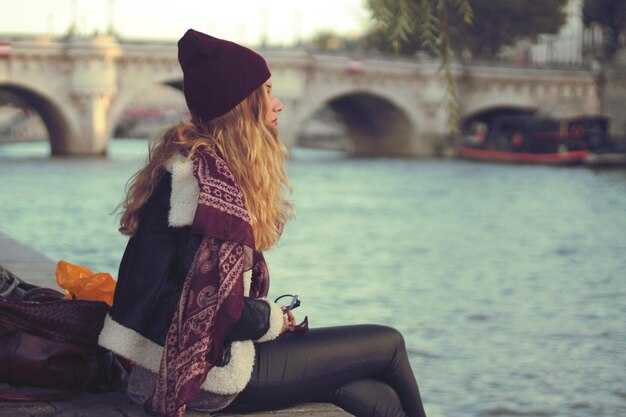
Start with a dawn stroll along Canal Saint-Martin to see Paris wake up and beat crowds. If you only have one morning, this move sets your mood for the day: you’ll feel the city breathe, and the light on the water becomes your first spectacular memory.
Meet locals who run tiny ateliers and bakeries; the best spots are outside the guardrails of glossy guides. Over years, these places earn appreciation from residents and visitors alike, often housed in buildings that feel like well-kept secrets, with french pastry counters shining in warm light and paper menus that feel tangible. Even the big institutions can’t match the warmth found here, and the sense of history adds to every bite.
Underground discoveries wait beyond the obvious: seek out underground wine bars and tucked courtyards in the Bastille and Oberkampf. A late-afternoon or evening visit offers a different mood, with small rooms, a fair deal on glasses of wine, and conversations that linger as lamps hum softly. This is where someone you meet will steer you toward a little gem you wouldn’t find in a guide.
Dining along the Seine’s banks reveals another side of the city: choose a spot between the Île Saint-Louis and the Left Bank for quiet views, or wander the bridges at sunset to catch reflections in the water. If you visited recently, you’ll notice how the vibe shifts from noon to evening, with casual bistros offering prix fixe deals and riverfront terraces where the paper menus flutter in the breeze.
Between hidden courtyards in the Marais and the Latin Quarter, having a local guide (someone you trust) shows you back doors and stairwells that lead to intimate dining rooms and quiet corners. Around these spots, decades of craft unfold, from cheese aging rooms to tiny galleries that celebrate regional traditions.
When you’ve visited a few corners, you’ll notice how the city speaks in textures, tones, and eyes that search for nuance. Bonsoir to the city, and to the people you meet along the way. With a little patience and curiosity, you’ll turn everyday moments into authentic memories that stay with you long after you’ve left the light of the last café.
Paris Insider Guide
Start your day with a pastry from a small fromagerie near Saint-Germain and a takeaway coffee, then walk along the Seine, enjoying seeing locals and travelers begin their day.
Arrive at dorsay before the line forms; the museum’s halls stay cooler in july heat.
In august, Canal Saint-Martin becomes a hub for enthusiasts; smaller galleries open late; check openings; sometimes a quiet corner reveals more than a landmark.
Seek out a family-run establishment in the 11th for pairing cheeses with a glass. Ask the shop team for a cheese plan. They share facts about aging.
The Pont des Arts locks still catch light at sunset; read the messages before you snap a shot. If you worry about crowds, choose a weekday late afternoon for better lighting and quieter corners.
In the Marais, find an indian cafe or spice shop offering tandoori and chaat; a quick snack satisfies travelers and curious visitors alike. This small detour adds flavor to your route.
Facts to know for first-time visitors: the metro runs until about 1 am on weekends, some smaller museums close by 6 pm, and canal-side markets appear in july and august. This makes for a better plan.
everyone can craft a personal day by mixing classic icons with hidden corners, and the team behind your plans can tailor it to your pace–thank you for reading, okay, and enjoy Paris, enthusiasts.
Hidden Courtyards and Quiet Gardens in the City
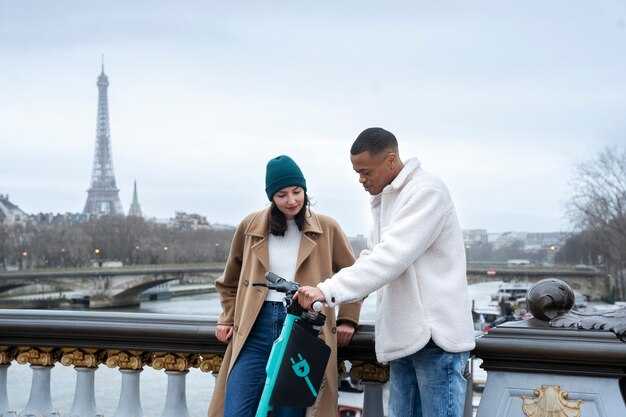
Begin with the Palais-Royal courtyard, arriving sunday morning for calm light and soft sounds that drift through the arcades.
One of the ones tucked away in the 3rd arrondissement is the inner courtyard behind the Carnavalet museum; opened to the public, it’s a place visited by locals for seeing calm between streets, despite the bustle outside.
In the 9th, the Vie Romantique courtyard offers a shaded path and a whisper of a garden; youd find a small cafe and a seasonal display of plants; nearby, culinary pop-ups and cheese-aging tastings sometimes spill into the space on sunday.
To plan a smooth course, book ahead at a nearby bakery or cafe; bring a small book and a light lunch; nearby restaurants offer light bites, and you can hop from one courtyard to the next via short walks and the stations around the linked arrondissements, a tiny world away from the city noise.
Use nearby stations to stitch a compact route across arrondissements: Tuileries, Louvre-Rivoli, or Saint-Paul; a book in hand makes the experience rich, and you can step back for a moment before moving on.
Remember to check opening statuses; some spaces isnt always open to the public, but when opened they offer a piece of calm and beauty that isnt found along crowded streets.
| Двориште | Arrondissement | Best Time to Visit | Šta raditi |
|---|---|---|---|
| Palais-Royal Courtyard | 1. | sunday morning | Coffee, Columns de Buren, quiet photography |
| Carnavalet Museum Court | 3rd/4th | касно поподне | Read plaques, enjoy shade, sit on a bench |
| Vie Romantique Courtyard | 9. | подне́ | Garden walk, tea, plant study |
Best Times for Light-Footed Visits to Iconic Landmarks
Head out at dawn, 6:00–7:00 am, to catch soft light, cleaner paths, and a site that feels private. thatll keep your pace relaxed and let you walk with more control on crowded days. Start near montmartre’s lower streets to avoid the initial crowds, then head toward the river for a calm stroll before the stations start filling.
- Eiffel Tower – best exterior lighting is from the river or Trocadéro early: 6:00–7:30 am. If you want to go inside, opened times begin at 9:00 am; aim for a slot after 4:00 pm when light is softer. Stand on a stoop for a low-angle shot and let the river reflections frame the towers; this view is known for bold, hero-worthy frames.
- Louvre – arrive 7:45–8:30 am for exterior shots around the Pyramid while the interior opens at 9:00 am. Security lines grow after 9:30, so plan a precise rhythm. Those hours give you more space to photograph architecture without crowds and preserve a clear view of the glass and stone.
- Montmartre – start 7:00–9:00 am to enjoy soft light on the stairs and streets before the cafe crowds spill into the squares. Move down toward the river valley, and near the basilica you’ll find quiet corners for a couple of portraits or candid shots.
- Seine river banks and bridges – choose a 6:45–8:15 am window for tranquil reflections, or 7:30–9:00 pm for golden hour along the water. Walking along the quay between locks and lamps yields iconic silhouettes with fewer people around the main landmarks.
- Île Saint-Louis and Pont des Arts area – for calm capture opportunities, visit 8:00–9:30 am or after 6:30 pm. Those hours let you photograph old facades, passes, and the famous locks without jostling crowds. If you’re after a neighborhood feel, near the back streets you’ll find petite markets and a quiet meal stop before the day hits full pace.
InsideHook and Vicki know these windows. Known for city coverage, insidehook notes that those hours align with parisians’ rhythms. The site is visited by everyone who wants to explore light, and this approach keeps you close to the best views while leaving room for small discoveries. For a photo-minded traveler, a few minutes saved at each stop translates into more time for a meal and for walking along the river with views of towers and bridges. If you want to share shots, consider a by-sa license to keep the approach clear.
Tips: carry a compact map, check opened hours ahead, and consider a short walking route that ties montmartre to the river via a direct path. Use passes or metro stations to switch neighborhoods quickly, then enjoy the walk and the quiet corners you’ll find along the way. Those moves work well for everyone who wants a lighter day, fewer crowds, and more opportunities to capture a hero shot near the water.
Offbeat Paris: Passages, Museums, and Local Galleries
Begin with Galerie Vivienne, a wonderful covered passage that glows under a glass skylight, its checkerboard floor guiding you from one boutique to the next.
Several similar passages–Passage Jouffroy and Passage des Panoramas–keep you beneath street level, with quiet shop fronts and elegant ironwork; theyve tucked away bookstores and small galleries that feel completely local; these passages are called arcades by locals.
Musée Gustave Moreau, a spectacular mansion on a quiet street, houses color-rich canvases in a setting that feels exclusive and intimate.
Another prime stop is Musée Nissim de Camondo, where period rooms, plush fabrics, and a Parisian taste for detail create a time-machine experience just a short stroll from Parc Monceau.
Local galleries populate germain corridors around Boulevard Saint-Germain and Rue Bonaparte; these intimate spaces offer conversations with curators and access to emerging artists you won’t find in major fairs, plus seeing works you’d otherwise miss.
Afterward, shopping takes on a calmer pace: hit independent shops along Rue de Turenne and Rue Vieille-du-Temple, where you can score designer prints, handmade ceramics, or limited-edition zines; a small group of friends can make a real day out of it, and these spaces are giving you a sense of place not found in bigger museums.
Stay curious about the city’s rhythms: wander through the gardens along the Seine, listen to street sounds, and let time slow to the quite pace of café chatter and park benches.
Advice for a smooth visit: buy tickets online when possible, arrive before noon to beat crowds, and ask locals about openings and quiet hours; this approach helps you stay completely immersed in offbeat Paris without feeling rushed.
Beneath the surface, you’ll notice echoes of Paris’s long history–from bookshops tucked into bright passages to ateliers hidden behind modest façades, and the occasional sewer grate reminds you of the city’s layered life. This town rewards quiet, local explorations.
Local Eats on a Budget: Where Parisians Actually Dine
Grab a baguette, a small wheel of cheese, and a seasonal fruit from a nearby market and picnic by the Seine for about €8-12. This approach lets you taste real bread and produce instead of tourist menus. Millions of Parisians do this daily, especially after work, strolling from the dorsay area toward the river. Nearby market stalls behind the Louvre area offer fresh options, and the city lights glow as august evenings cool down. Theres plenty of affordable options even near the most visited corridors.
For a quick sit-down, choose smaller, friendly places off the main boulevards: a family-run boulangerie, a bistro with a budget formule, or a crêperie near the Latin Quarter. Usually these spots offer a lunch formule at €12-€15 that includes a starter, a main, and a café. The staff tells you about daily specials behind a chalkboard, and they welcome you as a regular, not a tourist, place.
Rooftop terraces near dorsay offer a spectacular view of the city and a budget-friendly bite. A tartine or salade plus a glass of wine can stay under €20. Sometimes, you’ll find american coffee or tea and a simple dessert on the menu, featuring local cheeses and regional wines. The atmosphere stays friendly and relaxed, with millions of city dwellers choosing this kind of setting to unwind after work.
An entire afternoon can feel like a local tour: stroll from a market to a smaller bistro for lunch, then stay for a sunset on a rooftop. They tell stories of the city behind the scenes, something familiar yet never cliché. Welcome newcomers who want authentic, budget-friendly options, and you’ll discover that Paris serves every place with care and character.
Manhole Covers and Urban Lore: A Light Tour of Parisian Mystery
Start at the center of Paris and plan a 60-minute loop along the Seine and two quiet streets to spot manhole covers that tell tiny stories. Let your feet carry you through apartments and courtyards, and read the citys past on the edge of each lid.
What you’ll notice when you crouch and compare:
- Official marks and foundry stamps reveal the era of manufacture; most covers are heavy cast iron, about 60 cm in diameter and weighing around 60–80 kg.
- Common motifs include fleur-de-lis, anchors, rivers, and geometric rosettes; these designs map the citys engineering history and local pride. note the former gas-lamp era hints and the transition to modern plumbing.
- Hand-held inspection helps: use your hand to feel the texture around the rim, and you’ll notice scratch marks that locals say encode dates or initials.
- A characterful detail can appear in the margins: you may spot a small image of a cat or a cartoon fanny in a wall label, or a pariss sticker that a shop window owner left as a wink.
- In january, daylight wanes quickly; plan your stroll for late afternoon when lamps and shop lights create a friendly mood and safer visibility.
- Carry a paper map or a phone with a light; read any tiny numbers stamped on the rim to cross-check a location and mark your finds.
- Courtesy from locals makes the route richer: strike up a word about the hidden world beneath, and a chatty tip may lead you to a new center street with another lid and a fresh image.
- For those who like to test tactility, place your hand on the rim to feel the edge and the pattern beneath your fingers–you’ll notice how the metal teaches your steps.
thatll encourage you to keep going, because you completely might miss something if you rush. The route offers a collection of small stories that everyone can enjoy, once you tune your eyes to the ground and your mind to curiosity.
- Center: start near Île de la Cité, then walk toward the Marais; watch for covers along quiet alleys that open onto small courtyards and a handful of official plaques.
- Le Marais and its vintage vibe: follow covers along Rue Vieille-du-Temple and Rue des Rosiers; locals often point to a tiny pariss on a window or a wall, and you may read a note about the former wine trades.
- Montmartre and vineyards: traverse toward Clos Montmartre and the surrounding vineyards pockets; the lids here carry coats of arms and river references that echo old trade routes.
- Left Bank to Parc du Luxembourg: finish near the Seine river bend; the stones and covers here echo the citys long memory and connect to a final image you can photograph for your collection.
Wrap-up: compare your finds with a quick read of a local news item, tuck a note in your pocket, and head home for a warm tea. This light tour is perfectly sized, completely safe after dark, and a few blocks can turn a routine walk into a shared story with everyone who crosses your path.