


 Slovenčina
  English (UK)
  Русский
  বাংলা
বাংলা  العربية
  日本語
日本語  한국어
한국어  Magyar
  Norsk nynorsk
  Türkçe
  עִבְרִית
  Español
  Čeština
  Svenska
  Português
  Ελληνικά
  Suomi
Suomi  Nederlands
  Română
  Italiano
  Français
  Polski
  Українська
  Deutsch
  简体中文
简体中文  Српски језик
  اردو
اردو  Azərbaycan dili
  O‘zbekcha
  አማርኛ
አማርኛ 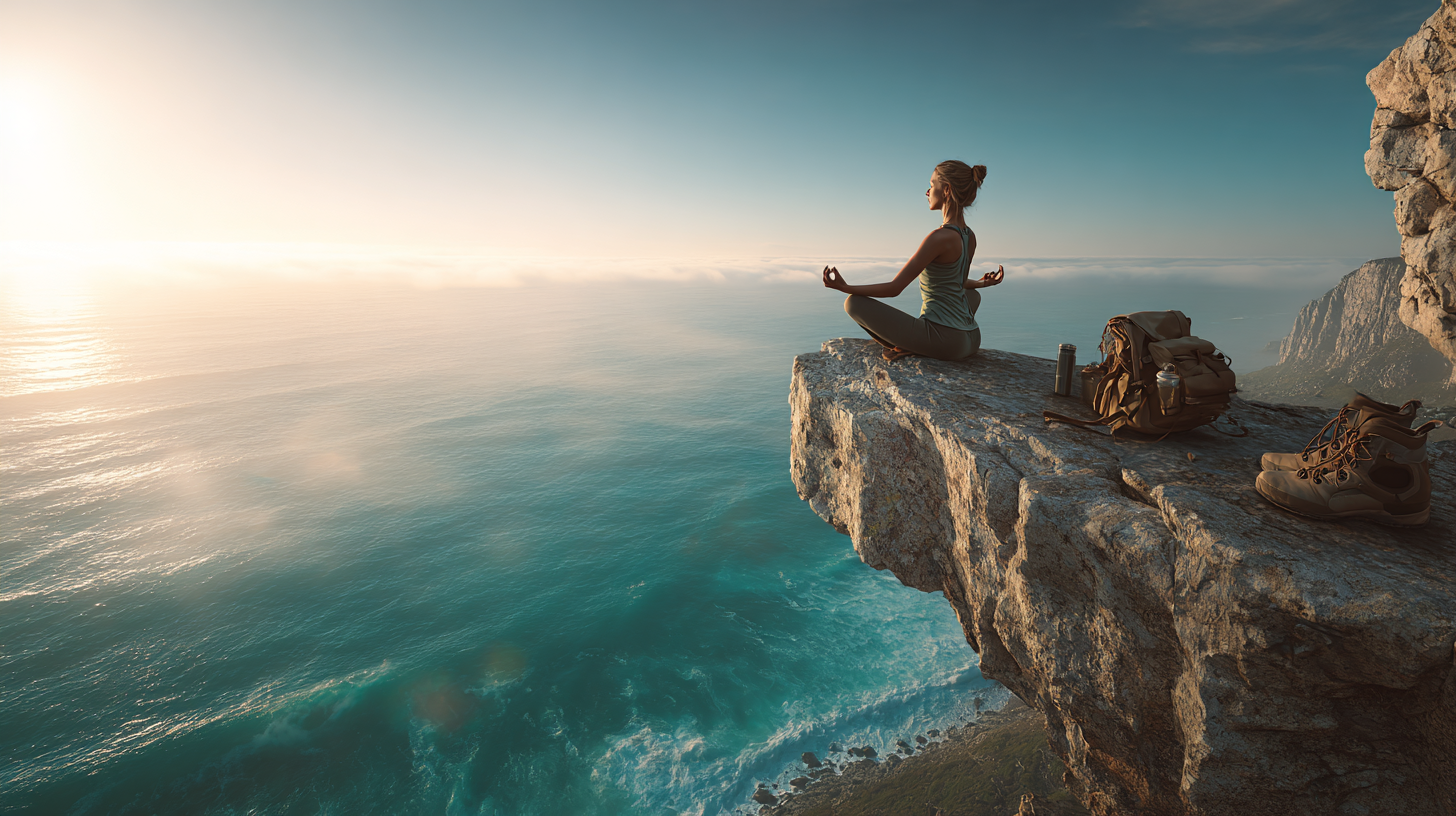 Balancing Wellness and Adventure in Travel: A Holistic Approach to Exploration">

The modern traveler often faces a paradox: the desire for thrilling, adrenaline-fueled adventure competes directly with the need for restorative rest and self-care. Successfully achieving true fulfillment on the road requires effectively Balancing Wellness and Adventure in Travel, transforming a simple vacation into a deeply restorative and exhilarating experience. This holistic approach ensures that exploration does not lead to exhaustion, allowing one to return home not just with memories, but with renewed mental and physical energy. Finding this perfect equilibrium is key to long-term travel happiness and sustainable exploration.
Redefining Travel: Moving Beyond Extremes
Historically, travel was often categorized into rigid extremes: either a high-octane expedition that left one physically depleted or a passive, sedentary resort stay. The new paradigm of conscious travel rejects this dichotomy. It advocates for an intentional blend of purposeful activity and planned downtime, recognizing that the best memories are created when one is fully present, energized, and mentally sharp. Therefore, the strategic integration of wellness practices into an adventure itinerary becomes a crucial element of modern trip planning.
The Components of Wellness in Travel
Wellness encompasses more than just yoga or spa treatments; it includes mental, physical, and nutritional health. When traveling, integrating physical activity that is restorative rather than depleting, such as a gentle hike or morning stretching, is vital. Furthermore, ensuring adequate sleep, despite time zone changes or busy schedules, should be non-negotiable. Finally, nutritional wellness means making conscious food choices that support energy levels, rather than defaulting to quick, nutrient-poor options. A traveler who prioritizes these components can fully engage with an adventure, rather than viewing it through a lens of fatigue.
The Role of Mindful Adventure
Adventure does not always necessitate extreme sports; it means stepping outside one’s comfort zone and engaging with the new environment. This engagement can be a challenging mountain trek or simply navigating a local market using the local language. When trying to strike a balance, selecting adventures that also incorporate a wellness element, such as rock climbing followed by a session of meditation, can be highly effective. The physical challenge provides the excitement, and the subsequent recovery practice anchors the experience in restoration, proving that the two themes are mutually supportive rather than competitive.
Strategies for Seamless Integration
The secret to successfully Balancing Wellness and Adventure in Travel lies in meticulous, yet flexible, planning. This involves weaving wellness moments into the fabric of the itinerary, rather than treating them as separate additions. Consequently, this prevents the common pitfall of sacrificing self-care when the logistics of adventure become demanding.
Scheduling and Daily Rhythm
A successful travel plan should alternate high-energy adventure days with low-energy recovery days. For instance, a demanding three-day jungle trek should be immediately followed by a day dedicated entirely to reading, journaling, or enjoying a slow, deliberate meal. Transition words are crucial here: Furthermore, one should establish a simple morning routine, even if it is just ten minutes of breathing exercises, to maintain a sense of stability. However, it is essential to remain flexible. If an unexpected opportunity arises, the routine can be adapted, not abandoned entirely, proving that balance is about adaptation, not rigidity.
Accommodation and Environment
The choice of where one sleeps profoundly affects well-being. Selecting accommodation that offers quiet spaces, access to nature (even a small garden), or facilities like a local gym or pool, can support the wellness goal. Conversely, staying exclusively in loud, central, and highly stimulating areas may hinder mental recovery, making the adventure aspect of the trip feel overwhelming. When budgeting, considering whether a slightly higher investment in a calmer environment is justified by the subsequent improvement in energy and mood is an important calculation. A rested traveler experiences adventure more deeply and joyfully.
Leveraging Technology and Resources
Modern technology offers travelers numerous tools to help maintain balance, facilitating both seamless adventure logistics and accessible wellness practices regardless of location. These resources make the integration process easier and more intuitive.
Digital Tools for Self-Care
Numerous apps now offer guided meditations, stretching routines, and sleep trackers that can be accessed offline. Utilizing these tools allows travelers to carry their self-care routines with them, ensuring that a lack of local facilities never becomes an excuse for neglecting wellness. Thus, a traveler waiting at an airport gate can easily engage in a short mindfulness exercise. Navyše, digital resources for mapping and navigation reduce the stress of getting lost, which itself is a significant drain on mental energy, indirectly supporting wellness.
Conscious Consumption and Local Sourcing
Adopting sustainable and ethical consumption practices during travel is inherently tied to a holistic view of well-being—the wellness of the planet and local communities. Choosing local transport over internal flights substantially reduces the carbon footprint, which aligns with the values of conscious travelers. When making purchases, supporting local artisans or businesses rather than global chains injects capital directly into the community, creating a positive feedback loop. Therefore, a commitment to responsible travel enhances not only personal well-being but also the health of the destination itself. By deliberately weaving these dual priorities into the travel narrative, one transforms a sequence of experiences into a cohesive, deeply meaningful journey of personal and global enrichment. The art of Balancing Wellness and Adventure in Travel is ultimately the art of traveling well.