


 Slovenčina
  English (UK)
  Русский
  বাংলা
বাংলা  العربية
  日本語
日本語  한국어
한국어  Magyar
  Norsk nynorsk
  Türkçe
  עִבְרִית
  Español
  Čeština
  Svenska
  Português
  Ελληνικά
  Suomi
Suomi  Nederlands
  Română
  Italiano
  Français
  Polski
  Українська
  Deutsch
  简体中文
简体中文  Српски језик
  اردو
اردو  Azərbaycan dili
  O‘zbekcha
  አማርኛ
አማርኛ 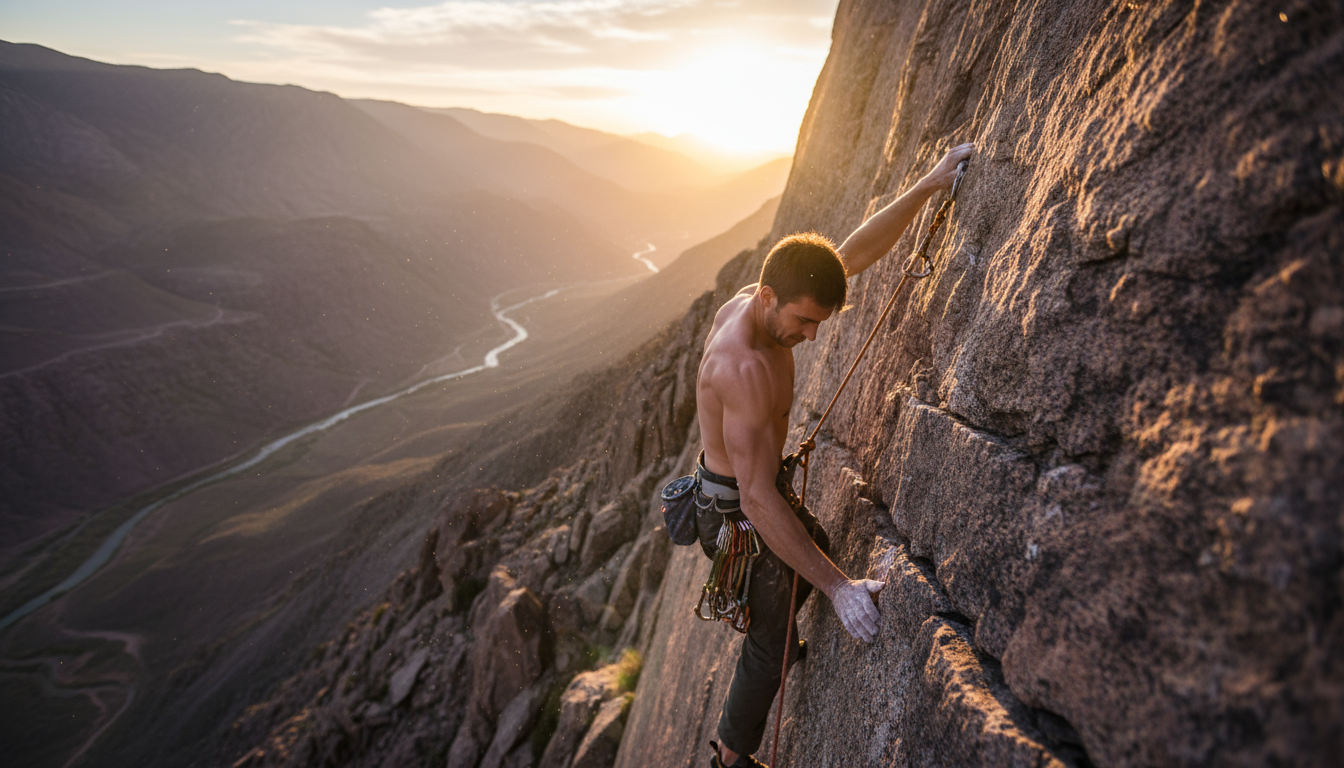 Najnovšie trendy formujúce dobrodružnú športovú turistiku v roku 2025">

The world of travel is undergoing a continuous transformation, moving away from passive sightseeing toward highly immersive, challenging, and experience-driven activities. This shift has placed adventure sports tourism at the forefront of the industry, appealing to travelers who seek both physical and mental stimulation on their journeys. As we move into 2025, several key trends are defining how, where, and why people engage in these high-stakes expeditions. Understanding these latest trends in adventure sports tourism is essential for both operators and enthusiasts looking to stay ahead of the curve.
The Rise of Sustainable and Eco-Conscious Adventure
Adventure tourism, by its nature, often takes place in pristine natural environments, from remote mountain ranges to delicate marine ecosystems. Therefore, a critical trend that has emerged is the demand for sustainable and responsible practices among tour operators. Travelers are increasingly aware of their environmental footprint and actively seek out companies that prioritize conservation and local community engagement. This shift is fundamentally changing the business model for adventure sports tourism.
Carbon-Neutral Expeditions and Certifications
A growing number of operators are committing to carbon-neutral expeditions, offsetting the emissions from flights and local transport through verified conservation projects. Furthermore, certifications like the B Corp status or the Global Sustainable Tourism Council (GSTC) are becoming powerful marketing tools, signaling genuine commitment to responsible practices. Customers are willing to pay a premium for these ethical guarantees. Moreover, many adventure tourists now prefer local, non-motorized transport options, such as sailing, kayaking, or electric vehicle transfers, to minimize their impact on fragile ecosystems. This focus on ethical travel ensures that the landscapes that draw adventurers are preserved for future generations.
Community-Based Adventure Tourism
The most impactful trips are those that benefit the people living in the host destination. Consequently, a major focus within adventure sports tourism is shifting towards models that integrate local communities as service providers, guides, and accommodation partners. This trend ensures that the economic benefits of tourism stay within the region. For instance, mountaineering treks in the Himalayas or jungle expeditions in the Amazon are now often led by indigenous guides who possess unparalleled knowledge of the terrain and culture. This not only creates authentic experiences but also empowers local populations, fostering a sense of custodianship over their natural resources, which ultimately enhances the overall sustainability of the adventure.
Technological Integration and Accessibility
While the appeal of adventure lies in disconnecting from the digital world, technology is playing a crucial role in making adventure sports tourism safer, more accessible, and more personalized than ever before. From planning to execution, digital tools are revolutionizing the way travelers approach challenging activities.
Personalized Risk Assessment and Safety Tech
Safety remains paramount in any high-risk activity. Advancements in wearable technology and remote tracking systems are providing real-time data on traveler health, location, and environmental conditions. Satellite communication devices are becoming smaller and more affordable, ensuring that help is always within reach even in the most remote areas. In addition to hardware, AI-powered risk assessment platforms are now being used by operators to personalize training and preparation plans based on the traveler’s fitness level, medical history, and the specific demands of the adventure. This sophisticated integration of safety tech is allowing a broader demographic to safely participate in adventure sports tourism.
Virtual Reality (VR) Pre-Trips and Training
Before committing to a challenging expedition, travelers can now use virtual reality to “test drive” the experience. VR pre-trips allow adventurers to explore key sections of a route, acclimatize themselves to the environment (virtually, of course), and practice technical skills in a safe environment. This serves a dual purpose: it acts as a powerful marketing tool for operators and helps travelers gauge whether the trip meets their skill level and expectations. It lowers the barrier to entry while simultaneously managing customer risk and satisfaction, ensuring that participants are better prepared for the physical reality of the latest trends in adventure sports tourism. This innovative application of VR technology is enhancing the planning stages significantly.
The Shift to Micro-Adventures and Specialized Niches
Not all adventure has to take place over weeks in a remote corner of the globe. The concept of the “micro-adventure”—a short, local, but challenging trip—has gained immense popularity, particularly among urban professionals. At the same time, existing adventure niches are becoming hyper-specialized.
Urban and Local Adventure Sports
Following pandemic-era travel restrictions, people rediscovered the thrill of adventure close to home. Micro-adventures—such as overnight hiking, weekend kayaking trips, or urban exploration—offer a high-impact, low-commitment way to satisfy the craving for novelty and challenge. This market segment emphasizes accessibility, affordability, and work-life balance. Furthermore, operators have responded by developing guided urban experiences, like parkour classes or city-wide scavenger hunts that incorporate physical activity, demonstrating that adventure sports tourism can thrive even within metropolitan areas.
Hyper-Specialized Expeditions
The days of generic “hiking tours” are fading. Travelers now seek highly specific experiences, leading to a boom in niche adventure sports tourism. This includes specific types of freediving, technical canyoneering, volcano boarding, or fat-biking across snow deserts. These specialized trips often require advanced skill sets and unique gear, attracting a highly dedicated and profitable customer base. They also naturally incorporate educational elements, focusing on subjects like geology, marine biology, or survival skills, transforming the journey into a comprehensive learning experience. This desire for in-depth, focused adventure is a key indicator of where the market is heading in the coming years.
Mental Wellness and Transformative Travel
Modern adventure sports tourism is no longer just about the physical challenge; it is increasingly focused on the mental and emotional benefits of stepping outside one’s comfort zone. The transformative potential of nature-based challenges is now a major selling point.
Adventure as Therapy
Many travelers are turning to challenging environments to address burnout, stress, and mental fatigue. The focus required for activities like multi-day treks or solo sailing acts as a powerful form of mindfulness and therapy. Operators are integrating mental wellness components into their itineraries, such as guided meditation, journaling, and digital detox periods. This blending of physical exertion and mental restoration appeals to a holistic view of well-being, positioning the latest trends in adventure sports tourism as a tool for personal growth. The sense of achievement after conquering a physical challenge translates directly into increased self-confidence and mental resilience.
The Pursuit of “Authenticity”
Beyond taking a picture, the modern adventurer seeks a true, authentic connection with the place and the activity. This means engaging with the destination on a deeper level, embracing discomfort, and moving away from highly sanitized, tourist-centric routes. The pursuit of authenticity drives demand for remote, self-supported trips, such as bikepacking across continents or unguided wilderness canoe trips. This kind of adventure sports tourism requires thorough preparation but rewards the traveler with a profound sense of accomplishment and a unique, unfiltered perspective on the world.