


 Slovenčina
  English (UK)
  Русский
  বাংলা
বাংলা  العربية
  日本語
日本語  한국어
한국어  Magyar
  Norsk nynorsk
  Türkçe
  עִבְרִית
  Español
  Čeština
  Svenska
  Português
  Ελληνικά
  Suomi
Suomi  Nederlands
  Română
  Italiano
  Français
  Polski
  Українська
  Deutsch
  简体中文
简体中文  Српски језик
  اردو
اردو  Azərbaycan dili
  O‘zbekcha
  አማርኛ
አማርኛ 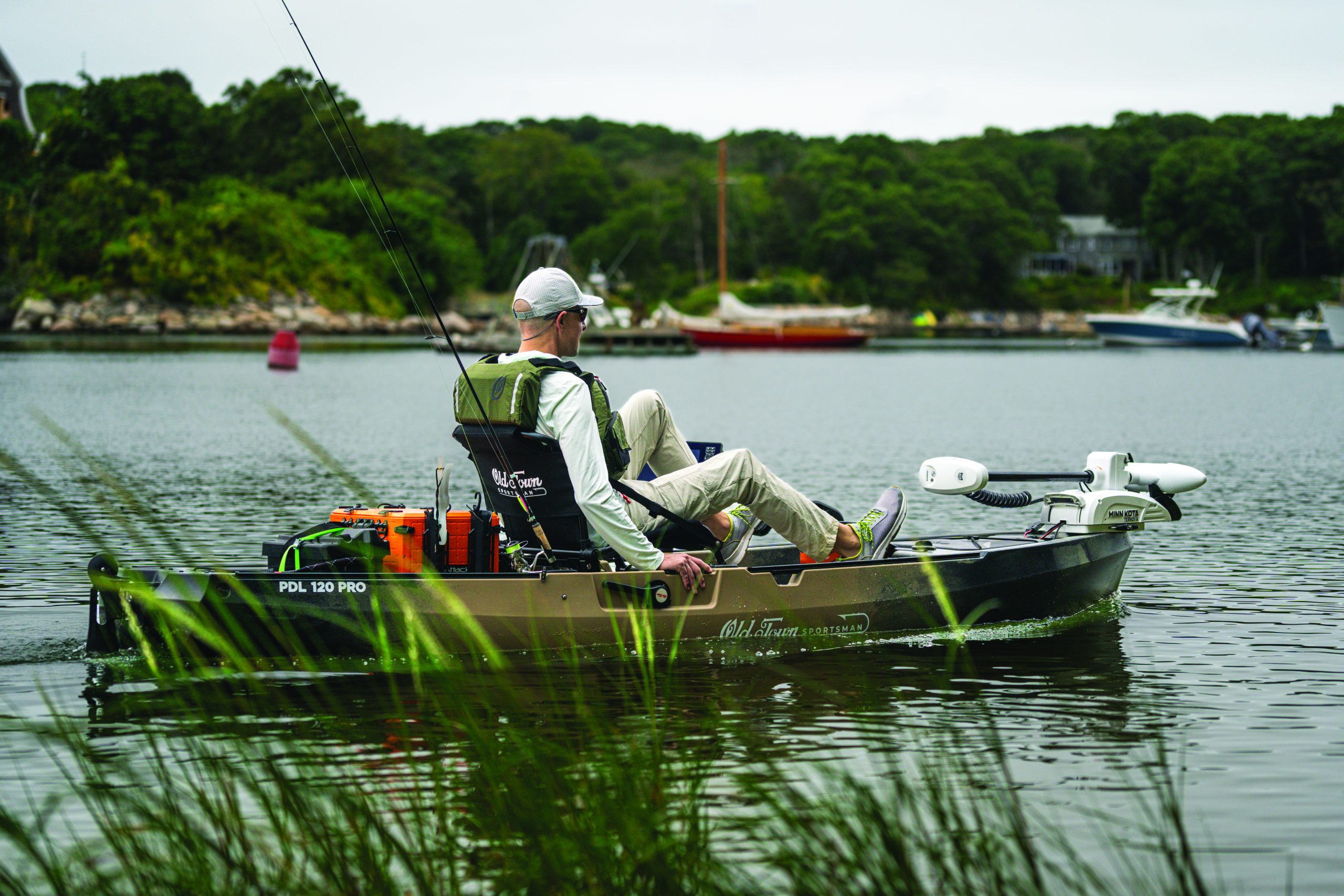 Elektrický pohon a rybolov na kajaku: Praktické možnosti pre rýchlosť, ovládanie a výlety">

Battery, mount, and speed: what to expect on the water
Most kayak electric drives operate on 12-volt systems, with higher-performance setups running on 24-volt packs; the difference translates directly into sustained thrust and top speed. Expect typical top speeds of about 4–4.6 mph with popular units such as the Garmin Force Current, and plan for motor weights in the 30–45 lb range—Minn Kota’s Terrova variants are notably heavy at roughly 40 lb, which affects hull trim, car-topping logistics, and battery transport. Mounting location (bow vs stern), shaft length, and whether the motor supports GPS anchoring are key operational details that govern maneuverability, storage, and the ability to hold position over structure.
Motor trends and manufacturer landscape
OEM integration and a growing aftermarket mean kayakers now select from dedicated kayak motors by Garmin, Minn Kota, Newport Vessels, Torqueedo and others. Manufacturers are shipping hulls with preinstalled PowerLink plates and dedicated bow/stern motor mounts, enabling rapid conversion between pedal, paddle, and electric propulsion.
Trolling motor options at a glance
| Model | Hora | Sila | Váha | GPS/Anchoring | Best for |
|---|---|---|---|---|---|
| Garmin Force Current | Stern | 12V / 24V | ~35 lb | Yes (anchor lock) | Versatile salt/fresh bay runs |
| Minn Kota Kayak Terrova | Luk | 12V | ~40 lb | Spot-Lock | Larger, heavier kayaks |
| Newport Vessels NK300 / NK180 | Stern | 12V | Varies | Voliteľné | Budget-friendly installs |
Key differences to weigh before buying
- Mount position: Bow-mounted GPS motors excel at pointing and anchoring; stern motors improve top speed and simplicity of install.
- Weight and trim: +40 lb on the bow can “stuff” the bow into wakes—choose heavier hulls or relocate ballast to rebalance.
- Control options: Hand remotes, foot pedals, and chartplotter integration each have a learning curve; pedals can be sensitive.
- Deployment: Motors with stow/deploy cords simplify solo operations; otherwise plan rigging solutions.
Hull designs built for motors
Brands like Native a Bonafide now produce hulls tailored for electric propulsion. Examples include the Native Hammer with multiple PowerLink plates and bow/stern motor mounts, and the Native Slayer LTE, a lightweight platform that handles a stern-mounted Garmin Force Current well. For anglers who car-top, weight-to-function ratios matter: the LTE’s hull weight and compact footprint make it suitable for quick launches, while larger models like the Bonafide XTR130 accept heavier motors and larger batteries.
Steering solutions for higher-thrust setups
High-thrust motors can overwhelm stock rudder systems. Solutions include the Wizard Foot Steering Control—a ball-bearing foot-steer system—or the S&J Steering Stick, which links a fiberglass pole to the steering triangle on Newport Vessels motors for simple push/pull directional control. These retrofit options restore responsive, hands-free steering when the motor is the primary steer source.
Practical checklist for travel and guided trips
- Confirm vehicle and roof rack capacity for batteries and motors.
- Measure hatch and storage clearances for a 31-series battery if required.
- Verify saltwater compatibility (Riptide coatings) for coastal charters.
- Plan charging logistics when on multi-day tours—12V chargers and spare batteries matter.
Motorized kayaks change the itinerary calculus for guided fishing and coastal excursions: they expand the range of accessible fishing grounds, reduce transit time between spots, and enable precise station-keeping over structure—advantages that affect tour design, safety planning, and gear logistics. For tourism operators, outfitting guides with reliable GPS-anchoring motors supports more engaging experiences and better client outcomes.
Highlights: motorized systems bring speed, functional range, and station-keeping to kayak angling, while adding weight, rigging complexity, and steering considerations. Even the best reviews and the most honest feedback can’t truly compare to personal experience. On GetExperience, you book your experience from verified providers at reasonable prices. The platform also lets you make full and secure payments online with voucher confirmation issued afterward and submit requests for tailored excursions, helping you find guided fishing trips, eco-friendly safaris, and adventure options that match your needs. Book your Trip GetExperience.com
In summary, choosing a motorized kayak setup is a balancing act between propulsion, weight distribution, and control systems. Evaluate napätie batérie, motor váha, GPS anchoring capability, and hull compatibility; consider steering retrofits for high-thrust motors; and plan transport and charging logistics for guided trips or extended tours. Whether aiming for luxury adventure travel experiences, eco-friendly wildlife safaris, interactive museum tours with live guides, or specialty fishing excursions, understanding these variables ensures better travel experiences and more rewarding adventure activities on the water.