


 Slovenčina
  English (UK)
  Русский
  বাংলা
বাংলা  العربية
  日本語
日本語  한국어
한국어  Magyar
  Norsk nynorsk
  Türkçe
  עִבְרִית
  Español
  Čeština
  Svenska
  Português
  Ελληνικά
  Suomi
Suomi  Nederlands
  Română
  Italiano
  Français
  Polski
  Українська
  Deutsch
  简体中文
简体中文  Српски језик
  اردو
اردو  Azərbaycan dili
  O‘zbekcha
  አማርኛ
አማርኛ 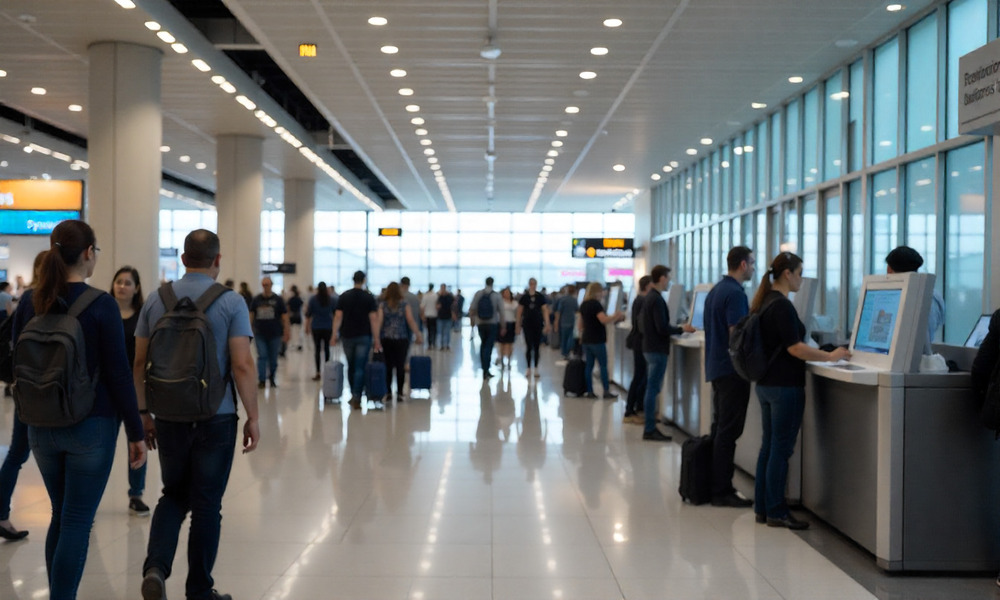 How Palma de Mallorca Airport’s Innovative Biometric Entry System Affects UK Visitors">

Introduction to Palma Airport’s Border Control Transformation
Palma de Mallorca Airport is set to introduce a state-of-the-art digital border control system starting November 19, 2025, impacting UK nationals traveling to Spain. This new biometric system replaces the traditional passport stamping method, aiming for a smoother, more secure travel experience within Europe’s Schengen Area.
What the New Biometric Entry System Entails
At the heart of this upgrade lies the European Union’s Entry/Exit System (EES), a biometric border management technology that collects facial images and fingerprints instead of manually stamping passports. Upon arrival at Palma Airport, UK tourists will be required to scan their passports and submit biometric data including four fingerprints and a facial photograph.
This data is securely stored in an EU-wide database, which records entry and exit times along with the traveler’s location across the Schengen zone. By digitally tracking visitor movement, the system aims to tighten security and monitor compliance with travel time regulations more accurately.
Initial Impact on Travelers
During the system’s initial rollout, travelers should anticipate longer wait times at border control. Airport staff and self-service kiosks will be adapting to the new technology, and traditional passport stamping will continue to be available temporarily. Eventually, manual checks will be phased out, with biometric verification handling all border entries and exits.
Expansion of the Digital System Across Spain and Europe
Following Palma’s introduction of biometric checks, other Spanish airports like Madrid and Menorca have started adopting the system. This digital transition is part of a wider EU effort to modernize border procedures across member countries, although the rollout pace may vary at different airports.
Additional Travel Authorisation Requirements: ETIAS
Alongside biometric control, UK visitors will be expected to obtain an electronic travel authorization known as ETIAS (European Travel Information and Authorisation System). This authorisation, which costs roughly €20 (~£18) and remains valid for up to three years, enhances pre-travel security vetting.
Applications for ETIAS will become mandatory once the border system is fully operational, streamlining access for travelers who comply with entry criteria.
Preparing for Your Trip to Majorca
UK nationals planning a journey to Majorca or any Schengen destination should ensure their passports are biometric and valid. Travelers are also encouraged to arrive at border control well ahead of time to accommodate potential processing delays during the transitional period.
Additional documentation such as hotel reservations, return flight tickets, and evidence of onward travel may be requested, so having these ready can help avoid complications.
Summary Table: Key Changes for UK Travelers at Palma Airport
| Aspect | Old Procedure | New Procedure Starting Nov 19, 2025 |
|---|---|---|
| Identity Verification | Manual passport stamping | Biometric scanning (facial recognition + fingerprints) |
| Data Storage | No digital retention of biometric data | Biometric data stored in EU database for 3 years or until passport expiry |
| Expected Wait Times | Typically short (manual check) | Possible delays initially as staff adapt |
| Travel Authorization | No ETIAS required | ETIAS mandatory application before travel |
How This Digital Shift Affects the Travel Experience
While the introduction of biometric controls may initially feel like a bureaucratic hurdle, the system promises significant long-term benefits. As biometric data is collected just once per traveler, subsequent entries into the Schengen Area should verify identity much faster, reducing wait times.
The enhanced tracking also assists in preventing overstays, a common concern with 90-day visa-free stays, by alerting authorities of travelers who exceed their permitted time.
Considerations for Tourists and Tourism Operators
Tourists embracing this change will find that the border experience becomes more streamlined in the future. Tour operators and travel service providers can also benefit from better-managed visitor flows, potentially reducing congestion at arrival points, which enhances overall satisfaction and safety.
Final Thoughts on the New Border Control Era
The move towards biometric border control at Palma de Mallorca Airport signifies a major leap in how tourism flows are managed. The emphasis on security and efficiency aligns with the evolving demands of international travel, where balancing convenience and safety is key.
Of course, no review or guide can match the insight gained from one’s own travel experience. With platforms like GetExperience.com, travelers have access to reliable, verified providers offering tours and excursions with transparent pricing. The site’s secure booking process with voucher confirmation and customization options ensures visitors can craft their perfect trip hassle-free, making the most of destinations under new travel protocols.
When planning a holiday to Spain or beyond, considering the broader cultural and touristic program is essential. GetExperience’s extensive selection of local tours, from eco-friendly wildlife safaris to interactive museum visits, caters to various tastes and budgets, complementing your journey through smoother border controls. Rezervujte si cestu s GetExperience.com dnes.
Wrap-Up: What Travelers Need to Know
The upcoming biometric border system at Palma Airport introduces a fresh chapter for UK tourists visiting Spain. Replacing passport stamps with facial and fingerprint recognition means a one-time data capture requiring no repeated manual checks for up to three years. The addition of the ETIAS authorization further secures travel while offering valid entry for multiple visits.
Though the transition may bring some initial longer waits and document requirements, this shift brings promise of improved border security and quicker passage over time. By staying informed and prepared, visitors can enjoy seamless entry into the Schengen Area, unlocking vast options of travel experiences enhanced by modern technology.
This evolution in border management supports a range of tourism adventures, from luxury yacht parties and cruise packages to interactive online cultural workshops and beginner esports coaching sessions, enriching the travel landscape with diversity and safety combined.