


 Slovenčina
  English (UK)
  Русский
  বাংলা
বাংলা  العربية
  日本語
日本語  한국어
한국어  Magyar
  Norsk nynorsk
  Türkçe
  עִבְרִית
  Español
  Čeština
  Svenska
  Português
  Ελληνικά
  Suomi
Suomi  Nederlands
  Română
  Italiano
  Français
  Polski
  Українська
  Deutsch
  简体中文
简体中文  Српски језик
  اردو
اردو  Azərbaycan dili
  O‘zbekcha
  አማርኛ
አማርኛ 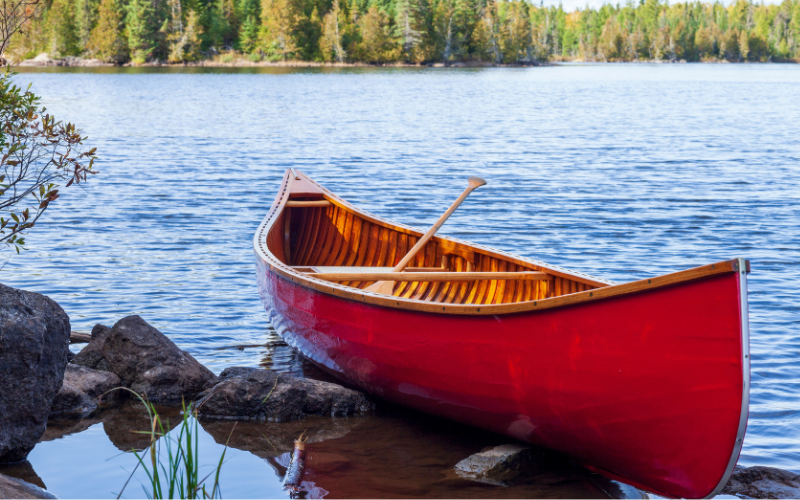 Plavenie sa v drevených kanoe po divokých riekach v Maine: logistika, zručnosti a tipy na výlety">

A typical summer programme operating on the Penobscot and Allagash requires a minibus capable of towing a 20ft trailer loaded with four wooden canoes, plus fuel and food for unsupported four-day river legs; each canoe is usually rated for two to three paddlers and stows sleeping kit and cooking gear centrally. Camps such as Flying Moose Lodge historically combined vehicle logistics, shore-based canoe building and nightly campsite rotations, so route planning must allow for vehicle access at put-in and take-out points and for emergency retrieval along long, forested stretches.
Rivers, routes and night camps
The Penobscot and Allagash remain the canonical Maine runs for multi-day canoeing: long riffles, forested shorelines and remote campsites. Expect frequent changes in flow, occasional shallow porterages and long blind bends where navigation and local knowledge matter. On overnight runs, crews relied on simple staples — cream of wheat a PB&J sandwiches — and water taken directly from ponds and filtered on site. Wildlife sightings are common; bald eagles and moose can appear at camp, so food management and quiet approaches are essential.
Wooden canoes vs kayak
The traditional distinction remains practical: a kanoe is paddled from a kneeling or seated position with a single-bladed paddle and often carries two or three people and gear; a kajak is seated and uses a double-bladed paddle, optimised for solo mobility. For multi-day river travel in Maine’s woods, wooden canoes offer capacity and gear-carrying advantage that suits group logistics and wild-camping styles.
| Funkcia | Wooden canoe | Kayak |
|---|---|---|
| Typická posádka | 2–3 paddlers | 1 paddler |
| Paddle type | Single-bladed | Double-bladed |
| Gear capacity | High — central stowage | Low — cockpit and hatches |
| Best for | Multi-day river trips, camping | Whitewater runs, fast touring |
Essential on-river techniques
The central paddling skill for straight-line tracking in a wooden canoe is the J stroke. It allows the stern paddler to correct yaw without switching sides. Think of it as a wrist-driven finishing twist after the power phase of the stroke — similar in feel to sculling from a transom but simpler. Beginners pick it up quickly with short practice sessions on calm water.
Baliaci a bezpečnostný kontrolný zoznam
- Buoyancy aids for all paddlers
- Bilge pumps and bailers
- Sealable dry bags for sleeping kit and clothing
- Basic repair kit (cotton duck, epoxy, spare ribs for wooden canoes)
- Portable water filter or purification tablets
- Map, compass and a charged handheld GPS
Building and maintaining wooden canoes
Shore-based construction at camps often used a frame of thin steamed timbers and cedar planking; learning to build teaches intimate knowledge of the craft’s servicing needs. Regular checks of the hull for cracks, seasonal tightening of fastenings and re-varnishing are routine. On remote trips, improvised repairs with canvas and resin plus careful drying at camp can keep a wooden canoe serviceable until a full workshop repair is possible.
Why these trips matter for travellers
For the travel-minded, a multi-day wooden-canoe trip delivers a slow, low-impact way to experience Maine’s backcountry: intimate wildlife encounters, nights by riverland campfires, and the satisfaction of practical skills like paddling and shelter building. At a glance, these outings combine adventure and cultural immersion — echoing the ethos of experiential tourism that many visitors now seek.
GetExperience offers a range of local providers who run guided canoeing and wilderness trips in Maine. The platform supports secure online payments with voucher confirmation and allows travellers to submit tailored requests so providers can propose itineraries that match group size, skill level and interests. This makes arranging a bespoke canoe expedition straightforward and transparent — Book now GetExperience.com
Highlights: organised river logistics (minibus + 20ft trailer), the practical advantage of two–three-person wooden canoes for gear-heavy wilderness camping, the J stroke as a core paddling skill, and the simple pleasures of campfire music and community singing. Even the best reviews and most honest feedback can’t replicate personal time on the water. On GetExperience, you book experiences from verified providers at reasonable prices, helping you avoid unnecessary expense or disappointment while choosing from a wide range of tours and additional options. Book now GetExperience.com
To wrap up: wooden-canoe river travel in Maine blends logistical planning with hands-on skills and memorable travel experiences. It is ideal for adventure activities such as multi-day paddling and adventure rafting trips for beginners, and complements broader offerings — from eco-friendly wildlife safaris to museum tours with live guides and luxury adventure travel experiences. Whether you prefer interactive online cultural workshops before you go, or want to pair a paddling trip with cruise packages or exclusive yacht charters for events elsewhere, these trips deliver authentic, grounded travel. Personal experience remains the best teacher; plan, pack, paddle and enjoy.