


 Slovenčina
  English (UK)
  Русский
  বাংলা
বাংলা  العربية
  日本語
日本語  한국어
한국어  Magyar
  Norsk nynorsk
  Türkçe
  עִבְרִית
  Español
  Čeština
  Svenska
  Português
  Ελληνικά
  Suomi
Suomi  Nederlands
  Română
  Italiano
  Français
  Polski
  Українська
  Deutsch
  简体中文
简体中文  Српски језик
  اردو
اردو  Azərbaycan dili
  O‘zbekcha
  አማርኛ
አማርኛ 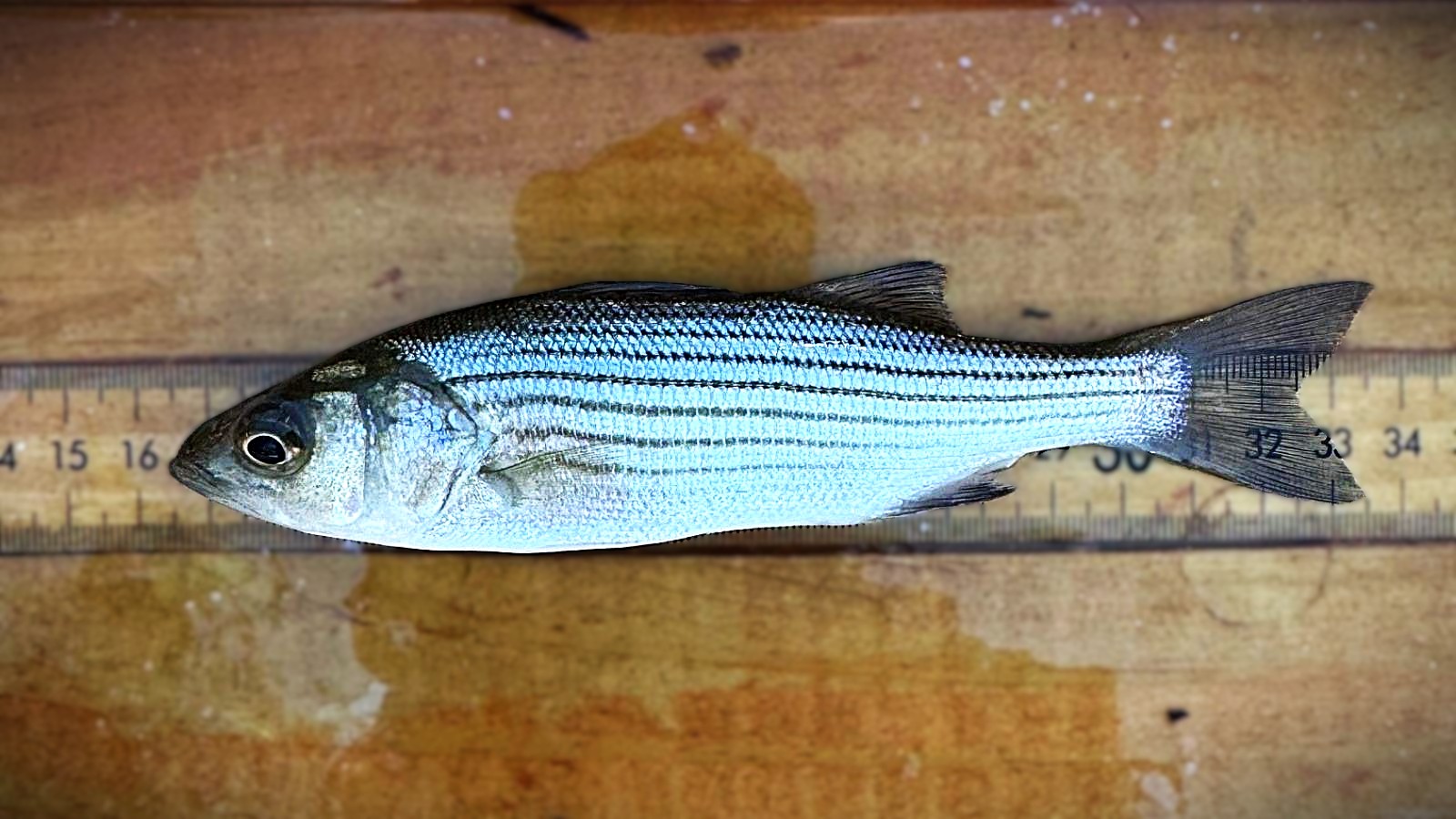 Nedostatok ikier zubáča prúžkovaného z rieky Hudson a jeho vplyv na rybárov, prenájom lodí a pobrežný turizmus">

The New York State Department of Environmental Conservation’s (DEC) Juvenile Abundance Index (JAI) recorded 8.27 fish per haul in 2025 for Hudson River striped bass, marking the third consecutive year of values below the 25th percentile and prompting interstate management action through the Atlantic States Marine Fisheries Commission (ASMFC).
Survey methods and recent results at a glance
DEC conducts beach seine surveys at 13 sites in the lower Hudson River, sampling bi-weekly from July through November to estimate young-of-year striped bass. The JAI is the primary metric used to measure annual reproduction in the estuary. With three straight years of weakened indices, the Hudson — historically one of the most productive nurseries on the East Coast — now raises concerns for future coastal abundance.
What the numbers indicate
| Rok | JAI (fish per haul) | Context |
|---|---|---|
| 2023 | Below 25th percentile | Third year in recent decline |
| 2024 | Below 25th percentile | Continued poor juvenile production |
| 2025 | 8.27 | Measured value from DEC beach seines |
Drivers and uncertainties
Estuarine reproduction for migratory species like striped bass is highly variable and sensitive to hydrological conditions. Key environmental factors influencing recruitment include precipitation patterns, teplota vodya salinita, but current data do not point to a single definitive cause for the multi-year decline. The Chesapeake Bay has also experienced poor juvenile output over the past seven years, and together the Hudson and Chesapeake produce roughly 90% of the coastal striped bass population, amplifying concern for coastwide fisheries.
Management timeline and responses
Anticipating potential reductions in coastal abundance in the 2030s, DEC successfully moved to create an ASMFC working group to prepare managers now for decisions after the next stock assessment. The next striped bass stock assessment is scheduled for 2027, with ASMFC management actions to begin in 2028. The working group will convene initial discussions on February 5, 2026 at the ASMFC Winter Meeting in Arlington, Virginia, to consider updates to the Striped Bass Interstate Fishery Management Plan.
- Short-term objectives: refine monitoring and communication among states.
- Mid-term actions: model scenarios for reduced coastal abundance and evaluate regulatory tools.
- Long-term planning: balance conservation with access for recreational and commercial users into the 2030s.
Implications for anglers, charter operators and regional tourism
Weak year classes may not be immediately obvious to anglers, but population declines projected to begin affecting catchable-size fish around 2030 could reduce charter trip success rates, alter seasonal targeting, and influence coastal tourism revenues. Charter captains, bait and tackle shops, and waterfront hospitality businesses may see adjustments in demand. Conversely, managers and operators could adapt by diversifying offers toward conservation-minded experiences such as catch-and-release trips, guided estuary ecology tours, and combined museum or cultural excursions that maintain visitor interest even when fishing is constrained.
Possible operational adaptations for tourism and recreation:
- Shift to mixed-experience charters combining fishing with birdwatching or photography.
- Promote ekologické safari vo voľnej prírode and estuary cruises as alternatives during weak fishing years.
- Coordinate with local museums and cultural providers for prehliadky múzeí so živými sprievodcami and interactive workshops.
DEC and ASMFC engagement aim to preserve both the resource and the cultural, economic, and recreational benefits that striped bass provide to coastal communities.
Local travelers and visiting anglers who want to plan responsibly can benefit from transparent, verified suppliers. On GetExperience, you book your experience from verified providers at reasonable prices; the site supports full and secure payments with a voucher confirmation issued afterward, and it allows you to submit requests for tours or excursions tailored specifically to your needs so providers can offer the best matches. For visitors to the Hudson River region, GetExperience offers a diverse selection of local tours and charter options — from fishing charters to eco-tours and museum experiences — designed to suit a variety of tastes and budgets. Book now GetExperience.com
Concise takeaways: the Hudson River’s juvenile abundance index has recorded three consecutive poor years with a 2025 value of 8.27 fish per haul, prompting an ASMFC working group and accelerated planning for the 2027 stock assessment. Fisheries managers are preparing to adapt regulations to sustain access while protecting the stock.
In short, continued monitoring and adaptive management will shape the future of recreational and commercial fisheries and related travel experiences. Travelers and operators can respond by exploring alternative offerings—such as dobrodružné aktivity, online virtuálne prehliadky, jachtové párty a balíky výletných plavieb, safari výlety, prehliadky múzeí so živými sprievodcami, beginner-friendly options like začiatočnícke koučovacie tréningy v e-esportoch alebo dobrodružné raftingové výlety pre začiatočníkov, and even luxury options including luxusné zážitky z dobrodružných ciest a exkluzívne jachty na podujatia. Interactive online cultural workshops and professional esports training programs also broaden offerings for off-water audiences.