


 Slovenčina
  English (UK)
  Русский
  বাংলা
বাংলা  العربية
  日本語
日本語  한국어
한국어  Magyar
  Norsk nynorsk
  Türkçe
  עִבְרִית
  Español
  Čeština
  Svenska
  Português
  Ελληνικά
  Suomi
Suomi  Nederlands
  Română
  Italiano
  Français
  Polski
  Українська
  Deutsch
  简体中文
简体中文  Српски језик
  اردو
اردو  Azərbaycan dili
  O‘zbekcha
  አማርኛ
አማርኛ 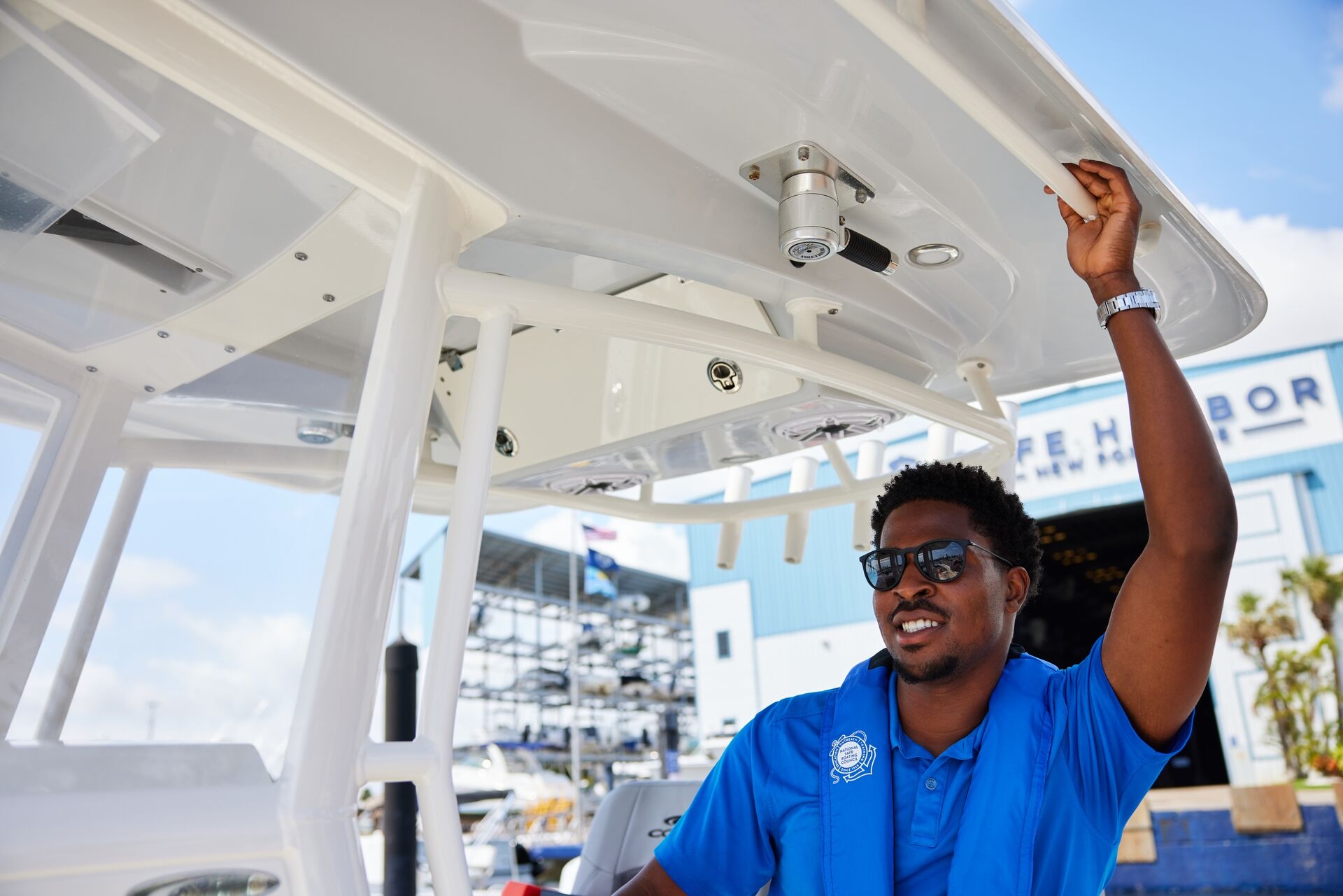 Pravidlá štátov, kurzy a praktické kroky na získanie preukazu vodáka v USA.">

Most U.S. states require a boater education card or boater safety certificate to operate motorized recreational vessels under specified conditions; requirements are typically tied to the operator’s age, vessel horsepower, and residency status, and many states recognize NASBLA-approved credentials for reciprocity.
State-by-state requirements at a glance
Regulatory details vary: some states require certification for operators born after a certain year, others set horsepower thresholds (for example, >10 HP), and a few impose additional rules for personal watercraft (PWC). Always verify with your state boating agency or marine patrol before planning a trip across state lines.
Quick checklist of common triggers for mandatory certification
- Vek limits — mandatory education for younger operators (often under 16–18).
- Výkon v konských silách thresholds — many states require cards for motorized boats above a set HP.
- PWC and certain vessel types — separate rules often apply to jet skis.
- Non-resident rules — visitors must follow the law where they boat.
Typical process timeline
- Enroll in an approved course (online or in-person).
- Complete coursework and pass the final exam.
- Receive immediate temporary certificate; permanent card mailed in several weeks.
- Carry the card when operating a vessel and obtain replacements if lost.
Approved courses and how to choose one
Most states accept courses approved by the National Association of State Boating Law Administrators (NASBLA). Popular providers include Boat-Ed, the U.S. Pomocné zložky pobrežnej stráže a Amerika. Boating Club (U.S. Power Squadrons). Choose a course that lists your state’s approval and clarifies reciprocity for out-of-state use.
Online vs. in-person
- Online courses — flexible, self-paced, often include unlimited exam attempts and instant temporary certificates.
- Osobne classes — good for hands-on instruction, local meeting with instructors, and networking with other boaters and tour operators.
What you’ll learn in a boater safety course
- Navigation rules and “rules of the road” for inland and coastal waterways.
- Required safety equipment and vessel inspections.
- Emergency procedures and accident prevention.
- Environmental responsibilities and state-specific laws.
Exam, card handling, and reciprocity
After finishing coursework, candidates take a multiple-choice exam. Passing yields a printable temporary certificate; the permanent lodiar education card usually arrives by mail in several weeks. Most NASBLA-approved cards are recognized across states, but local deviations exist — always carry your card and check destination rules before departure.
| Požiadavka | Common Threshold | Notes for Travelers |
|---|---|---|
| Vek | Under 16–18 | Young operators often must be certified or supervised |
| Výkon v konských silách | > 10 HP (varies) | Check local HP rules for lakes, bays, and coastal areas |
| PWC | Separate rules | PWC operators frequently face stricter age and certification limits |
| Vzájomnosť | NASBLA-approved | Most states accept NASBLA-approved cards; verify exceptions |
Practical tips for travelers and tour operators
For tourists booking boat tours or planning private charters, confirm whether the skipper or each operator needs a boater education card. Tour providers often require proof of certification for clients who will operate rented vessels. Carry identification, your card, and a temporary certificate if your permanent card hasn’t arrived.
Packing list for a boating day
- Boater education card or temporary certificate
- Government photo ID
- Personal flotation devices (PFDs) for all passengers
- Vessel registration and insurance documents
Obtaining a boater education card not only meets legal requirements but also enhances safety and confidence when joining guided excursions like yacht charters, cruise packages, or eco-friendly wildlife safaris. If you have a mind to join a boat tour abroad or locally, checking certification ahead is part of good travel logistics.
On GetExperience, you book experiences from verified providers with secure payments and voucher confirmation issued after purchase, plus the option to submit requests for tours or excursions tailored specifically to your needs — letting providers offer options that best match your preferences. On GetExperience, you book your experience from verified providers at reasonable prices, empowering you to make the most informed decision without unnecessary expenses or disappointments. Benefit from transparency, convenience, and a wide range of tours worldwide that suit any preference and budget. Book now GetExperience.com
In summary, most U.S. states require a lodiar education card based on age, horsepower, and vessel type; NASBLA-approved courses and providers like Boat-Ed make certification straightforward through online or in-person options. Carry your card, verify reciprocity before boating in another state, and consider certification essential for joining boat tours, yacht parties, safari tours, or cruise packages. Whether you’re preparing for museum tours with live guides on coastal stops, ordering yacht charters for events, exploring eco-friendly wildlife safaris, or trying adventure rafting trips for beginners, proper certification improves safety and enjoyment of travel experiences.