


 Slovenčina
  English (UK)
  Русский
  বাংলা
বাংলা  العربية
  日本語
日本語  한국어
한국어  Magyar
  Norsk nynorsk
  Türkçe
  עִבְרִית
  Español
  Čeština
  Svenska
  Português
  Ελληνικά
  Suomi
Suomi  Nederlands
  Română
  Italiano
  Français
  Polski
  Українська
  Deutsch
  简体中文
简体中文  Српски језик
  اردو
اردو  Azərbaycan dili
  O‘zbekcha
  አማርኛ
አማርኛ 
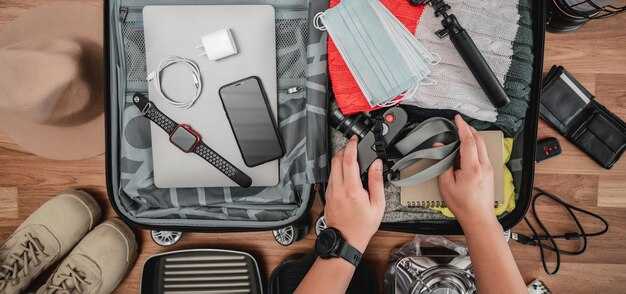
Vždy si zamknite batoh. s pevnými zámkami a pripevnite airtagy do hlavného priestoru. Tento rýchly krok vám pomôže sledovať pohyb a zníži riziko krádeže počas prepravy.
V mnohých letiskách a uličkách, majte peňaženky noste ich blízko a ak je to možné, noste ich na tele; does netrvá dlho, kým si pripomeniete, aby ste si dávali pozor na podozrivé tašky.
Poznajte leteckú spoločnosť príspevok a zbaľte s úmyslom; ťažšie predmety umiestnite do väčší pre praktické prenášanie a cennosti si uložte do vnútorných vreciek pre ľahký prístup.
On cesty cez world, pridajte do každej tašky sledovacie zariadenie: airtagy alebo podobné a watch pre upozornenia, ak sa od vás zatúla taška; ak štítok vykazuje neočakávaný pohyb, nahláste to a nárok zodpovednosť.
In hotely, umiestnite si vaše taška na podlahu ďalej od dverí a používajte trezor na cennosti, najmä keď je hotel plný.
Použite jednoduchú rutinu na watch vaše batožiny: kontrola pri každom nástupe a pripomenúť aby ste sa pred odchodom z priestoru sami uistili, že sú zipsy zatvorené a vrecká zapečatené. Dodržujte rozloženie easy na každodenné potreby.
Organizujte si veci pomocou malých vreciek, aby ste ich mali oddelené; toto užitočný prístup znižuje expozíciu a uľahčuje sledovanie mnohé položky v preplnených dňoch počas cesty.
S týmito krokmi, vy kvalifikovať pre bezpečnejšie cesty, aj v preplnených staniciach a uličkách, a vaše experience zlepšuje sa naprieč world cestovania.
Bezpečnosť na cestách: Sprievodca bezpečnosťou batožiny
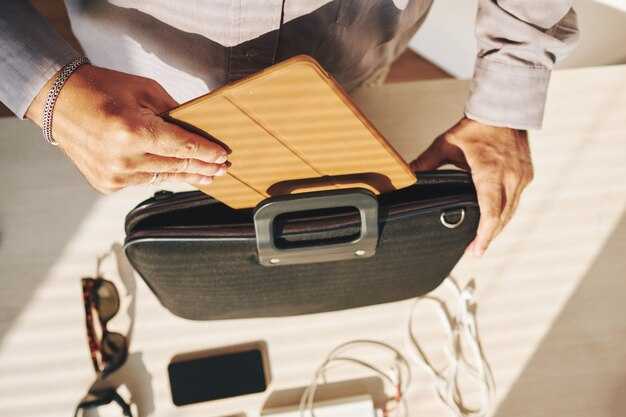
Použite TSA zámok na uzamknutie kufra a pripevnite naň pevný štítok na batožinu; tým zaistíte bezpečnosť vecí a urýchlite kontrolu, ak bude batožina vybratá na skríning.
Pred balením si skontrolujte pravidlá a obmedzenia leteckej spoločnosti na jej webovej stránke a overte si, či vaša príručná batožina spĺňa štandardné rozmery, ako napríklad 56 x 36 x 23 cm, alebo či je povolená osobná vec, aby ste sa vyhli poplatkom pri nástupnej bráne, ktoré sú pravdepodobné, ak prekročíte limity.
Zbaľte si niekoľko vrstiev organizácie: elektroniku do samostatného vrecka, tekutiny do priehľadného vrecka a ťažšie veci smerom k kolieskam; pomôže vám to udržať veci prístupné a rýchlo prejsť cez kontrolu.
Cestujúci by si mali uschovávať základné veci – pas, lieky, malú hotovosť – v príručnej batožine; mať ich blízko znižuje riziko straty a oneskorení, ak sa batožina odbavuje alebo dorazí neskôr.
Pri odbavení a počas kontroly presne deklarujte obsah; presné deklarácie zabraňujú oneskoreniam a nesprávnemu presmerovaniu, čím sa znižuje pravdepodobnosť dodatočnej kontroly.
Ak cestujete s viacerými batožinami, oboznámte sa s pravidlami poplatkov vašej leteckej spoločnosti; niektorí prepravcovia účtujú poplatky za každú batožinu navyše a za batožinu s nadváhou a na prepážke vám môžu byť účtované vyššie poplatky, ak prídete bez predchádzajúceho upozornenia. Uvedomte si, že sa môže uplatniť poplatok, ktorý sa účtuje pri batožine s nadváhou.
Zmeny v pravidlách, ktoré prinášajú nové predpisy, existujú; buďte informovaní a kontrolujte webové stránky cieľového letiska a oficiálnych leteckých spoločností, kde nájdete akékoľvek oznámenia, ktoré by mohli ovplyvniť prepravu alebo uskladnenie batožiny, aby ste predišli nepríjemným prekvapeniam pre cestujúcich.
Pre pokoj, majte kópiu detailov poistky a jednoduchý inventár v telefóne, aby ste ich v prípade potreby mohli ukázať personálu; pomáha to chrániť vaše veci a urýchľuje riešenie, keď vzniknú problémy.
Vyberte si tašky so vstavanými zámkami a funkciami proti krádeži
Vyberte si príručnú batožinu štandardnej veľkosti so zabudovaným zámkom a ochranou proti krádeži. Uzamykací systém navrhnutý inžiniermi a zosilnené zipsy zvyšujú bezpečnosť počas vnútroštátnych letov a v kabíne lietadla. Hľadajte zámok schválený TSA a uzamykateľné priehradky, ktoré zabránia manipulácii, keď ste na palube.
Skontrolujte, či zámok funguje, zipsy sa pohybujú hladko a či má taška vyhradené uzamykateľné vrecko na cennosti. To udrží veci v bezpečí, zatiaľ čo vy riadite zvyšok cesty. Nespoliehajte sa na šťastie – overte si to skoro, už pri balení.
Pre pohodlie si vyberte tašku s polstrovanými držadlami, ergonomickým popruhom a ľahkým rámom. Značka s kompletným servisom vám môže pomôcť s údržbou alebo opravami, ak sa počas cesty pokazí nejaká funkcia, vďaka čomu zostanete v pohodlí a taška bude pripravená na ďalšiu etapu.
Pri kontrole funkcií skontrolujte ľavú a pravú líniu zipsu, či nie sú uvoľnené, uistite sa, že zámok zapadá, a overte, či je k dispozícii uzamykateľné vrecko na cennosti. Kontrola teraz znižuje riziko počas letu a pri presunoch v kabíne.
Ak cestujete vnútroštátne, uprednostňujte tašku štandardnej veľkosti s kompaktným zámkom. Zmestí sa do priehradiek nad hlavou, leží v kabíne a udržuje vašu bezpečnosť. Udržujte minimálnu hmotnosť, aby ste si nenamáhali ruky, a majte svoje veci v bezpečí, aby ste boli pripravení na ďalšiu etapu.
Pamätajte na obmedzenia: žiadna taška nemôže byť 100% bezpečná. Kombinujte zámky s ostražitosťou, ukladajte cennosti do uzamykateľných vreciek a majte tašku počas presunov na očiach.
| Funkcia | Model A | Model B | Model C |
|---|---|---|---|
| Typ zámku | Built-in TSA combo lock | Lockable zipper sliders | Integrated cable lock option |
| Anti-Theft | Anti-slash fabric, reinforced seams | RFID pocket, lockable zippers | Hidden pockets and strap loops |
| Veľkosť | Standard-sized carry-on | Standard-sized carry-on | Medium carry-on |
| Ideálne použitie | Plane, cabin trips | Vnútroštátne lety | Long trips |
| Váha | 1.6 kg | 2.0 kg | 2.3 kg |
Label, Register, and Track Your Luggage to Deter Misplacement
Label every bag with a durable outside tag and an inside label bearing your honest contact details. Use a bright, compact tag and wrap it around the handle so it stays visible even if the bag is opened or left on the floor. This step reduces the risk of thefts and helps a bag become easier to locate in bins, giving much peace of mind during traveling.
Register your baggage in the airline system at check-in and use any available options to add a second contact method: phone, text, or email. If you aren’t reachable, honest staff can still locate the bag quickly, reducing the time it spends left unattended.
Attach a compact GPS or Bluetooth tracker to the suitcase and monitor it on your phone. Choose devices with real-time updates and long battery life, and keep the tracker ID handy for the airport desk. This has potential to guide you when a bag travels to another gate or is moved by staff, especially during transfers.
Carry essential items in your cabin bag and avoid stashing valuables in checked luggage. This minimizes losses if a bag is delayed and keeps you prepared for contingencies, reinforcing peace of mind during the journey.
During every layover, frequently check that the tag color and bag size match what you expect on the carousel. Look for the bag on every belt, and use the tracking app to confirm status. If you spot a bag that isn’t yours, don’t grab it; report it to desk staff immediately, and don’t let it get caught in a busy flow.
If a bag becomes missing, act quickly: file a report at the airport desk, share the tracker ID, flight number, color, and size, and coordinate with the carrier. The benefit is faster recovery and less disruption to traveling plans. If the bag is located, you’ll be asked to verify ownership using the inside label and receipts for needed replacements, so don’t forget to keep those handy.
Secure Bags in Transit: Use Airport Locks, Seals, and Proper Tagging
Lock every bag with a TSA-approved lock and apply tamper-evident seals before you check in. This protocol focuses on protecting your valuable items during transit, and it helps you spot tampering quickly at the desk when you claim your baggage.
Tag exterior and interior compartments with clear, durable labels. Always place the main tag on the front for quick identification and include a second tag inside in case the outer label tears off. Include your name, contact, and baggage allowance to streamline handling at transfer points.
Use tamper-evident seals on zippers for additional protection. There are differences between seal types–plastic, metal, or tape-like bands–so choose ones that hold up across routes and comply with airline policy. If a seal breaks, replace it before boarding the next leg.
Distribute items across multiple bags to balance weight and reduce risk. For compact carry-ons, keep daily essentials in the front pocket and place high-value items in a separate compact pouch; never store cash in a checked bag. For a duffel, use a smaller interior bag to separate valuables, and think about keeping an extra lock handy at the desk or in-room for quick re-securing later in the journey. Always lock every bag, even when you’re moving between gates.
During in-flight and onboard segments, keep hands free by tucking a jacket-pocket item close to you, and avoid leaving valuables in overhead bins. If you must move, carry only what you can secure on your person to save time and minimize risk.
Understand the limitations of locks: they deter theft but cannot guarantee safety. Think of them as a first line of defense for your back and baggage. Soon after landing, re-check the seals and tags, and remove outdated ones before you move to accommodations or the next leg. These steps are considered best practice for travelers using multiple bags, including a compact carry-on, a duffel, and a backpack.
Protect Valuables with Anti-Theft Accessories and Strategic Packing
Lock your main bag with a TSA-approved lock and attach a lightweight cable to secure it to a fixed anchor when you pause in lounges or transit areas. This wont slow you, and it is protecting belongings, both on the move and in hotels. That setup clearly qualifies as practical protection, and the method does save you stress in crowded spaces. Keep a clear line of sight to your bags.
Choose a compact anti-theft daypack with a hidden pocket near your shoulder. In that pocket, keep cards, a spare key, and medications; a second fast-access pocket holds travel documents. For the passenger next to you, coordinate placements so both of you stay protected; variations in trip length call for flexible organizers. It meets needs for solo travelers and passenger alike.
Distribute risk across pockets and bags so you navigate crowded terminals without exposing everything. Before you head out, dont keep every valuable item in a single place; move items across bags as you bring them over to the next station. In addition, use anti-theft zippers, locking sliders, and a small cable to attach to a chair or table when you pause over a meal.
In hotels, dont leave valuables asleep on a nightstand. Use the hotel safe for backups and keep a compact stash in your carry-on for daily trips. If you brought medications, store them in their labeled container and keep it near your daypack for quick access.
Advice from travelers highlights practical steps that reduce risk and avoid consequences. Think about your needs and adapt the plan to variations in crowd levels; always keep a spare card and a small amount of cash separate. If a bag is lost, the consequences can be significant; the quickest remedy is to rely on anti-theft accessories and smart packing. When using public computers or checkout kiosks, dont store PINs near keyboards or payment machines; use private devices and avoid typing sensitive data in public.
Remember to keep lots of well-placed pockets and distribute your carry across bags so every hand has a role in protecting items. You brought a few personal items? Place them in secure zones so dont worry at every turn; this approach works for all bags you travel with.
Unconventional Personal Items That May Qualify
Wear a jacket with a hidden inner pocket for pass and identification; this simple change keeps essentials closer to your body, making it easier to show ID at security and faster to move through checkpoints on airplane routes. knowing where each item lives helps you stay within safety limits and reduces the risk of leaving something behind.
- Hidden-pocket jacket: store pass and identification in a secure inner sleeve; wear this every day to keep valuables stored close and count quickly if needed at a checkpoint.
- Lockable tote with discreet compartments: choose a tote with lockable zippers and an inner pocket; use a small padlock to secure the main section when you set the bag down around terminals or on a train, and keep critical items stored away from casual access; never leave the tote unattended.
- Slim belt with a hidden pouch: carry emergency cash or a spare card; ensure the pouch is slim to wear around your waist and to stay within limits; use it for quick access in crowds.
- Pack-embedded pocket in a backpack: many backpacks offer an inner pocket for a backup card or folded ID; this keeps items stored out of the main compartment but still easy to reach, count, and verify at every check-in.
- Plastic card sleeves and small plastic cases: use a transparent sleeve for your identification and a separate card case inside the tote or backpack; this makes it easier to present details to staff and count items at the counter.
- Backup documentation in a plastic sleeve: store a clear copy of key IDs or a travel info card in a separate pocket; this adds value if originals are misplaced and helps during check-in and security checks.
Tip: Pair these with mindful habits–keep the jacket worn, keep bags in sight, and count valuables before each move to stay safe around busy areas.