


 Slovenčina
  English (UK)
  Русский
  বাংলা
বাংলা  العربية
  日本語
日本語  한국어
한국어  Magyar
  Norsk nynorsk
  Türkçe
  עִבְרִית
  Español
  Čeština
  Svenska
  Português
  Ελληνικά
  Suomi
Suomi  Nederlands
  Română
  Italiano
  Français
  Polski
  Українська
  Deutsch
  简体中文
简体中文  Српски језик
  اردو
اردو  Azərbaycan dili
  O‘zbekcha
  አማርኛ
አማርኛ 
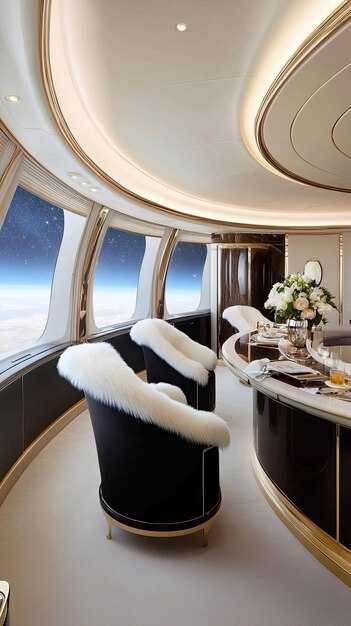
Odporúčanie: Choose the Global 7500 for nonstop reach and premium ambience that keeps teams productive from takeoff to landing. This aircraft blends range, cabin comfort, and reliability, which supports cross-continental missions across markets from singapore to major hubs worldwide. Make every mile count with a cabin that supports work, rest, and collaboration.
The Global 7500 delivers a range up to 7,700 nautical miles, enabling non-stop flights across oceans. It cruises at up to Mach 0.925 and maintains a ceiling near 51,000 feet. This combination makes takeoff effortless, typically requiring modest runway lengths for MTOW climbs, and supports operations across weather systems with steady climb performance.
The interior concept centers on natural light and comfort. Large, industry-leading window panes illuminate four living areas, while a modular cabin supports work zones, lounges, and rest spaces. The circadian-friendly lighting system shifts gradually with the day, helping passengers stay alert on long legs across time zones. This setup makes collaboration across teams smoother a more focused.
Production within the program ensures high-precision finishes and increased customization options. Operators can select finishes, textures, and seating configurations that align with brand identities, with expanded options for lighting, acoustics, and in-flight entertainment. In addition, the jet’s fuel-efficient systems, paired with optimized aerodynamics, help reduce operating costs on long flights. singapore fleets benefit from a support network that keeps service times brief and parts readily available.
Heres a concise evaluation checklist for your fleet: assess range against planned itineraries, verify window quality and natural light benefits, and confirm circadian-friendly lighting in the cabin; review fuel figures and maintenance intervals, and ensure production timelines align with delivery expectations. This approach helps you compare the Global 7500 with industry peers across sectors, and it highlights how a truly industry-leading platform can support cross-continental operations.
Global 7500 Core Capabilities in Real-World Operations

Choose nonstop routes when mtow margins allow, to minimize hops and fatigue.
In day-to-day real-world operations, the Global 7500’s core capabilities translate into reliable nonstop legs, strong mtow margins, and a cabin that reduces fatigue through daylight-adapted lighting, natural materials, and aesthetics that travelers appreciate.
These capabilities constitute a foundation for precise mission planning and safer, more comfortable flying.
Destination flexibility with substantial hauls lets operators choose a destination that minimizes refueling and maximizes productivity.
By optimizing the final leg, crews can maintain daylight flying windows and keep fatigue to a minimum.
Praetor-grade robustness helps the flight deck and systems stand up to high-utilization schedules, with automated checks and redundant paths.
Forward-looking partnerships with suppliers and manufacturers enable rapid parts availability and tailored solutions that address physical and natural operating conditions.
Increased efficiency is driven by the combination of optimized hauls, increased payload capacity, and a calm cabin environment that supports travelers and reduces planned downtime.
Known factors such as weather, daylight angles, and airport performance require flexible planning; the Global 7500 handles these with robust systems and flexible routing.
| Capability | Real-World Benefit | Practical Considerations |
|---|---|---|
| Nonstop range within mtow margins | Eliminates refueling hops, enabling predictable schedules and time-on-task | Route planning, headwinds, and fuel efficiency must be modeled for each mission |
| Cabin comfort and aesthetics | Reduces traveler fatigue and preserves focus during long flights | Lighting, humidity, and seating layouts should align with daylight cycles |
| System reliability and fault tolerance | Higher up-time across multiple legs, enhancing on-time performance | Preventive maintenance and redundancy checks are essential |
| Payload hauls and MTOW management | Maximizes payload and range efficiency to a chosen destination | Weight distribution and fueling plan impact climb profiles |
| Flight deck automation and forward-looking solutions | Faster situational awareness and decision support during busy schedules | Crew training and software updates keep systems current |
| Supply chain collaboration | Timely parts and tailored solutions from suppliers and manufacturers | Regular communication with vendors reduces turnaround times |
| Praetor-grade robustness | Resilience to dense schedules; equipment stands up to repetitive cycles | Usage patterns should align with preventive checks |
Nonstop Range for Typical Routes and Mission Profiles
Plan nonstop legs up to 7,500 nm at mach 0.85 for most typical routes; this delivers comfortable executive travel with minimal layovers.
The Global 7500 is built around a record-breaking range of 7,500 nm (13,890 km) at mach 0.85, cruising at altitude up to 51,000 ft. Its capabilities enable long hops with predictable performance in windshear and diverse weather, keeping schedules tight even on demanding itineraries.
Inside, the largest cabin in its class hosts four suites designed for work and rest. The entrance to the cabin is discreet, and the space remains sophisticated and comfortable for discerning crews and executive guests.
For typical mission profiles, expect nonstop legs well within the 7,500 nm envelope, such as New York to Tokyo (roughly 6,500–6,900 nm) or Dubai to the U.S. East Coast (about 6,500–6,800 nm). For routes near the edge of the range, plan a single strategic fuel stop rather than multiple layovers, which preserves privacy and keeps the schedule flexible for discerning crews while maintaining comfort and performance. That approach keeps you on schedule and preserves everything you need to stay productive.
In terms of range, altitude, and cabin layout, the 7500 sets a benchmark. The jet cruises at mach 0.85, with climbs toward mach 0.89 on lighter legs. At altitude, cabin pressure and temperature control deliver stable comfort for long flights. The civil-certified model offers consistent performance across a broad network of airports, ensuring crews can plan efficient routings and hit tight schedules while keeping everyone productive.
Cabin Zoning and Comfort: Seating Layouts, Privacy, and Noise Control
Configure three clearly defined zones: a front work lounge, a mid-cabin dining area, and a rear private stateroom with a lavatory. This zoning supports passengers on nonstop missions, enabling work, dining, and rest without interruptions as you arrive at the destination.
Choose a seating plan that accommodates up to 19 passengers and preserves a smoothest flow around the cabin. Use a large width across the central aisle and modular seating that can be rearranged for meetings or social time.
Privacy between zones comes from movable partitions, pocket doors, and acoustic screens that shield conversations from passengers in adjacent spaces. This separation allows focused work in the front, while conversations stay around the dining area and rest zones stay undisturbed.
Noise control relies on enhanced insulation, layered interior panels, and high-performance carpeting to reduce transmission through bulkheads. A chilled beverage service, discreet ventilation, and sound-masking profiles further contribute to the smoothest ambience across the cabin.
In selecting the layout, choose configurations that are customizable and suited to your mission profile. For buyers who want to purchase a new build or explore pre-owned options, each configuration is conceived to maximize privacy, comfort, and the perception of space around the four living areas.
Each zone includes a side-table for laptops, drinks, or documents, keeping essentials within reach around the seating. Accessibility to a lavatory from the rear areas is preserved, while the cabin network enables right-level control of lighting, climate, and sound, giving guests a tailored arrival experience after taxi and pushback from the airport.
York-inspired materials and textures create a refined atmosphere that enhances comfort and reduces fatigue during long trips. The design conceived here emphasizes a balanced flow between open social setups and intimate corners, ensuring you can switch between work, dining, and rest smoothly through every flight phase.
Interiors Customization: Materials, Lighting, and Personalization Options
Plan a larger cabin feel by pairing natural wood veneers with a rhythm-based lighting plan for ultra-long-range trip operations.
Materiály
- Natural wood veneers (walnut, oak) with aviation-grade finishes that endure cabin temperature shifts while delivering a warm, natural aesthetic on long trip scenarios.
- Premium leather and high-performance textiles in neutral hues; hypoallergenic, stain-resistant fabrics maintain privacy and appearance across many flights.
- Decorative sheet and panel finishes, including brushed titanium or satin chrome accents, plus innovative carbon-fiber inlays for a modern touch without extra weight.
- Floor coverings and acoustic elements from low-VOC materials to reduce emissions while boosting comfort and rhythm-based acoustics.
- Palette coordination with operator branding to support an accurate cabin story for both forward-looking and traditional markets.
Lighting and Atmosphere
- Rhythm-based lighting that supports circadian timing and combats fatigue, with warm tones for rest and brighter tones for work, lowering eye strain on long flights.
- Zoned ambient, task, and reading lighting with indirect ceiling panels to minimize screen glare, preserving point clarity on displays.
- Tunable color temperature 2700K–6500K and high-CRI sources that keep skin tones natural, especially when youre preparing a presentation or conducting a video call.
- Controls at each seating point plus a centralized app for operators and executives, ensuring easy adjustments from anywhere in the cabin.
- Energy-efficient design and smart scheduling to lower operating power while preserving comfort, so youre chilled when you want to rest and alert when you need to work.
Personalization Options
- Modular seating configurations that support both private meetings and relaxed downtime; swap from lounge to conference layouts quickly to suit the moment.
- Retractable privacy screens and acoustical partitions to create private zones wherever required, preserving confidentiality in aviation operations.
- Amenities such as a chilled beverage cabinet, coffee station, and compact pantry to elevate the trip for executives and operators alike.
- Storage and surface choices that reflect your brand identity; accent panels, veneers, and trims to ensure a cohesive look across all zones.
- Advanced work surfaces with integrated outlets and wireless charging; USB-C/USB-A and universal outlets at multiple touchpoints for convenience.
- Falcon-inspired ergonomic seating geometry that improves lower back support and sustains focus during long-duration legs of the trip.
- Layouts that adapt wherever the mission requires, with privacy and visibility controls that match diverse regional needs.
- Dedicated cabin controls for each zone, plus remote management options to support operators during operational flights.
- Warranty and service programs tailored to ultra-long-range operations, ensuring durable performance and rapid part replacement when needed.
- Privacy-focused design notes and secure storage options to maintain data confidentiality during international flights in aviations networks.
- Strategic point-to-point planning enables privacy and comfort on every leg of the plan, ensuring youre prepared for any meeting or rest need.
Connectivity and Cabin Tech: SATCOM, Wi‑Fi, and In-Flight Collaboration
Install a dual Ka‑band SATCOM system with steerable antennas and automatic failover to a leading provider such as Jet ConneX, ensuring reliable internet across the world’s daylight routes and over oceanic shadows.
Pair the airframe’s connectivity with a robust cabin network that separates passenger and crew needs, delivers high data throughput, and maintains strong performance even as ground networks join the data stream at airport gates. This approach lowers latency, reduces gaps in coverage, and provides a consistent experience for both personal devices and onboard collaboration tools.
- Satcom architecture and data flow – Use leading-edge dual-path Ka‑band + L‑band guard to support record-breaking peak speeds while preserving lower latency during busy flight phases. Configure the system for four operating configurations: Passenger Internet, Flight‑Deck Telemetry, Corporate Collaboration, and Maintenance/Operations data. The setup ensures operators and subsidiaries can access a common network representation across routes without recalibrating settings at each stop.
- Wi‑Fi and network management – Deploy cabin access points with smart QoS to prioritize critical calls and real-time collaboration while maintaining comfortable streaming for personal devices. Create distinct SSIDs for personal devices, flight‑deck devices, and crew operations to keep capacity optimized and to minimize interference from baggage‑handling data at gate areas.
- In‑flight collaboration and devices – Enable cross‑device pairing for screen sharing, document editing, and real‑time conferencing. Passengers can pair personal devices with cabin displays or handheld remotes, while crews use secure channels to synchronize flight plans, weather charts, and maintenance checklists without stepping outside the cabin’s secure network.
- Security, safety, and operational discipline – Implement end‑to‑end encryption, VPN tunnels for external access, and device management policies to protect content while preserving a fast, seamless experience. Regularly audit the network configuration to ensure consistency across routes and to support baggage handling data links and airport‑side operational feeds.
- Performance targets and flight planning – Align capacity planning with route density and aircraft use cases. Expect sustained data rates that support HD video calls, real‑time file transfers, and cloud collaboration, with automatic throttling during taxi and takeoff to maintain safe thrust and flight‑deck communications.
Practical tips to elevate connectivity today:
- Define the four configurations upfront and standardize profiles for all flights, so crews and IT can deploy quickly at departure airports.
- Schedule periodic bandwidth tests during daylight routes to validate reliability across different satellites and weather conditions, adjusting beam selections as needed.
- Run a passenger privacy plan that isolates guest traffic from critical cabin operations while preserving a smooth internet experience for personal use.
- Store key security updates offline when possible and push patches remotely during stable cruise phases to avoid interruptions during critical phases of flight.
Operational Planning: Takeoff/Landing Performance, Fuel Burn, and Airport Accessibility
Validate takeoff performance for the current weight, runway length, elevation, wind, and temperature, maintaining a safety margin of 1.2–1.5x the published distances. Ensure equal distribution of baggage and passengers to optimize CG and wingspan loading, allowing balanced lift from brake release to liftoff.
Under hot and high-density-altitude conditions, testing and adjustments are essential. Use manufacturer guidance and real-time data to set flaps, power settings, and rotation timing. In daylight, coordinate with ground ops to minimize runway occupancy and curbside delays; ensure lighting and communications support a smooth, silent transition from taxi to takeoff. This planning process supports an elegant and luxurious operational rhythm across environments.
Fuel burn planning centers on choosing the right cruise speed for each leg. Target mach 0.85–0.90 when time allows, adjusting for headwinds and tailwinds to manage longer legs efficiently. Plan for step climbs to keep engines in efficient envelopes and avoid unnecessary burn. Leverage automation and flight-planning tools to deliver reliable projections and allow fast re-optimization when weather shifts; this combination guards against surprises and preserves privacy and comfort in the cabin during ascent and cruise.
Airport accessibility focuses on selecting facilities that support VIP operations: private parking, dedicated ground handling, and proximity to the terminal to reduce taxi time. The airport offers federal and local-regulation support, with smooth security and, for international trips, customs handling that matches your schedule. Ensure hepa filtration, cabin lighting, and privacy features are tuned for daylight or night operations; verify baggage handling and close coordination with ramp teams to keep baggage secure. Look for spaces that feel close yet comfortable and, where possible, a wingspan-conscious layout that fits gate and taxiway constraints, delivering a luxurious, flexible workflow for guests and crew alike.