


 Slovenčina
  English (UK)
  Русский
  বাংলা
বাংলা  العربية
  日本語
日本語  한국어
한국어  Magyar
  Norsk nynorsk
  Türkçe
  עִבְרִית
  Español
  Čeština
  Svenska
  Português
  Ελληνικά
  Suomi
Suomi  Nederlands
  Română
  Italiano
  Français
  Polski
  Українська
  Deutsch
  简体中文
简体中文  Српски језик
  اردو
اردو  Azərbaycan dili
  O‘zbekcha
  አማርኛ
አማርኛ 
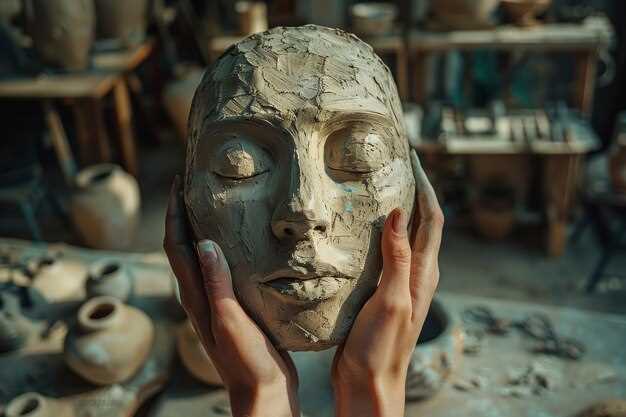
Franz Xaver Messerschmidt, an enigmatic figure of the eighteenth century, continues to hold a special place in the history of sculptural expression. Known for his extraordinary ability to depict human emotions through exaggerated facial features, his work serves as an important bridge between traditional sculpture and the psychological explorations that characterize modern art. This article will explore the context of Messerschmidt’s creations and provide comparisons with other famous artists, like William and Gerard, shedding light on their interplay during this fascinating period.
During his years at the Academy and in his workshop in Bratislava, Messerschmidt spent significant time refining his techniques and focusing on self-portrait sculptures. Through these pieces, he invites visitors to interpret the aberrations and complexities of human emotion, a fact that has drawn countless art enthusiasts to exhibitions featuring his work. Furthermore, Messerschmidt’s sculptural style suggests a profound fascination with the extraordinary, illuminated by the light of cultural shifts in his time. His unique approach holds a mirror up to the human condition, challenging viewers to confront their own feelings and perceptions.
In this exploration, we will delve into the important themes found in Messerschmidt’s oeuvre and the implications of his artistic choices. By analyzing the self-portraits and their emphasis on the duality of human nature, we will unveil the layers of meaning that lie beneath the surface. Through the eyes of modern curators and art historians, we can gain insight into how Messerschmidt’s work resonates today, inviting comparison with the ongoing evolution of artistic expression. Ultimately, this examination will reveal why Messerschmidt remains a compelling figure in the realm of sculpture, as his art holds secrets that continue to intrigue and inspire.
Early Years
Franz Xaver Messerschmidt was born in 1736 in the city of Munich, a significant cultural center in Bavaria during the 18th century. His early exposure to the arts came through the teachings of notable masters, including Johann Baptist Straub. Although resources were limited at that time, young Messerschmidt began developing his skills as a sculptor in a workshop situated on Rennweg, where he honed his craft and absorbed the art of representation in sculpture. This formative period was marked by a growing fascination with the interplay of light and shadow, elements that would permeate his later works.
By around 1750, at the age of 14, Messerschmidt became a student at the Academy of Fine Arts in Munich. During these crucial years, he studied the techniques of classical sculpture, which laid the foundation for his artistic identity. His commitment to mastering the standards of academic art did not deter him from exploring more innovative ideas, leading him to experiment with sculptural forms that would eventually define his style. A couple of years later, he undertook a commission that would establish his reputation and serve as a turning point in his career.
In addition to formal education, Messerschmidt’s work was influenced by contemporaries such as William Hogarth, whose stylistic choices resonated with him. His sculptures, including those of special character, reflected a complex understanding of human emotions and expressions. Moreover, he began to view art not just as a means of aesthetic pleasure, but as a vehicle for exploring the mysteries of the human condition. This perspective was revolutionary for his time and attracted attention from both local and international critics.
As Messerschmidt matured as an artist, he traveled to various cultural hubs, including Bratislava, where he engaged with diverse artistic communities. His commitment to exploring new ideas and techniques marked a period of significant development in his work. Today, visitors can view photographs and prints of his most famous sculptures, which continue to evoke fascination and offer insight into the complexities of human emotion. The belvederes of his mind, coupled with a rich array of expressions, make it clear that Messerschmidt was destined to become a master of sculptural expression.
Birth and Background
Franz Xaver Messerschmidt was born in 1736 in Pressburg, now known as Bratislava, Slovakia, a region rich in cultural history. Raised in a family that appreciated artistry, he found himself surrounded by a diverse array of influences from both artists and physicians. His fascination with the human character likely stemmed from the unique environment of the Savoy-Carignan court, where he absorbed various artistic techniques. This exposure paved the way for his later developments as an acclaimed artist, specializing in expressive portraiture.
In 1757, Messerschmidt enrolled in the Academy of Fine Arts in Vienna, a prestigious institution that served as a launchpad for many famous artists of the time. Here, he honed his skills in sculpture and began to explore the fascinating phenomenon of human expression. He created a series of dramatic sculptures known as “Charakterköpfe,” which showcased not only his technical prowess but also his deep understanding of human emotions and aberrations. These works would later suggest that he was not simply a craftsman but a true visionary who sought to capture the complexities of the human psyche.
| Rok | Udalosť |
|---|---|
| 1736 | Born in Pressburg (Bratislava) |
| 1757 | Enrolled in the Academy of Fine Arts, Vienna |
| 1770. roky | Created the famous “Charakterköpfe” series |
Throughout his life, the enigma of Messerschmidt’s character has fascinated curators and art historians alike. His ability to render the human head in such a vivid and expressive manner can be seen as a reflection of his own struggles and experiences. Although many details about his life remain elusive, his sculptures continue to resonate with audiences, inviting them to explore deeper meanings about the human condition and the nature of artistic expression. What lies behind each of these heads is not merely a representation, but an invitation to view the world through Messerschmidt’s unique lens.
Artistic Influences
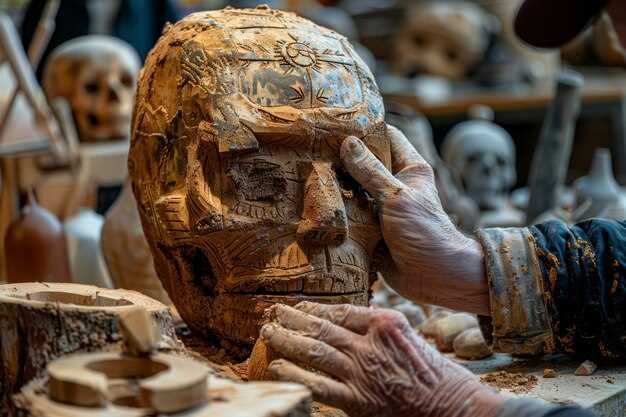
Franz Xaver Messerschmidt’s artistic journey reflects a fusion of various influences that shaped his approach to sculpture. Among his contemporaries, he was particularly drawn to the works of other renowned artists, such as William Hogarth and Johann Georg Straub. Their ability to convey emotions through exaggeration resonated with Messerschmidt, leading him to explore the depths of human expression through his own unique style.
Messerschmidt’s time in Pressburg (now Bratislava) and the workshops he frequented played a crucial role in his development as an artist. During this period, he encountered various styles and techniques that were prevalent in the region. This exposure led him to experiment with the concept of Charakterköpfe, or character heads, which would define much of his later work.
Moreover, his relationship with the Savoy-Carignan prince allowed him to delve into themes of nobility and societal representation. This connection not only provided him with patronage but also served as a window through which he could explore the complexities of the human psyche and society’s expectations. The extreme contrasts he depicted in his heads reflect a fascination with the mysteries of human emotion.
Throughout his career, Messerschmidt applied a variety of techniques that demonstrated his mastery over sculptural forms. His ability to manipulate clay and other materials to create vivid representations of emotional states set him apart as a master of his craft. Curators today address his work with admiration, emphasizing the profound understanding he held of his subjects.
One fascinating aspect of Messerschmidt’s work is how he seemed to ignore conventional beauty in favor of authenticity. This decision led him to create pieces that hold a certain power, resonating with visitors on a psychological level. Such a focus on raw expression sparked discussions around the boundaries of art, inviting comparisons to the works of artists who also prioritized emotional depth over aesthetic perfection.
In examining the artistic influences on Messerschmidt’s oeuvre, it becomes evident that he spent years internalizing ideas from various sources. His communication with contemporaries and reflection on society’s dynamics often manifested in his artistic output. For those interested in exploring Messerschmidt’s work through exhibitions and print, many tips for appreciating his philosophy can be found in curatorial notes.
Finally, visitors to museums showcasing Messerschmidt’s pieces can engage deeply with the layers of meaning present in his work. Each head tells a story, inviting audiences to take a closer look at the human condition. Through such an examination, Messerschmidt remains one of the most intriguing figures in the history of sculpture, holding a mirror to society while unraveling the mysteries within.
Education and Training
Franz Xaver Messerschmidt’s artistic development was significantly influenced by his education and training, which provided him with a solid foundation in the arts. Born in 1736 in an area that is now part of Austria, he likely found inspiration from various artistic sources available around including local sculptors and traditional craftsmanship. His early education in the fine arts at the academy allowed him to refine his skills, focusing on the representation of the human form.
Messerschmidt’s formal training included studying under prominent artists of his time, which deeply permeated his understanding of classical techniques. This exploration of sculpture began to shape his unique style as he focused on characteristic heads alebo Charakterköpfe. This term reflects his interest in individual facial expressions and character portrayals, which became a hallmark of his work. Through this academic lens, he learned to manipulate materials, conveying complex human emotions.
Although he spent time in various cities, including Bratislava, it was Vienna where he truly found his artistic voice. The environment of the Austrian capital offered a wealth of artistic influences, and the works of established sculptors began to impact his ideas. It’s here that he might have first been encouraged to explore deeply expressive portraiture, breaking away from the more conventional representations favored during the eighteenth century.
By February of 1770, Messerschmidt had gained recognition and was commissioned to create works that veered towards the human condition’s psychological depicturing. He was able to mold his sculptures into a form that not only displayed the exterior but also delved into the complexities of humanity. These sculptures often ignored traditional aesthetics, presenting instead a raw and truthful representation of human emotions.
A noteworthy aspect of Messerschmidt’s education was the impact of teaching and mentorship. Collaborating with contemporaries such as Gerard Straub, he engaged in a dialogue that challenged conventional artistic practices. This sharing of ideas among artists led to innovations that characterized the eighteenth-century scéna umenia.
Messerschmidt’s dedication to exploring facial expressions through his sculptures poses a fascinating comparison to other artists of his time. His works invite viewers to reflect on the deeper psychological aspects of the human experience. In fact, it is this significant focus that differentiates him from his peers, as he crafted sculptures that serve as psychological studies, offering viewers a glimpse into the emotional states of his subjects.
In the decades following his most productive period, Messerschmidt’s genius became increasingly recognized. His works, such as those displayed at the Belvederes, continue to provoke discussion and admiration among contemporary audiences. Today, the legacy of his education and training is evident in how artists approach character representation, reflecting the enduring influence of Messerschmidt’s innovative methods and ideas.
Maturity
Franz Xaver Messerschmidt’s maturity as an artist is reflected in his extreme ability to capture the complexities of human expression. Since the late 18th century, his sculptures have served as important examples of how artists like him ventured beyond traditional portraiture, focusing instead on the depths of the human psyche. His works, commissioned by various patrons including the notable Prince, became a unique address to the experience of humanity. In this context, Messerschmidt harnessed ideas he might have developed during his time at the academy, where he encountered a couple of influential figures, including Johann Hogarth. This exchange of ideas in his workshop led him to explore the enigma of the facial expressions that transcend commonplace beauty, emphasizing the inner struggles experienced by individuals, perhaps as a reflection of his own life experiences.
Moreover, Messerschmidt’s later sculptures suggest a departure from merely decorative styles prevalent during his early career, which are often marked by pomp and superficiality. Instead, he began to produce works that were more dynamic and expressive, utilizing his understanding of psychological states and hallucinations to create extreme contrasts. His sculptures, displayed in exhibitions on Rennweg, remain a testament to his innovative exploration of form and content. In doing so, he distinguished himself from his contemporaries, aiming to forge a deeper connection with his audience. Accordingly, the ideas permeated within his work resonate with a profound truth about the human condition, prompting further comparisons to both classical works and modern expressions of humanity, as seen in various photography albums and portraits that capture the essence of his genius.