


 Slovenčina
  English (UK)
  Русский
  বাংলা
বাংলা  العربية
  日本語
日本語  한국어
한국어  Magyar
  Norsk nynorsk
  Türkçe
  עִבְרִית
  Español
  Čeština
  Svenska
  Português
  Ελληνικά
  Suomi
Suomi  Nederlands
  Română
  Italiano
  Français
  Polski
  Українська
  Deutsch
  简体中文
简体中文  Српски језик
  اردو
اردو  Azərbaycan dili
  O‘zbekcha
  አማርኛ
አማርኛ 
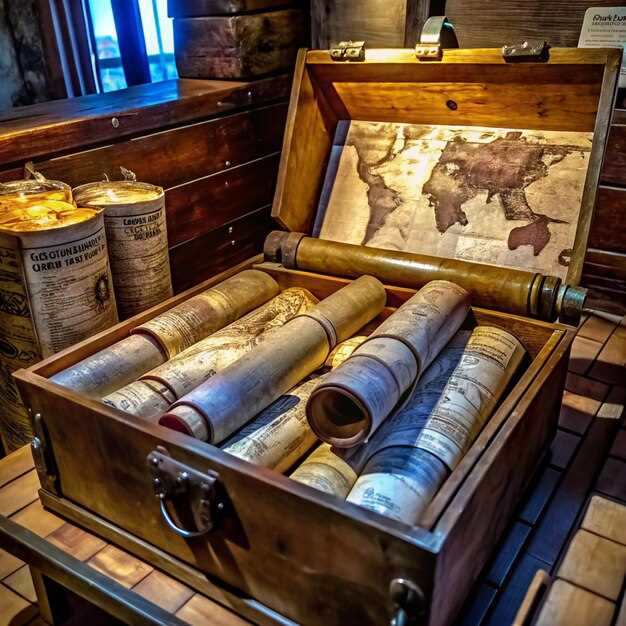
The Imperial Treasury Museum, known as the Wiener Schatzkammer, is a profound repository where the stones of history are embedded within its walls. Divided into several sections, this museum offers a fascinating glimpse into the imperial past, showcasing the most outstanding pieces of the Habsburg Empire. Each panel and display reveals relics that have escaped the passage of time, including crown jewels adorned with diamonds and precious metals that symbolize the power of past rulers.
Between the massive wooden doors of the Schatzkammer, visitors are transported to an era of opulence and authority. This journey through history includes artifacts from the mid-17th century, such as the famous reliquary of St. Stephen and the ornate cross that captured the imagination during the Catholic Counter-Reformation. These heirlooms, enriched with stories from the Gonzaga family and adorned with intricate craftsmanship, serve as a testament to the intertwined fates of art and power that have shaped the cultural landscape of Europe.
Not only does the museum boast material wealth, but it also showcases the artistic endeavors of its time, with examples spanning the globe–from the Eastern lands of Mexico to the local monasteries of Vienna. Visitors will find themselves surrounded by artifacts that represent not just the Habsburgs but also the broader tapestry of European history. This is a place where every corner tells a story, from the elaborate lance of an emperor to the humble objects of prayer used in daily life.
The Wiener Schatzkammer is more than just a collection; it is a realm where the past and present converge. It invites art enthusiasts and history buffs alike to delve deeper into the narrative of a bygone empire, making it a must-visit destination for those who wish to explore the complexities of human legacy.
Discovering the Highlights of the Imperial Treasury
The Imperial Treasury Museum, or Wiener Schatzkammer, is an impressive collection that offers a journey through the history of the Habsburg dynasty. This treasury has been meticulously curated since the early days of the Austro-Hungarian Empire, housing remarkable relics that once belonged to emperors and empresses alike. As you step into this adventure, you’ll encounter items such as the cross of the Holy Lance, a beautiful relic that has adorned altars and served as a proclamation of power for the rulers of the past. Each room in the treasury is primarily dedicated to different aspects of Habsburg tradition, where every piece has a story to tell, from the intricate reliquary of Saint Maria to the starry portraits of the late dukes and their personal treasures.
In the heart of the treasury lies the Gonzaga chapel, a sanctuary that encapsulates the spiritual essence of the Habsburgs. Here you can find a collection of outstanding artifacts, including the iconic unicorn horn, believed to possess magical properties. The rooms are filled with artifacts that reflect the intersection of arts, religion, and politics, where every item displayed contributes to a larger narrative about those who ruled. While many artifacts have escaped the ravages of time, the treasury continues to honor the legacy of its founders by showcasing exquisite pieces that connect generations, making it a true kaiserforum for those seeking to appreciate the rich tapestry of history.
Famous Artifacts You Shouldn’t Miss
The Imperial Treasury Museum, known as the Wiener Schatzkammer, houses a remarkable collection of priceless artifacts that speak volumes about the power and legacy of the Austrian rulers. One of the most famous items on display is the Crown of the Holy Roman Empire, worn by numerous emperors, showcasing the intricate artistry that befitted such high status. This stunning piece, adorned with beautiful diamonds and gems, is a testament to the importance of regalia throughout history, holding a significant place in the hearts of many.
Among the treasures, visitors can also admire the magnificent wooden cross that is believed to have once held a nail from the crucifixion of Jesus. This ancient item not only serves as a religious relic but also as a reminder of the deep roots of faith in the region. The cross is particularly fascinating as it symbolizes the intersection of spirituality and power, as rulers oversaw both governance and the church.
An impressive panel depicting Charlemagne is another must-see artifact. This piece highlights the connection between leadership and the arts, emphasizing the way rulers throughout history used culture to solidify their power. The artistry involved in this ancient work reflects the values and aesthetics of the time, allowing viewers to step back into a world where authority was often displayed through artistic endeavors.
| Artefakt | Popis |
|---|---|
| Crown of the Holy Roman Empire | A stunning crown adorned with diamonds, worn by emperors as a symbol of their power. |
| Wooden Cross | A relic believed to contain a nail from the crucifixion of Jesus, merging faith and rule. |
| Panel of Charlemagne | An impressive artwork that highlights the arts’ role in expressing leadership. |
Adding to the allure of the treasury is the famed Unicorn Tapestries, a series of intricate artworks that combine myth and reality. These pieces, known for their beautiful craftsmanship and narrative depth, are considered some of the largest tapestries created in the Middle Ages. They symbolize the chase of the elusive unicorn, an allegory of desire and purity, further deepening the mystique of the displayed artifacts.
Today, the Wiener Schatzkammer offers a journey through time, showcasing objects that have left an indelible mark on history. Each item, whether it be the glimmering diamonds or ancient wood, tells a story of power, faith, and artistry that continues to captivate visitors. With each artifact carefully curated, the museum ensures that the legacies of the past remain secure and accessible for future generations.
As you explore the various treasures, consider the intricate relationships between the ruler, the art, and the society that produced such masterpieces. The experience can feel like an adventure through an arch of time, where every piece holds its own weight in history. The Wiener Schatzkammer not only preserves these remarkable items but also honors the rich cultural tapestry of the Habsburg dynasty, making it a must-visit destination for anyone interested in the arts and history.
The History Behind the Crown Jewels
Stránka Imperial Treasury Museum, located in the Hofburg Palace, houses a magnificent collection of crown jewels that have been significant relics of power and piety throughout history. These priceless treasures, divided into various categories, illustrate the lineage and the importance of the Austrian emperors and empresses. For centuries, the crown jewels served as symbols of authority and legitimacy, often adorned with sparkling diamonds and other precious gems.
Many of these pieces can be traced back to ancient kingdoms. They have been passed down through generations, with some escaping the clutches of war and destruction. During the Counter-Reformation, for instance, the crown jewels were transported to secure locations to protect them from looting. One notable example is the lance that is said to have pierced the side of Jesus, which carries great historical significance. Its association with religious events adds layers of meaning to the collection.
As time progressed, the significance of such relics continued to grow. Emperors and empresses throughout history have customized and added to their insignia, reflecting the shifting power dynamics of Eastern Europe. The Gonzaga family has been one of the more notable examples, as they contributed to the jewels with their own artistic embellishments. This cross-pollination of artistic styles can be seen in the way each piece has been constructed over the years.
Stránka kunsthistorisches museum not only showcases the physical beauty of these artifacts but also gives visitors insight into the cultural and political influences of their times. For those interested in art and history, the museum provides a deeply enriching experience, filled with stories about each piece. It is a chance to explore how these historical inscriptions have shaped identities and national pride.
Today, the crown jewels continue to attract visitors, serving as a testimony to the past. In the Schweizerhof room, one can find examples of the most remarkable treasures, each piece a testament to the grandeur and artistry of its era. These relics not only honor past rulers but also remind us of the importance of history in shaping our present. The crown jewels stand as a bridge between eras, splendidly highlighting the eternal human pursuit of beauty and power.
Architectural Splendor of the Museum
Stránka Imperial Treasury Museum, alebo Wiener Schatzkammer, showcases an incredible blend of architectural elements that reflect the grandeur of the Austrian Empire. Housed in the historic Hofburgský palác, the museum reveals the importance of its artifacts through its stunning design. Each room is adorned with massive arches and intricate moldings, allowing visitors to experience the historical significance of the treasures within. The chapel-like ambiance creates a sense of piety, elevating the viewing experience of these incredible relics.
As visitors step into the first section, they are immediately captivated by the golden crowns and regalia belonging to emperors and empresses who ruled the vast empire. The glass displays hold several pieces from the Eastern tradition, including a magnificent broach made from narwhal tusk, reflecting both artistry and craftsmanship. Each item tells a story of its own, giving a fascinating glimpse into the lives of those who have held such prestigious titles.
In addition to the treasures, the museum offers sections dedicated to various historical events, allowing for an adventure through time. One can learn about the different rulers, such as the famous Charlemagne, and their contributions to the empire. The layout is intentionally organized for convenience, guiding the audience through a well-structured pathway that highlights the significance of each piece.
Exploration of the Wiener Schatzkammer will leave an indelible impression on visitors. The architectural splendor not only showcases the museum’s holdings but enhances the overall viewing experience. From the late Gothic elements to the Renaissance touches, it becomes clear that the structure itself is much more than a mere backdrop to the incredible treasures; it is an integral part of the story that unfolded in this storied palace.