


 Slovenčina
  English (UK)
  Русский
  বাংলা
বাংলা  العربية
  日本語
日本語  한국어
한국어  Magyar
  Norsk nynorsk
  Türkçe
  עִבְרִית
  Español
  Čeština
  Svenska
  Português
  Ελληνικά
  Suomi
Suomi  Nederlands
  Română
  Italiano
  Français
  Polski
  Українська
  Deutsch
  简体中文
简体中文  Српски језик
  اردو
اردو  Azərbaycan dili
  O‘zbekcha
  አማርኛ
አማርኛ 
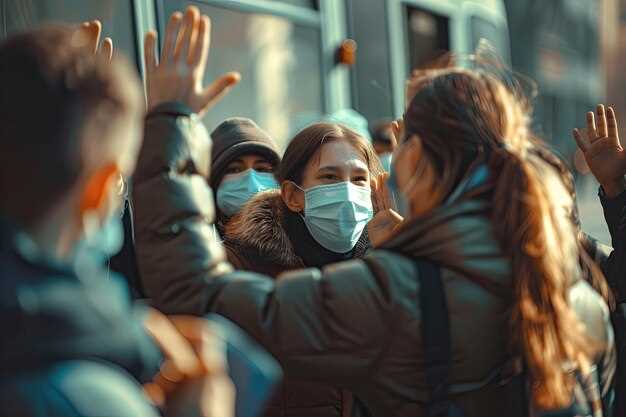
The coronavirus crisis has tested the limits of healthcare systems across Europe, revealing both strengths and weaknesses in public health measures. As nations grappled with an unprecedented outbreak, the importance of mutual support became evident. Countries such as Denmark and Slovakia quickly mobilized resources to protect their populations, sharing critical items like masks and disinfectants within their borders and with their neighbours. The European Union, through its commissioner, stated that maintaining adequate healthcare for all patients is crucial during such a crisis, ensuring that no state must face these challenges alone.
In the midst of the pandemic, the availability of essential devices and surgical protocols played a vital role in managing the situation. As hospitals in Milan reported increasing numbers of intensive care patients, states across the union took action to support each other. Helicopters were deployed to transfer patients between regions, and additional beds were provided in emergency response hospitals. The importance of these actions highlighted the need for a coordinated European response, which became essential as the situation progressed.
By November, the steps taken by member states showcased a united front against the crisis. Europe stood together to protect its citizens, implementing measures that included publicly available healthcare resources and the distribution of protective equipment. This solidarity not only helped mitigate the immediate risk of COVID-19 but also set a precedent for future cooperation. As the pandemic illustrated the fragility of our systems, the European Union’s commitment to mutual support has never been more vital for the well-being of society.
Coordinated Response Efforts
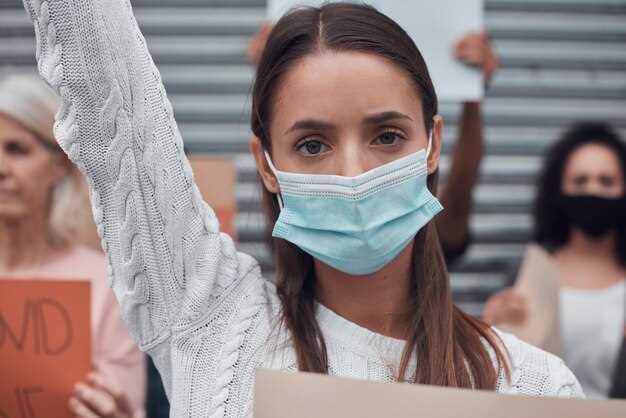
During the pandemic, European nations demonstrated a strong commitment to solidarity through coordinated response efforts. Mechanisms were established to streamline communication and facilitate rapid assistance among states. For example, Estonia took the initiative to create an interactive platform that helps coordinate the transport of essential medical supplies, such as surgical masks and ventilators, from countries that had a surplus to those that faced critical shortages. Local hospitals were able to receive support efficiently, with mutual aid coming from neighboring countries, ensuring that every patient had access to much-needed hospital beds.
The media played a crucial role in disseminating information about available resources and protocols tailored to combat the challenges posed by the coronavirus. Initiatives included organized flights for transporting healthcare workers and delivering much-needed supplies. Ageism became a topic of discussion as society re-evaluated the importance of helping the elderly and vulnerable populations during these times of risk. Publicly available sources clarified the roles of different stakeholders, ensuring that everyone knew how they could contribute. As November approached, the collective efforts of European states underlined the importance of standing together, proving that through coordination, even the greatest challenges could be met effectively.
What are the main initiatives launched by the EU?
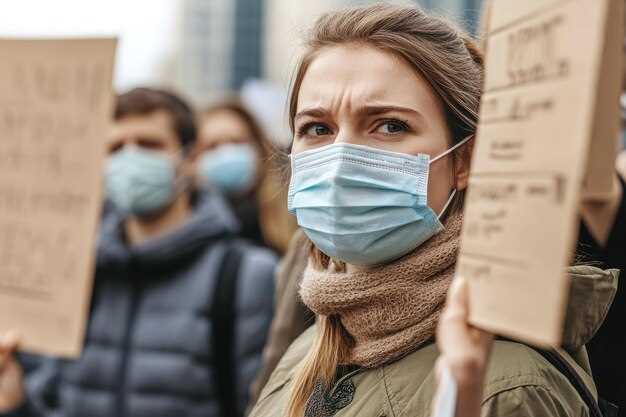
In response to the outbreak of the coronavirus, the European Union launched several initiatives aimed at supporting its member states and their neighbours. One of the most significant efforts was the establishment of the EU Civil Protection Mechanism, which facilitated the rapid transport of essential medical supplies and equipment to regions in need. This included sending overalls, masks, and other protective gear to frontline workers in countries like Italy, which was severely affected in the early months of the pandemic.
Moreover, the European Commission developed protocols to ensure the ongoing flow of goods, including food and other essential supplies. By reducing trade barriers and establishing a common approach to transport, the EU aimed to safeguard food security and ensure that vulnerable communities could access what they needed. This joint action was critical for maintaining stability and coherence across the union during a time of heightened risk.
In January, the EU launched the “Team Europe” initiative, sharing resources and support equally among member states and the western Balkans, which includes Georgia, Macedonia, and Montenegro. This cooperative approach not only focused on immediate healthcare needs but also aimed at assisting independent initiatives that combat ageism and provide social support for the most affected groups in society. It was a powerful reminder that in challenging times, solidarity is essential.
Additionally, the EU invested in extensive information campaigns to educate the public about the virus and the necessary health protocols. The COVID-19 pandemic revealed the lack of access to healthcare for many people in different regions. The EU’s response required continuous engagement with citizens to ensure everyone was informed about preventive measures, vaccination efforts, and available resources.
Ultimately, these initiatives highlighted the EU’s commitment to solidarity and cooperation, enabling member states to stand together against a common threat. By pooling their resources and expertise, the European Union demonstrated that collective action not only helps in crisis management but is also crucial in building resilience for future challenges.
How are member states collaborating on health measures?
Throughout the crisis initiated by the coronavirus pandemic, European Union (EU) member states have demonstrated unprecedented cooperation in health measures. Countries like Hungary and Greece have publicly shared their strategies to protect their populations. This exchange of information has been crucial for those nations that faced similar challenges and have needed to act quickly to safeguard their communities from the virus.
In the early months of the pandemic, professional health organizations across the EU facilitated regular contacts among medical experts. For instance, Czechia and Austria shared their experiences with hospitals adapting to the growing number of patients. This collaboration ensured that adequate healthcare resources were made available to those regions most affected by the virus.
Moreover, the EU established a mechanism for distributing essential items such as protective equipment and medicines. This solidarity has been particularly evident in the case of refugees from Ukraine and Serbia, who received assistance from neighboring countries, ensuring their health needs were not overlooked. Member states recognized the importance of remaining united, realizing that the virus does not respect borders.
Since the beginning of the pandemic, the Union has reserved resources for member states facing severe outbreaks. As seen in Macedonia and Estonia, timely interventions have been coordinated to support the healthcare systems under strain. This methodical approach is crucial for maintaining a healthy population throughout the crisis.
Communicative initiatives have also played a pivotal role. The EU’s health security committee has worked to clarify and streamline procedures among member states, facilitating better understanding of shared goals in crisis management. This transparency is essential for a smooth collaboration and helps to reinforce trust among nations.
As we move into October and beyond, the commitment to collective health measures must continue. It is imperative that countries help each other, particularly as new variants of the virus emerge. Members should stay alert and work together to adapt their strategies based on real-time data and the experiences of others.
Overall, the collaborative efforts demonstrated by European nations throughout this crisis have set a precedent for future public health responses. The ability to adapt and learn from one another, while also reaching out to those in need, particularly refugees and vulnerable populations, is vital for maintaining public health in the long term.