


 Slovenčina
  English (UK)
  Русский
  বাংলা
বাংলা  العربية
  日本語
日本語  한국어
한국어  Magyar
  Norsk nynorsk
  Türkçe
  עִבְרִית
  Español
  Čeština
  Svenska
  Português
  Ελληνικά
  Suomi
Suomi  Nederlands
  Română
  Italiano
  Français
  Polski
  Українська
  Deutsch
  简体中文
简体中文  Српски језик
  اردو
اردو  Azərbaycan dili
  O‘zbekcha
  አማርኛ
አማርኛ 
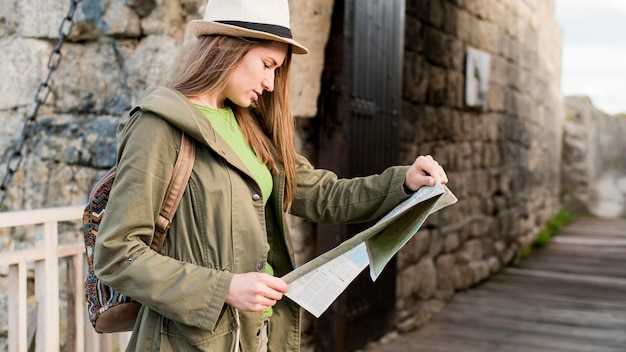
Začnite s praktickým plánom.: vyberte si centrálnu skupinu hotelov ako svoju základňu, zmapujte si zoznam 3 miest, ktoré musíte v každom meste vidieť, a zarezervujte si dni. Tento bod vás udrží podporované efektívnymi vlakmi a spoľahlivou prepravou, takže vám zostane čas na prestávky na kávu a skoré aperitívo. Ak začnete tu, vyhnete sa preplneným uliciam a plytvaniu energiou a zabezpečíte si, že zažijete to najlepšie z každej zastávky.
Medzi mestami sa presúvajte hlavne vlakmi a v mestách sa pohybujte pešo. streets aby ste cítili pulz mestského života. Jazda v historických centrách je zriedka nevyhnutná; ak si prenajímate auto, vopred si overte trasy a uličky a vyhnite sa dopravnej špičke. Váš hotely pomôže s taxis zariadenia a zdieľať miestne tipy, podporené ich sieťami v kingdom Talianska.
Pre mladších cestovateľov sú pohlcujúce zážitky lepšie ako dlhé rady. Vyhraďte si čas na ikonické landscapes a prechádzky v prírode a plánujte si rána s čerstvou šálkou kávy pred tým, než sa začnú tvoriť davy. V mestách a obciach objavíte živé places s remeselnými obchodíkmi a priateľským personálom, ktorý vám môže ponúknuť odporúčania. Večerný aperitív na námestí dediny je dokonalý spôsob, ako sa zoznámiť s miestnymi a ostatnými objaviteľmi.
Poznámka: Existuje zriedkavý prípad, keď vidiecke mestá s obmedzenými službami vyžadujú flexibilitu plans. Ak si prenajmete auto, aby ste sa k nim dostali, jazdite za denného svetla a dodržiavajte miestne dopravné predpisy. Vopred si overte čerpacie stanice a pokrytie mobilným signálom a prispôsobte si itinerár tak, aby ste vyvážili prehliadku pamiatok s oddychom, aby ste zostali nabití energiou na nasledujúce dni.
Nakoniec si chráňte svoj čas a rozpočet uprednostnením 3–4 miest, ktoré musíte vidieť, a nechajte spontánne objavy vyplniť medzery. Keď budete organizovaní, všimnete si, ako káva, aperitív a ľudia, ktorých stretnete v živých uliciach, výrazne obohatia vašu cestu. Táto stratégia vám umožní pohybovať sa s istotou a urobí vaše talianske dobrodružstvo skutočne príjemným.
Nerobte Tieto Chyby: 9 Turistických Prešľapov v Taliansku: Tipy, ktoré Vám Pomôžu na Vašej Ceste
Tip 1: Ubytujte sa v jednej oblasti a zdržte sa na každom mieste dlhšie. Nech už bývate kdekoľvek, vyberte si centrálny bod a naplánujte si 4–6 dňové bloky, aby ste si pobyt užili. Vyhnite sa presúvaniu medzi mestami každý deň; pomalšie tempo znižuje čas strávený prepravou a čakanie v rade na hlavných atrakciách. Plánujte si trasu rozumne: dopoludnia preskúmajte múzeá, popoludnia prejdite trhmi a večery strávte na námestí s brioškou a kávou.
Tip 2: Preskočte rady s časovo obmedzenými online lístkami a dávajte si pozor na skryté náklady, ako sú coperto a servisné poplatky. Pri obľúbených pamiatkach cena lístka často nezahŕňa povinný poplatok za vstup; pred objednaním si prečítajte poznámky. Ak je ponúkaný sprievodca, porovnajte ho so sprievodcom so zvukovým sprievodcom, aby ste ušetrili peniaze a stále rozumeli umeniu.
Tip 3: Začnite s raňajkami v miestnom štýle: brioška a espresso za 2–3 eurá, nie ťažké croissanty. Ak sa zastavíte v kaviarni, môžete si všimnúť poplatok coperto; pred objednaním sa informujte o cene. Na obed vyskúšajte jednoduchý kúsok pizze na rušnom námestí pre autentickosť a hodnotu.
Tip 4: Preskúmajte nielen slávne hlavné mestá, ale aj severné mestá a pobrežné oblasti, aby ste vyvážili svoju trasu. Zamerajte sa na niekoľko skvostov v danej oblasti a stretávajte sa s miestnymi obyvateľmi na trhoch a v malých trattoriách. Pomôže vám to pochopiť miestne tempo a vyhnúť sa davom pri centrálnych pamiatkach a zároveň ochutnať autentické jedlá na každej zastávke.
Tip 5: Naplánujte si dopravu kombináciou rýchlych a pomalších regionálnych vlakov. Ak cestujete na dlhšie vzdialenosti, kúpte si železničné preukazy, ale regionálne linky si zarezervujte vopred, aby ste sa vyhli prázdnym miestam. Keď cestujete, zbaľte si ľahké veci, aby bola prechádzka príjemná a nechajte si miesto na improvizované zastávky. cestovatelia z Hong Kongu a Venezuely zdieľajú tipy; berte na vedomie, ale buďte flexibilní.
Tip 6: Vystúpte na veže s výhľadom: Pisanská veža a mestské veže ponúkajú ikonické miesta na fotografovanie, ale overte si otváracie hodiny a limity vstupeniek, aby ste predišli plytvaniu. Ak sa rozhodnete vystúpiť, šetrite sily a vezmite si vodu; snažte sa využiť skoré časy, aby ste prekonali teplo a davy.
Tip 7: Nakupujte a stravujte sa mimo najrušnejších trás; nájdete lepšiu hodnotu a menej poplatkov. Prečítajte si komentáre od miestnych a stálych zákazníkov, aby ste odhalili autentické miesta a vyhli sa falošným remeselným stánkom. Prispôsobte svoje nakupovanie a stravovanie svojmu tempu a štýlu cestovania namiesto toho, aby ste naháňali zoznam "toho najlepšieho".
Tip 8: Chôďte pešo, kedykoľvek je to možné; vyberajte si pešie trasy, ktoré vám umožnia nasať atmosféru ulíc, trhov a architektúry. Používajte mapové aplikácie, aby ste boli v bezpečí a vyhli sa vracaniu; v niektorých mestách nájdete pôvabné uličky, ktoré vyzerajú ako línia farieb a chutí. Nezabudnite si vyhradiť čas na zmrzlinu alebo briošku na tienistej piazzette.
Tip 9: Vyvážte ultra-plánované dni s voľným časom, aby ste si mohli užiť miestny rytmus; flexibilný plán vám pomôže prosperovať, najmä v menších mestách. Pochopenie otváracích hodín, radov a miestnej etikety uľahčuje vašu cestu a zároveň ponecháva priestor pre spontánne objavy a záverečné gelato, ktoré chutí ako domov.
Vyhnite sa týmto bežným chybám pri plánovaní cesty do Talianska

Naplánujte si 7–10-dňovú trasu po 2–3 regiónoch, aby ste si vychutnali bohatšie kulinárske zážitky a dali posvätným miestam čas rozvinúť sa.
Vyhnite sa preplnenému harmonogramu; rezervujte si vopred úseky vlakov s vysokým dopytom a miesta v múzeách a spoznávajte miestnych pomalými večermi v každom meste, zostaňte organizovaní a doprajte si jeden deň odpočinku medzi hlavnými zastávkami.
Stanovte si denný rozpočet v eurách a vopred si poznačte potenciálne poplatky. Používajte jednu kartu na platby a malú záložnú sumu v hotovosti na miestne trhy; pomôže to vyhnúť sa prekvapivej faktúre na konci vašej cesty. Ak používate svoj iPad na ukladanie lístkov, fotografií a máp, zostanete flexibilní.
Používajte ipad alebo telefón na ukladanie lístkov, máp a rezervácií. Vytvorte si jednoduchý vyhľadávací súbor s adresami a otváracími hodinami a prispôsobte si nastavenia pre offline mapy a základné jazykové tipy, aby ste zostali flexibilní.
Jar aj prechodné obdobia ponúkajú menšie davy a bohatšie zážitky; zvážte návštevu menších miest, aby ste sa vyhli typickým hotspotom a objavili priestory, ktoré pôsobia intímnejšie.
Využite výhody trhov s čerstvými potravinami, ale dávajte si pozor na pasce pre turistov v blízkosti hlavných atrakcií; plánujte si cestu s miestnou mapou, aby ste našli skutočné stánky a vyhli sa pasci predražených pochúťok.
Ak plánujete ďalšiu etapu, naplánujte si ju tak, aby ste mali celé dni voľné na spontánne objavy a dlhé obedy. Cieľom je cítiť sa prepojený s každým miestom, nie uponáhľaný.
| Deň | Mesto | Zamerať sa | Odhadované denné náklady (eur) | Tip na rezerváciu |
|---|---|---|---|---|
| 1 | Rome | Koloseum a Centro Storico | 160 | Online vstupenky bez čakania v rade |
| 2 | Rome | Vatikánske múzeá, Trastevere | 140 | Večerné prechádzky, využívať hodiny mimo špičky |
| 3 | Florence | Duomo, Uffizi | 150 | Rezervujte si miesta online |
| 4 | Florence | Nábrežie Arna, štvrť remeselníkov | 120 | Choď pešo, vyhýbaj sa preplneným taxíkom |
| 5 | Benátky | Námestie svätého Marka, Grand Canal | 170 | Zaobstarajte si lístok na Vaporetto pre mobilitu |
| 6 | Benátky | Múzeá alebo ostrovy Murano/Burano | 130 | Naplánujte si jednodňový výlet trajektom |
| 7 | Rome | Rozlúčkové jedlá, štvrte | 110 | Návrat na letisko rýchlovlakom |
Plánovanie návštevy: ročné obdobia, davy a ceny
Choose shoulder seasons–April to May or September to October–for a better balance of weather, crowds, and prices. Hotels and trains typically offer 10–30% savings compared with peak summer, and many museums schedule cheaper morning slots, helping visitors stretch their budget and skip the worst lines.
Arrive at popular sites in the morning to avoid overcrowded lines; midweek mornings are noticeably lighter than weekends, and you can reserve time for a leisurely lunch or a stroll through a nearby square, helping them see more without the rush.
Smart booking matters: last-minute deals show up in the countryside, but for major cities book 6–8 weeks ahead to lock in better prices and reliable seat choices on trains.
Autumn weather is uneven across regions: cool mornings, warm afternoons, and rain in the mountains; layer your wardrobe to stay comfortable and flexible with changing plans.
Crime remains low in main squares and stations, but petty theft targets crowded places. Keep valuables in close pockets and use hotel safes when possible, especially during travel between towns.
To feel the heart of Italy, blend city sights with countryside experiences; find little towns where you can savor local cuisine and chat with italians. Someone in your group can appreciate a slower pace, so plan a day in a village between two busy cities; this rhythm helps both first-time visitors and seasoned tourists.
Basic planning keeps you from skipping essential experiences; outline a 5–7 day route focused on one region, mix in a morning museum visit with a countryside stroll, and leave room for last-minute discoveries. Ensuring you have time for a morning market or a sunset view makes the trip richer and more affordable.
Budget smartly: money-saving tips, currency handling, and passes
Open a no-foreign-transaction-fee card before you go and use local ATMs to withdraw euros; you’ll instantly cut costs compared with airport exchanges. Pay in euros where possible to keep rates straightforward, and keep a small cash stash for piazzas and casual buys like a latte or a quick slice of pizza.
- Passes that fit your itinerary. If you’ll visit multiple galleries, museums, or fountains and ride transit often, a city pass can give you value. Roma Pass 48 hours runs roughly €28–€30 and 72 hours about €38–€40; compare with separate ticket costs for the sites you truly plan to see. Exception: if you’re staying mainly in one area or only hitting a couple of attractions, skip it and buy tickets individually.
- Currency handling that reduces confusion. Use euros at the point of sale and decline dynamic currency conversion at checkout. Withdrawing cash from local ATMs usually beats currency exchange counters for rates and fees, so plan a few withdrawals rather than one large pull. Keep a simple money list in your phone and a small backup card in your suitcases; losing one card isn’t the end of your trip.
- Daily budgeting that sticks. Outline a rough daily cap: breakfast €2–€4, latte €1.5–€3, pizza slice €4–€8, mid-range dinner €12–€25 per person in non-touristy areas. Eat where locals eat, skip ultra-touristy hours, and reserve splurges for evenings or Christmas markets when you’ve already scoped prices in advance.
- Smart planning ahead. Create a short itinerary that groups romes by neighborhood to reduce transit, and build in a gallery visit or two near the piazzas you’ll already stroll. A concise list keeps you focused and avoids wasting time and money on backtracking.
- Packing and transport logistics. Travel light with suitcases that fit on buses and trams to dodge extra luggage fees and delays. A compact daypack helps you carry water, snacks, and a city map–and you’ll feel freer hopping between trains and buses.
- Practical tips to avoid confusion. Learn a few phrases to ask for prices and discounts (for example, “How much is this?” and “Do you have a student discount?”). With a curious mind, you’ll catch deals you’d otherwise miss and feel more confident in lines and ticket desks.
- Seasonal considerations. During Christmas or peak holiday periods, prices rise and crowds grow; buy passes ahead of time and plan early-evening visits to major sites when lines thin out. Even small adjustments can save much, and you’ll enjoying the quieter hours.
- Extra safeguards and support. Keep digital and paper copies of reservations, hotel contact info, and emergency numbers. If you misplace something, you can quickly pivot your plan and still keep an eye on your money and schedule.
- Budget-friendly urban tips. Wander romes and piazzas on foot to spot free viewpoints and quick photo ops. A gallery visit can be combined with a stroll and a quick coffee break at a corner bakery–saving time and money while enriching your itinerary.
Think ahead to manage your money and time: you’ll find it easier to enjoying every moment when you have a clear sense of costs, a simple list of priorities, and a practical plan for managing funds across busy days and sparkling evenings.
Practical itinerary design: crafting a realistic route that minimizes backtracking
Begin with a compact city loop that links must-see spots by proximity, then add nearby places to move along without backtracking. This approach reduces stress, frees moments for curious detours, smooths logistics, generally gives each traveler a chance to complete booking tasks at hotels nearby, and having lighter shoulders, while steering them toward smarter paths.
Draft a day-by-day skeleton that centers on 3-4 core stops and a 2-3 hour move between them, preferably by rail or a fast road. In a city with cobbled lanes and narrow streets, prioritize hotels that anchor you near the station or a pedestrian zone, and design routes across familiar neighborhoods to reduce the risk of getting lost. Use clean navigation cues so you and your group can judge timing by the looks of the clock and the place you want to visit next.
Lock in booking details early, but keep a buffer for changes: secure hotels near transit hubs, reserve seats on popular routes, and set flexible check-in when possible. This guards against missed connections and stress moments, while letting you shift a leg if a museum line runs late. A considered pace makes the experience fair for everyone, and respect to the effort you put in keeps logistics tidy by tagging each hotel to a single transit corridor and using simple navigation.
Illustrative three-city template: begin in a central city such as Rome, spend a day hitting the Colosseum and Trastevere, then move across to Florence by morning train, and finish with the Cinque Terre coast by regional lines. Keep each leg under two hours and base yourself in a smart hotel cluster in each city to avoid backtracking. Add a low-key detour to a cliff overlook amid sheer cliffs and a cobbled lane with curious shops, then loop back along the waterfront to your station. If a playful nod helps morale, a kong-inspired lookout can brighten moments without adding distance.
Keep a lean checklist before you go: mark the route across the map, note each place, and flag weather or crowd moments; tune the pace if you feel fatigue, and trim a detour to save effort. The result is a smarter, smoother rhythm with fewer missed chances and more time for meals, views, and real sense of place.
Mastering trains and local transport: booking tips and rail passes

Book high-speed trains 4-6 weeks ahead to lock affordable fares on Frecciarossa and Italo networks. Use trusted official apps from Trenitalia and Italo to compare schedules, seat options, and reservations where needed. Where you plan a trip-, a quick check on these apps saves time and stress while you sip a morning espresso. This approach works for travelers across the world.
For routes on Frecciarossa, Frecciargento, and Italo, expect mandatory seat reservations on most long-distance legs; costs range roughly €4-€20 depending on route and class. Regional trains are cheap but slower; you must validate paper tickets or activate digital ones before boarding. If you won’t be rushing, you can ride multiple legs in a day without a pass, but reserve where seats matter. If you’re tired, consider off-peak options to save both time and money.
Consider a rail pass only if you will travel three or more long-distance segments in a two-week window. Eurail Italy Pass or Interrail Italy Pass offers flexible travel on most Italian trains; compare to point-to-point tickets for your dates. A pass can be cheaper if you plan multiple city hops, especially on weekends when last-minute fares spike. The Italy network is amazing for leap-frog itineraries across major stations.
In city centers, cobbled streets require careful planning; use metro, tram, or bus passes for affordable municipal travel. Buy a 24-, 48-, or 72-hour pass when you expect heavy sightseeing; contactless cards and apps often offer a small discount. In Rome, Milan, Florence, Naples, you can recharge a transit card; in smaller towns, buy single tickets at tabacchi or machines. In countrys where signage is limited, a moto taxi can bridge the gap and help you stay on schedule.
For savings, hunting off-peak times and mid-week departures pays off. Flexible dates unlock the best price; search with multiple date ranges across the same route. Avoid peak vacation times unless necessary; the quirks of Italian rail will surprise you with bumper crowds.
Plan for unexpected delays: download offline timetables, carry a small backup plan, and know where the last trains run from each hub. If you get stranded, stay calm; locals will point you to the next option, perhaps a night train or a regional alternative. Keep snacks, water, and an extra layer; fatigue can create awkward moments in crowded stations. Away from the main hubs, signage may be less clear, so ask trusted staff. Then you’ll be ready to pivot if plans shift.
Then map your trip- around train times, leaving space for espresso breaks, so travelers are genuinely enjoying themselves on this calmer, more affordable rail experience.
Dining and tipping: how to eat like a local and avoid tourist traps
Ask for the house specialties and regional wines, and choose a family-run trattoria away from crowded squares. Look for a handwritten board, a few locals at the counter, and staff who can tell you what is spoken by the kitchen that night; this approach makes the meal memorable and helps you become confident in what you order because it comes straight from the chef.
- Find a little spot where locals support the kitchen, not a place aimed at crowds. Areas filled with regulars often reveal the sacred rhythm of the region’s cooking; you’ll hear about dishes each season offers and avoid the scam of flashy menus near tourist hubs.
- Order by the dish, not the hype. Ask for the daily specials and for a short list of ingredients; in autumn you’ll notice mushrooms, pumpkins, and fresh olive oil on the board. Each plate should feel seasonal and grounded in the area’s traditions.
- Ask about drinks and pairings. A local white or red often harmonizes with the dishes you choose, and water is a good baseline. If a waiter recommends a bold choice, listen, but don’t feel pressured into expensive or unfamiliar drinks; keep your options simple and honest.
- Check the bill for service details. In many places, you see “servizio” or “coperto” listed; if nothing is shown, you can expect a modest tip. When you do tip, give a few euros per person or round up the total; this does nothing to inflate costs and still communicates appreciation for good work.
- Be wary of obvious traps. A “free” drink or bread basket can lead to a high final price; this scam often appears near major sights. Ask for the total before ordering and avoid places where the menu changes after you sit down; in such cases, walk away, especially if other comments from travelers flag it as known bait.
- Explore Puglia with intention. Coastal towns excel with seafood, burrata, and orecchiette; inland areas shine with vegetables and pork ragù. Autumn markets bring chestnuts and mushrooms. Fewer intermediaries in the supply chain often means fresher, tastier meals and lower prices; this approach benefits both you and local producers.
- Plan intercity meals carefully. When you’re on an intercity journey, eat in towns along the route rather than at station kiosks; you’ll find fewer tourists, better prices, and dishes that reflect the character of the region instead of a generic menu.
- Leave with something memorable. A table shared with locals, a couple of regional dishes, and a honest conversation about the area’s highlights create a journey you’ll recall long after leaving. The comments you collect from locals and travelers alike become a trusted guide for future stops, and you’ll feel you’ve tapped into a sacred, lasting tradition rather than ticking a box.