


 Slovenčina
  English (UK)
  Русский
  বাংলা
বাংলা  العربية
  日本語
日本語  한국어
한국어  Magyar
  Norsk nynorsk
  Türkçe
  עִבְרִית
  Español
  Čeština
  Svenska
  Português
  Ελληνικά
  Suomi
Suomi  Nederlands
  Română
  Italiano
  Français
  Polski
  Українська
  Deutsch
  简体中文
简体中文  Српски језик
  اردو
اردو  Azərbaycan dili
  O‘zbekcha
  አማርኛ
አማርኛ 
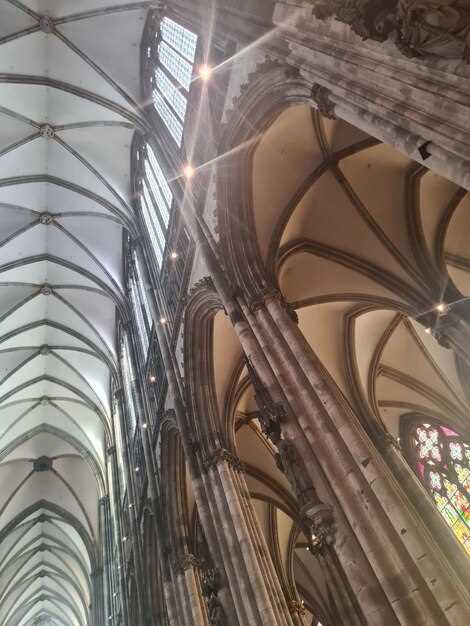
Milan, a city rich in history and culture, hosted countless events that have shaped its vibrant community. Among the remarkable sites to explore are the innovative and unusual churches that dot the urban landscape. These architectural gems present a striking juxtaposition to the ancient structures that originally shaped the city’s skyline. As we embark on this journey, we will delve into the alleyways and squares where believers and admirers alike gather, drawn to the stunning stained windows and elaborate artwork.
One cannot overlook the unique offerings of Milan’s ecclesiastical spaces, from the austere façades to the intricate details found within. The design of these churches often consisted of recycled materials and modern elements, creating a fitting representation of contemporary faith. Notable examples include the Cappella di San Pietro and the Baptistery of Sant’Antonio, which showcase a blend of historical reverence and modern innovation. Many of these sites have weathered time’s battle, retaining their original charm while also evolving with the changing urban fabric.
The churches of Milan are adorned with massive ceilings and striking statues that tell the stories of saints and holy figures. The interplay of light and shadow through the stained glass captivates those who enter, revealing a deeper connection to the divine. Visitors will find themselves admiring the works of renowned artists and architects in each sezione, each telling a tale of devotion and creativity. Below the surface, the narrative continues, offering insights into the period of their origins, making these spaces not only places of worship but also vessels of history.
Exploring the Architectural Features of San Lorenzo Maggiore
San Lorenzo Maggiore stands as a prime representation of Milan’s rich architectural heritage. Originally constructed in the early centuries of Christian Italy, this basilica features remarkable brick structures that have withstood the test of time. Its construction showcases the unique methods employed during the Lombardy era, highlighting the innovation that has made it a crucial player in the region’s historical narrative. Visitors often marvel at the fascinating duality of its layout, with original features coexisting alongside modern adaptations over the years.
The church’s layout is particularly noteworthy, as it contains elements that are both civic and religious. Spanning over 30 meters in height, San Lorenzo Maggiore includes a stunning baptistery that many believe to be one of the oldest in Milan. During the trvanie of its existence, it has turned into a gathering place for people from various walks of life, showcasing the význam of community within its walls. The structure’s parts are designed to open up to the public, allowing for both religious and cultural events to take place harmoniously.
At the heart of San Lorenzo lies the historical naves that remember the večera held there, creating a deep connection for those who visit. The basilica’s dome, often compared to Leonardo masterpieces, showcases the architektonický brilliance of its designer, Richini, who performed restoration work in later times. His vision laid the groundwork for future generations to appreciate the church’s significance, transforming it into not just a religious site but also a cultural museum, where art and faith converge.
People often spend hours exploring the peripheral areas surrounding the church, where many charming cafés and businesses thrive. The square adjacent to San Lorenzo offers a vibrant ambiance, highlighted by the stunning backdrop of ancient ruins. Not only does this make the experience truly worthwhile, but it provides an insight into how architecture can influence urban fashion. Je to hodný to note that the merging of modern elements with historical aspects is what makes San Lorenzo Maggiore a must-visit site for anyone exploring Milan’s innovative and unusual churches.
Unique Structural Elements: What Sets It Apart
In Milan, churches are not merely places of worship; they also serve as architectural exhibitions showcasing unique structural elements. Each building is a testament to the city’s rich heritage, reflecting centuries of religious and artistic evolution. One notable example is the Church of San Lorenzo, where you can find paleochristian structures intertwined with modern design–an extraordinary cycle of history captured in stone.
Another striking feature across many of Milan’s modern churches is the use of recycled materials. For instance, the designs of the Chiaravalle Abbey incorporate sustainable elements that pay homage to the environment while showcasing artistic innovation. Visitors are often surprised at how these modern methods can seamlessly blend with ancient techniques, creating a harmonious aesthetic.
Architects like Donato Bramante and Cristoforo also played significant roles in defining Milan’s ecclesiastical architecture. Their work not only focuses on structural integrity but emphasizes the visual impact of each church. The rose windows and marble capitals in these buildings illustrate the intention behind religious art–representing light, spirituality, and the divine.
Many churches are equipped with unique doors and entrances that invite contemplation. The doors often feature intricate carvings depicting biblical stories, allowing those who enter to reflect on their meaning during their visit. Closed-off from the bustling retail streets, these structures provide a quiet sanctuary for worshippers and tourists alike.
Throughout the city, you can discover churches adorned with unique architectural elements that present both historical and modern viewpoints. For example, the Duomo of Milan, an iconic site, showcases unmatched gothic spires alongside modern installations. This interplay between eras offers a viewing experience like no other, as you can see how the city has evolved over time.
Furthermore, several modern churches host events that interweave art and religion. Those who choose to participate often have the opportunity to meet local artists and engage in discussions about the role of faith in contemporary society. This aspect emphasizes that architecture is not just about buildings but about the community and connections they foster.
In summary, Milan’s innovative churches are defined by their unique structural elements, blending historical significance with contemporary artistry. Visitors are encouraged to explore these sites, not just to admire their beauty but also to understand the rich narratives they embody. As the Duke of Milan once said, every church is a place where the past and future collide, a priceless heritage for everyone to appreciate.
The Influence of Roman Architecture: A Closer Look
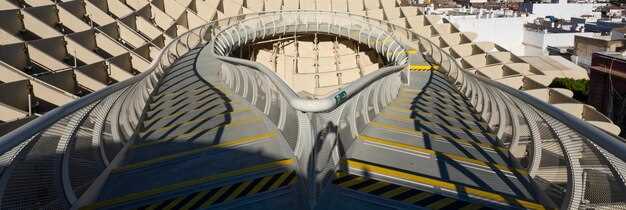
The legacy of Roman architecture profoundly shaped the development of Milan’s architectural landscape. One can see this influence in the organized layout of various churches that grace the city, including the celebrated Santeustorgio and the ancient baptistery. These buildings showcase great feats of engineering and artistry, with ceilings adorned in stucco and intricate pulpit designs crafted by noteworthy artists such as Morazzone and Bramante. Roman characteristics are further echoed in the monumental towers that rise above the Milanese skyline, standing as silent witnesses to centuries of history. Attractions like the theatre of Ansperto, which once housed vibrant performances, remain pivotal in understanding how ancient Roman aesthetics were woven into the fabric of contemporary Milanese structures.
In stark contrast to the modest design of earlier times, later constructions embraced a dynamic appearance that often mirrored the features of ancient basilicas. Those ambitious designs sought not only to evoke a sense of grandeur but also to bring modern needs into a historical context. A unique instance is the churches influenced by the late 17th-century battle styles, which reflect a synthesis of old and new ideals. The unyielding spirit of Roman design ensures that Milan’s architectural narrative continues to be a site of discovery for those who wish to explore its depths, promoting a harmonious dialogue between past and present.
Modern Additions: How Contemporary Design Integrates with History
In Milan, a city rich in both historical and modern architectural wonders, the integration of contemporary design with centuries-old buildings creates a splendid visual dialogue. The charming Santa Maria delle Grazie, home to Leonardo da Vinci’s priceless *Last Supper*, stands as a testimony to this synthesis. Nearby, the new construction at the Corso Vittorio Emanuele offers a peek into how modern additions can complement and enhance the historical architecture surrounding it. These structures, often built with the same brick and stone materials as their predecessors, integrate seamlessly with the celebrated historical urban fabric of the city.
One of the most fascinating examples is the innovative design of the Cappella delle Reliquie adjacent to San Ambrogio. Here, architects embraced a minimalist approach, featuring large windows that allow natural light to flood the interior, highlighting the rich cultural heritage while respecting the church’s modest origins. The juxtaposition of the historic stone walls with modern glass elements creates an engaging contrast that draws visitors from all walks of life. The materials used echo the past, while the design language speaks the contemporary dialect of Milan’s urban evolution.
Besides providing functional spaces for daily worship and community events, modern additions also serve a democratic purpose in the architectural narrative of Milan. The elusive balance achieved through careful planning and design decisions transforms sites like the Gottardo museum and park area into vibrant public spaces. These areas, often the result of collaborations between artists and architects, invite residents and tourists alike to look closer, breathe in history, and enjoy the peaceful coexistence of the old and new. Such integration does not simply make a statement; it inspires a collective appreciation for Milan’s rich architectural dialogue, reminding us that history and innovation can coexist harmoniously for centuries to come.