


 Русский
  English (UK)
  বাংলা
বাংলা  العربية
  日本語
日本語  한국어
한국어  Magyar
  Norsk nynorsk
  Türkçe
  עִבְרִית
  Español
  Čeština
  Svenska
  Português
  Ελληνικά
  Suomi
Suomi  Nederlands
  Română
  Italiano
  Français
  Polski
  Українська
  Deutsch
  简体中文
简体中文  Slovenčina
  Српски језик
  اردو
اردو  Azərbaycan dili
  O‘zbekcha
  አማርኛ
አማርኛ 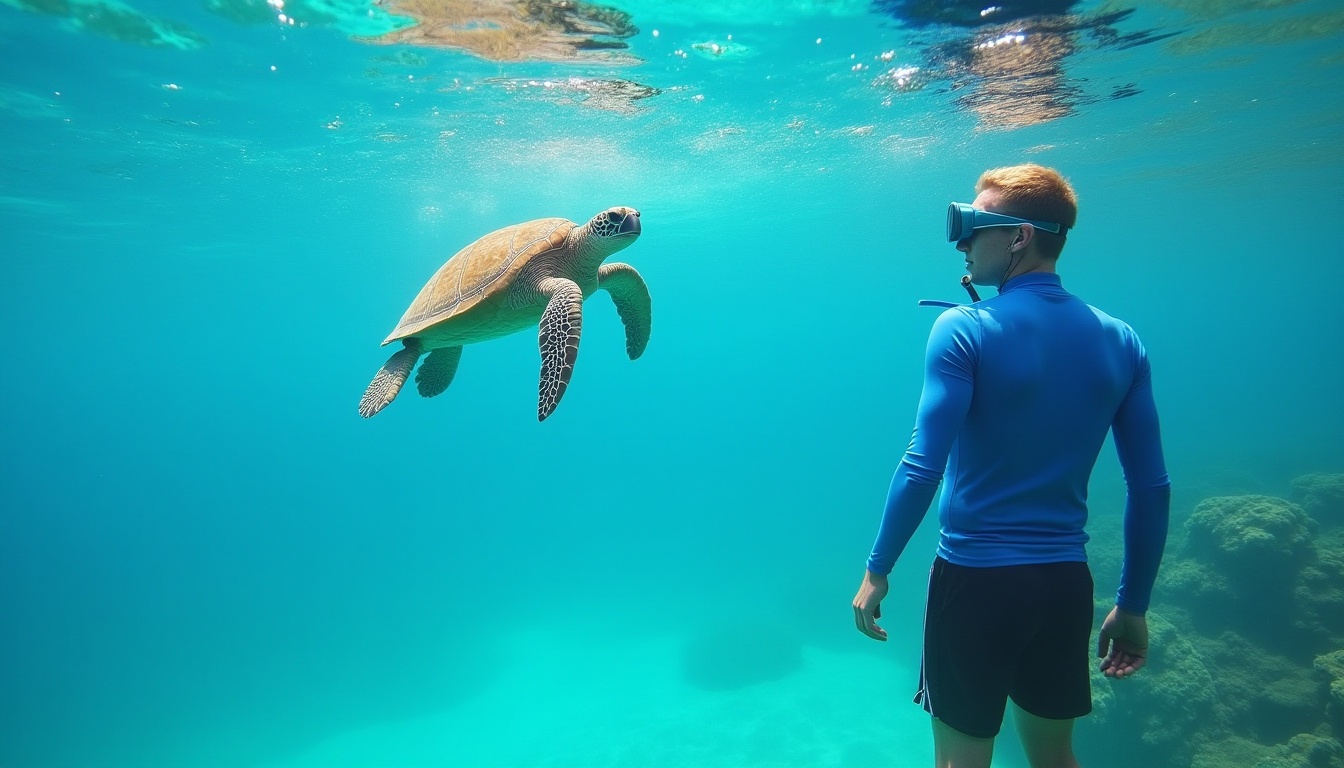 Ответственный туризм в дикой природе: что можно и что нельзя">

Wildlife tourism offers unforgettable experiences, from spotting whale sharks in the Maldives to tracking lemurs in Madagascar. However, responsible practices are essential to protect animals and their habitats. At GetExperience, we advocate for sustainable travel that respects nature. Here’s a guide to the do’s and don’ts of wildlife tourism in 2025.
The Importance of Responsible Wildlife Tourism
Wildlife tourism generates significant revenue—$343 billion globally in 2025—but can harm ecosystems if mismanaged. Over-tourism in places like Thailand’s elephant sanctuaries has led to animal stress and habitat degradation. Responsible tourism ensures animals thrive while travelers enjoy ethical experiences. For destinations like Seychelles, protecting marine life is critical to sustaining tourism.
Sustainable practices also educate travelers. By learning about conservation, visitors to places like Costa Rica or Kenya become advocates for wildlife protection, amplifying impact beyond their trip.
Do’s of Wildlife Tourism
Делать choose ethical operators. Research companies certified by organizations like the Global Sustainable Tourism Council. In Seychelles, opt for snorkeling tours that avoid coral damage. Делать maintain a respectful distance from animals—use binoculars or zoom lenses for photography. In places like the Galápagos, this prevents stress to species like giant tortoises.
Делать support conservation efforts. Many tours, like those in Borneo, donate to wildlife preservation. Делать follow local guidelines, such as avoiding flash photography in coral reefs, which can harm marine life in destinations like Indonesia.
Don’ts of Wildlife Tourism
Не надо. interact with captive animals for entertainment. Avoid elephant rides or dolphin shows, which often involve cruelty. In Thailand, choose sanctuaries focused on rehabilitation instead. Не надо. litter or disturb habitats—plastic waste in places like the Maldives threatens marine ecosystems.
Не надо. buy wildlife souvenirs, like coral jewelry or ivory, which fuel illegal trade. Не надо. feed animals, as this disrupts natural behaviors, as seen in monkey populations in Bali. A 2025 report notes that 40% of wildlife tourism violates ethical standards, underscoring the need for awareness.
Technology’s Role in Responsible Tourism
Apps like iNaturalist help travelers identify species and report sightings, aiding conservation efforts. Drones can monitor wildlife without intrusion, as used in African reserves. GetExperience’s platform promotes ethical operators, ensuring travelers choose sustainable options in destinations like Seychelles or Costa Rica.
In conclusion, responsible wildlife tourism balances adventure with conservation. By following these do’s and don’ts, travelers can protect ecosystems while enjoying unforgettable experiences. At GetExperience, we’re committed to guiding you toward ethical, sustainable adventures.