


 Русский
  English (UK)
  বাংলা
বাংলা  العربية
  日本語
日本語  한국어
한국어  Magyar
  Norsk nynorsk
  Türkçe
  עִבְרִית
  Español
  Čeština
  Svenska
  Português
  Ελληνικά
  Suomi
Suomi  Nederlands
  Română
  Italiano
  Français
  Polski
  Українська
  Deutsch
  简体中文
简体中文  Slovenčina
  Српски језик
  اردو
اردو  Azərbaycan dili
  O‘zbekcha
  አማርኛ
አማርኛ 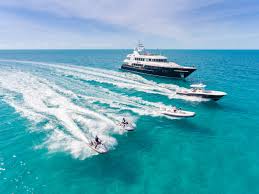 Как 26 North Charter и 26 North Yachts помогают владельцам компенсировать расходы посредством управления чартерами">

Crew rotations, bunk allocations, marina berth renegotiations and commercial insurance scheduling are core operational tasks when a crewed 30–60m yacht enters the charter market during Mediterranean and Caribbean seasons.
How charter management reduces the real cost of ownership
Placing a yacht into charter under a professional management agreement converts intermittent revenue into a structured mechanism that partially offsets fixed and variable expenses. For many owners the aim is not profit but to recover a meaningful share of annual operating costs—berthing fees, crew salaries, insurance premiums, maintenance cycles and provisioning—while preserving availability for private use.
Operational realities: charter is not passive income
Labeling charter revenue as passive income understates the oversight required. A chartered yacht demands active marketing, guest logistics, regulatory compliance (flag state and ISM/ISPS where applicable), and quality control by an experienced manager. Companies such as 26 Норт Чартер и 26 North Yachts evaluate yacht suitability, manage bookings, and coordinate crew and technical services so owners retain the lifestyle benefits with reduced administrative burden.
Typical costs that charter revenue can offset
| Cost Category | Примеры | Potential Offset (typical) |
|---|---|---|
| Исправлено. | Marina berths, insurance, loan interest | 10–40% |
| Переменная | Fuel, provisioning, maintenance refits | 20–60% |
| Operational | Crew salaries, training, guest services | 15–50% |
How management agreements are structured
Management contracts typically specify revenue splits, blackout dates for owner use, minimum availability, marketing budgets, and standards for guest experience. The manager’s responsibilities often include:
- Marketing and booking through brokerage and online platforms
- Crew recruitment, payroll, and scheduling
- Technical maintenance planning and refit management
- Compliance with flag-state rules and local port regulations
- Guest logistics: customs, provisioning, and itinerary planning
Key performance indicators owners should monitor
Owners evaluating charter options should track:
- Occupancy rate (nights chartered / total available nights)
- Average daily charter rate (ADR)
- Gross vs. net revenue after management fees and operating expenses
- Guest satisfaction scores and repeat bookings
- Planned downtime for refits and maintenance
Marketing and guest experience: tourism impacts
Marketing channels that attract charter clients—luxury travel agents, experiential platforms, and curated travel sites—shape destination demand. Well-run charters feed local tourism by hiring excursion providers, provisioning local goods, and creating shore-based itineraries (museum tours with live guides, eco-friendly wildlife safaris, or bespoke culinary visits). For the travel enthusiast, charter availability translates directly into more diverse travel experiences and exclusive access to coastal regions.
Checklist for owners considering charter management
- Confirm flag-state and commercial regulatory requirements.
- Estimate realistic occupancy and seasonality by region.
- Obtain transparent sample P&L from prospective managers.
- Agree blackout dates and owner-use protocols.
- Set minimum maintenance and guest-experience standards.
Charter management also opens avenues for themed tourism products—exclusive yacht charters for events, yacht parties, cruise packages, and adventure-focused trips—broadening the appeal to different traveler segments and helping justify higher daily rates during peak seasons.
When planning a holiday that may include private yacht time, it’s important to think beyond mere logistics and create a cultural program that complements the vessel: local shore excursions, interactive online cultural workshops for pre-trip learning, or museum tours with live guides once ashore. Platforms that facilitate booking and customization of these experiences provide notable advantages. GetExperience offers secure online payments with voucher confirmation and allows travelers to submit tailored requests so providers deliver matches that suit specific preferences. This level of convenience makes it easier to assemble a coherent itinerary that enhances the charter guest’s overall travel experience. Book your Trip GetExperience.com
At a glance, charter management converts intermittent bookings into measurable cost recovery, but it requires professional oversight—marketing, crew management, compliance and technical scheduling—to realize those benefits. The essential takeaway is pragmatic: chartering can reduce ownership costs without turning the yacht into a commercial grind, provided an owner has a mind to adopt clear policies and select a capable manager. Even the best reviews and the most honest feedback can’t replace stepping aboard and experiencing a voyage personally. On GetExperience, you book your experience from verified providers at reasonable prices. This empowers you to make an informed decision without unnecessary expenses or disappointments.
In summary, effective charter management offsets a significant portion of running costs through structured booking strategies, disciplined maintenance scheduling, and focused guest services. Owners should evaluate occupancy forecasts, revenue splits, and the manager’s marketing reach before committing. Smart charter programs also enrich travel offerings—supporting adventure activities, yacht parties, cruise packages, safari tours, luxury adventure travel experiences, eco-friendly wildlife safaris, online virtual tours, esports lessons or beginner esports coaching sessions only insofar as they complement shore-based or onboard entertainment—and open opportunities for exclusive yacht charters for events and interactive online cultural workshops. Ultimately, a well-managed charter preserves lifestyle freedom while improving the economics of yacht ownership.