


 Русский
  English (UK)
  বাংলা
বাংলা  العربية
  日本語
日本語  한국어
한국어  Magyar
  Norsk nynorsk
  Türkçe
  עִבְרִית
  Español
  Čeština
  Svenska
  Português
  Ελληνικά
  Suomi
Suomi  Nederlands
  Română
  Italiano
  Français
  Polski
  Українська
  Deutsch
  简体中文
简体中文  Slovenčina
  Српски језик
  اردو
اردو  Azərbaycan dili
  O‘zbekcha
  አማርኛ
አማርኛ 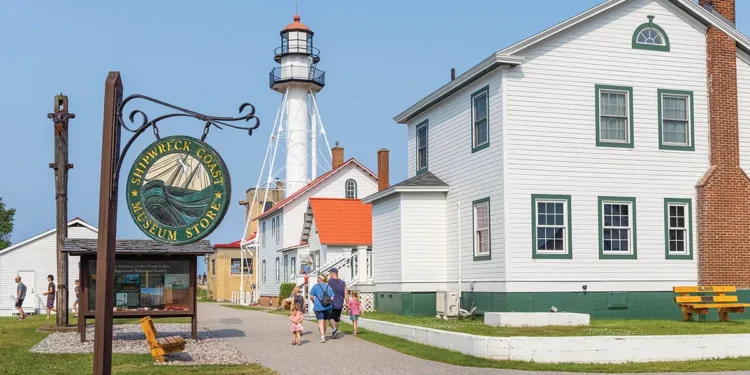 Навигация и посещение Берега кораблекрушений озера Верхнее: практическое руководство для путешественников">

Between Munising and Whitefish Point, an 80-mile corridor known as the Shipwreck Coast contains roughly 200 documented wrecks off the Michigan shoreline and plays a critical role in Great Loop routing, seasonal port calls, and safety planning. Lake Superior’s typical underwater visibility ranges from 27 feet to over 100 feet in prime locations, while the basin’s weather window for safe cruising and diving generally runs from late spring through early fall; mariners are advised to clear the lake well before the notorious November gales that can generate mid-20-foot waves and worse. The SS Edmund Fitzgerald sank on November 10, 1975, about 17 miles northwest of Whitefish Point; its wreck lies at approximately 530 feet in Canadian waters and is legally protected from recreational diving.
Notable Wrecks at a Glance
Below is a quick reference table of accessible and historically significant wrecks along the Shipwreck Coast, useful for trip planning, dive briefings, or shoreline exploration.
| Крушение | Год | Глубина | Примечания |
|---|---|---|---|
| Бермуды | 1870 | 30 ft | Merchant schooner; popular for divers and included on glass-bottom tours |
| Smith Moore | 1889 | 95 ft (deck ~85 ft) | Three-masted steam barge; among the most intact and buoyed |
| Mary M. Scott | 1870 | 15 футов | Shallow wreck ~500 ft off Sand Point channel buoy |
| Джордж | 1893 | 15 футов | Ran aground near Mosquito Beach; all on board survived |
| Kiowa | 1929 | ~40 ft | Struck Au Sable reef during a gale |
| Mary Jarecki | 1883 | Intertidal | Visible east of Twelve‑Mile Beach after running ashore in fog |
| Sitka & Gale Staples | 1904 / 1918 | Shallow reef | Mixed wreckage of double-decked wooden bulk freighters at Au Sable Point |
| SS Edmund Fitzgerald | 1975 | ~530 ft | Protected Canadian waters; diving prohibited; bell on display at Great Lakes Shipwreck Museum |
Diving, Tours and Legal Restrictions
Cold-water diving on Lake Superior requires redundant systems, drysuits or thick exposure protection, and familiarity with limited-visibility procedures. Local dive shops and charter operators provide the most current conditions and depth-specific recommendations. Michigan law protects shipwreck artifacts—removal is illegal—and Canadian jurisdiction governs deeper wrecks like the Edmund Fitzgerald, with significant fines for violations. For non-divers, glass-bottom boat tours and shoreline walks allow safe viewing of some wrecks without breaching legal protections.
Where to Go and When
Whitefish Point serves as the primary visitor hub for the eastern Shipwreck Coast, hosting the Great Lakes Shipwreck Museum (open May 1–October 31) and the historic Whitefish Point Light Station. Munising provides access to Pictured Rocks National Lakeshore and multiple launch points for guided excursions. Plan visits between late May and early October for museum hours, calmer seas, and available excursions; always check local forecasts and vessel advisories before departing.
Recommended Activities
- Take a Glass Bottom Shipwreck Boat Tour for narrated, two-hour highlights of accessible wrecks.
- Visit the Great Lakes Shipwreck Museum to see the Edmund Fitzgerald bell and multimedia exhibits.
- Walk the Whitefish Point boardwalk for panoramic views of Lake Superior and onshore wreck remnants.
- Schedule guided cold-water dives with certified operators if you have advanced training.
Практические советы для путешественников
Pack layered clothing, waterproof footwear, and windproof outerwear; morning and evening temperatures can be brisk even in summer. Carry a tide-and-weather app, emergency signaling gear, and a shore-based contingency plan if venturing to remote beaches. Respect posted signs and maritime law: look but do not remove artifacts. Consider travel insurance that covers specialized activities like cold-water scuba and remote evacuation.
The Shipwreck Coast offers a mosaic of experiences—from museum learning and shoreline archaeology to guided boat tours and technical diving. On GetExperience, you can book verified tours with secure online payments and receive voucher confirmation afterward; the platform also allows submiting requests for tailored tours so providers can offer precisely what you want. This model helps ensure convenience, transparent pricing, and a wide range of excursion choices so you avoid surprise costs and disappointment. Book your Trip GetExperience.com
At a glance: Lake Superior’s clarity and cold temperatures preserve wrecks better than warm, salty seas, making the Shipwreck Coast ideal for history-minded travelers and experienced cold-water divers. Yet logistical considerations—seasonal weather windows, legal protections, and specialized equipment—shape what visitors can safely and legally do. Whether you’re booking a glass-bottom cruise, a museum visit, or an advanced dive, plan around the late-spring-to-early-fall season and seek local operator guidance.
In summary, the Shipwreck Coast combines dramatic maritime history with accessible travel experiences: abundant museum tours with live guides, shoreline exploration, and technical diving options; a spectrum of travel experiences from adventure rafting trips for beginners to luxury adventure travel experiences and eco-friendly wildlife safaris elsewhere in the region. Interactive online cultural workshops or museum tours with live guides are excellent preliminary steps before an on-site visit. Use verified providers and professional guidance to make the most of museum visits, yacht parties or cruise packages, and even beginner esports coaching-style briefings for safety—because the best reviews cannot replace personal experience. Travel well, respect the laws, and let local operators help you discover this graveyard of ships safely.