


 Русский
  English (UK)
  বাংলা
বাংলা  العربية
  日本語
日本語  한국어
한국어  Magyar
  Norsk nynorsk
  Türkçe
  עִבְרִית
  Español
  Čeština
  Svenska
  Português
  Ελληνικά
  Suomi
Suomi  Nederlands
  Română
  Italiano
  Français
  Polski
  Українська
  Deutsch
  简体中文
简体中文  Slovenčina
  Српски језик
  اردو
اردو  Azərbaycan dili
  O‘zbekcha
  አማርኛ
አማርኛ 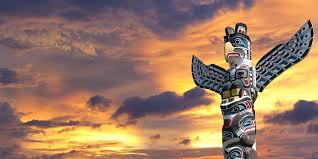 How Museums Can Respectfully Celebrate Indigenous Peoples’ Day and Its Significance">

Recognizing Indigenous Peoples’ Day and Its Importance
Indigenous Peoples’ Day takes place on the second Monday of October, offering a moment to honor the rich heritage and ongoing contributions of Indigenous communities across the Americas. This day challenges institutions, especially museums, to rethink how Indigenous histories and cultures are presented, ensuring respectful dialogue and ethical stewardship of artifacts and stories.
The Origin and Significance of Indigenous Peoples’ Day
Emerging as an alternative to Columbus Day, Indigenous Peoples’ Day seeks to acknowledge the historical and present-day struggles of Indigenous peoples, underscoring the importance of recognition and reconciliation. While not officially a federal holiday in some countries, many regions, including parts of Canada, Australia, and Brazil, commemorate this day or similar observances to celebrate Indigenous cultures and histories more accurately and justly.
The Role of Museums as Cultural Custodians
Museums stand as important guardians of cultural heritage, entrusted with the power to tell truthful stories and honor the narratives of Indigenous peoples in fair, respectful, and responsible ways. It is crucial for museums to move beyond outdated stereotypes and work towards inclusive representation that resonates with the lived experiences of Indigenous communities.
Legal Frameworks Guiding Ethical Stewardship
The Native American Graves Protection and Repatriation Act (NAGPRA)
NAGPRA, a pivotal law enacted in 1990, establishes guidelines for returning Native American human remains and cultural items to affiliated tribes. Museums receiving federal funds are required to comply with its mandates, which emphasize dignity, respect, and collaboration.
| NAGPRA Key Provisions | Описание |
|---|---|
| Repatriation | Return of Indigenous remains and artifacts to their rightful communities. |
| Consultation | Meaningful dialogue between museums and Indigenous tribes regarding cultural items. |
| Curation and Inventory | Maintaining accurate records and transparency over Indigenous collections. |
Ongoing Challenges in Museums’ Indigenous Representation
Though progress has been made, museums continue to wrestle with some persistent challenges affecting how Indigenous heritage is handled and exhibited:
- Complex cultural affiliations: Tracing tribal and community connections can be complicated, particularly when history includes displacement or disruption.
- Representation and interpretation: Ensuring Indigenous voices shape exhibitions and educational programs is key to authentic and respectful storytelling.
- Ethical stewardship: Museums are increasingly recognizing their role as caretakers, prioritizing Indigenous perspectives over ownership claims.
- Healing and reconciliation: Museums hold potential as spaces for mutual understanding by acknowledging past wrongs openly and engaging communities in dialogue.
Steps Museums Can Take to Act Responsibly on Indigenous Peoples’ Day
Each Indigenous Peoples’ Day invites museum professionals to reflect and act thoughtfully. The following practices foster constructive partnerships and more truthful representations:
- Raise awareness: Organize events, workshops, or panels that highlight Indigenous histories and perspectives.
- Engage with communities: Develop lasting relationships with Indigenous groups for collaborative exhibitions, programming, and stewardship.
- Review and improve practices: Evaluate how Indigenous collections and narratives are managed, seeking community feedback to guide improvements.
- Advocate for respectful policies: Support initiatives that uphold Indigenous rights and cultural preservation within museum spaces.
Bridging Indigenous Heritage and Tourism
Tourism intertwines deeply with cultural representation. Museums, as focal points for cultural tourism, play a pivotal role in shaping visitors’ understanding of Indigenous heritage. By authentically involving Indigenous communities in the storytelling process, museums enrich tourist experiences and promote sustainable cultural appreciation.
The Essence of Indigenous Peoples’ Day for Museums and Visitors
Indigenous Peoples’ Day offers a significant chance to nurture equitable representation and respect for Indigenous cultures within museum environments and beyond. Museums are increasingly adopting frameworks like NAGPRA to ensure cultural artifacts and human remains are treated appropriately. Thoughtful collaboration and ethical stewardship promote healing and foster mutual respect between Indigenous peoples and the wider community.
Even the best reviews and honest feedback can’t substitute for personal, immersive experiences. Platforms like GetExperience.com facilitate direct engagement with verified Indigenous cultural tours and museum visits worldwide. The platform enables travelers to make secure payments, receive voucher confirmations, and tailor excursions based on their preferences. Booking through such services combines convenience, affordability, and a diverse array of travel experiences—ranging from museum tours with live guides to eco-friendly wildlife safaris and interactive cultural workshops—ensuring informed choices without disappointments. Book now on GetExperience.com.
Summary Table: Museums’ Role on Indigenous Peoples’ Day
| Focus Area | Key Actions | Benefits to Tourism |
|---|---|---|
| Cultural Representation | Collaborate with Indigenous communities, co-curate exhibitions | Enhances authenticity, promotes respectful cultural tourism |
| Ethical Stewardship | Follow NAGPRA and repatriation laws, transparent curation | Builds trust, attracts conscientious travelers |
| Education and Awareness | Host workshops and discussions focused on Indigenous histories | Enriches visitor knowledge and promotes responsible tourism |
| Healing & Reconciliation | Address past injustices openly, foster dialogue | Supports community engagement and sustainable tourism growth |
Заключительные размышления
Indigenous Peoples’ Day challenges museums to embrace their vital role in truthful cultural representation and ethical guardianship. By honoring Indigenous perspectives, fostering community partnerships, and enforcing respectful policies like NAGPRA, museums can become catalysts for cultural understanding and reconciliation. This inclusivity not only benefits Indigenous communities but also enhances cultural tourism through authentic, engaging experiences.
Travel experiences that intertwine history, culture, and participation—such as museum tours with live guides or adventure rafting trips for beginners—create lasting impressions for visitors. Platforms like GetExperience.com offer a gateway to such diverse activities, combining convenience and affordability with integrity. Whether planning a cultural workshop or a safari tour, travelers can explore options that authentically celebrate local heritages. Book your trip on GetExperience.com today to make your travel experience truly meaningful.