


 Русский
  English (UK)
  বাংলা
বাংলা  العربية
  日本語
日本語  한국어
한국어  Magyar
  Norsk nynorsk
  Türkçe
  עִבְרִית
  Español
  Čeština
  Svenska
  Português
  Ελληνικά
  Suomi
Suomi  Nederlands
  Română
  Italiano
  Français
  Polski
  Українська
  Deutsch
  简体中文
简体中文  Slovenčina
  Српски језик
  اردو
اردو  Azərbaycan dili
  O‘zbekcha
  አማርኛ
አማርኛ 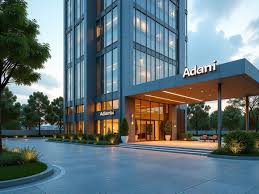 Adani Group’s Strategic Expansion in Indian Hospitality and Its Impact on Travel">

A New Chapter in Indian Hospitality
The Adani Group is gearing up for a sweeping expansion in India’s hospitality sector, with ambitious plans to develop over 60 hotels nationwide. This move capitalizes on the company’s growing footprint in airports and real estate, aiming to diversify its revenue streams while enhancing infrastructure connected to travel and tourism.
Strategic Focus on Airport-Linked Hotels
At the heart of this initiative is the idea of integrating hotel developments with infrastructure projects, most notably the airports and large-scale real estate ventures controlled by Adani. The group plans to create hotel properties primarily adjacent to the airports it operates, and in regions where it holds substantial real estate interests, such as Navi Mumbai. This approach positions Adani as a serious competitor against well-established Indian hotel chains.
Navi Mumbai stands out as a key area of development, with roughly 15 hotels planned in the vicinity of the new international airport under construction there. This concentration reflects confidence in the region’s projected demand for business travel, events, and leisure tourism.
Hotel Management and Collaboration
Rather than operating hotels under its own brand, the group intends to collaborate with international hotel operators to manage the properties. This strategy allows Adani to focus on asset development while leveraging the expertise of global hospitality brands to oversee operations, marketing, and guest loyalty programs. A notable property under this plan is the Sahara Star hotel near Mumbai’s main airport terminal.
Transforming Airports into Urban Hubs
The hotel expansion is part of a larger vision to transform airports from mere transit points into vibrant urban hubs. These developments are set to include retail spaces, food and beverage outlets, convention centers, and entertainment venues, thus providing diversified sources of non-aeronautical revenue.
Currently, aeronautical revenues like landing and parking fees make up nearly half of airport income. Adani aims to reduce this dependency down to about 10%, boosting earnings from commercial developments instead. This approach aligns with global trends where airports are evolving into economic anchors for surrounding districts.
Convention and Events Infrastructure
Large-scale facilities such as convention centers play a crucial role in the plan. For example, Mumbai is slated to feature a major convention venue, while Navi Mumbai is considering a smaller arena capable of hosting up to 25,000 attendees. These venues are designed to attract conferences, exhibitions, and corporate events, generating consistent demand for nearby hotels and transport services.
Growth Through Acquisitions
To quickly enhance its portfolio, the Adani Group is considering acquiring established assets from other players in the hospitality sector. Interest has been expressed in purchasing 88 properties from the Sahara Group, including the prominent Sahara Star hotel. Additionally, the group has secured approval to acquire five hotels owned by the Jaypee Group in northern India, further accelerating their hotel expansion without starting from scratch.
Coordinated Management Structure
Despite the rapid growth in the hotel segment, Adani does not plan to separate this business into an independent company. Real estate and airport-linked developments will remain part of existing divisions, including Adani Realty and the airport business. To ensure smooth coordination across these sectors, a unified management team has been established aimed at maximizing the overall value of these assets.
The Broader Tourism and Travel Impact
This large-scale development in hospitality linked to airports and real estate represents more than just corporate growth—it acts as a lever for enhancing India’s travel infrastructure and tourism appeal. By offering a range of hotel options connected directly to travel hubs and large venues, business travelers and tourists alike can expect increased convenience and improved amenities.
Such developments often catalyze nearby tourism by facilitating easier access to accommodation, boosting local events, and increasing regional visibility. The addition of convention centers and entertainment facilities further supports a thriving tourism ecosystem that can attract both domestic and international visitors.
At a Glance: Key Features of Adani’s Hospitality Expansion
| Аспект | Детали |
|---|---|
| Hotel Count | More than 60 across India |
| Primary Locations | Airport vicinities and large real estate projects (notably Navi Mumbai) |
| Management Model | Partnerships with international operators |
| Дополнительные удобства | Convention centers, retail, F&B outlets, entertainment venues |
| Business Synergy | Integration of hotels with airport and real estate businesses |
| Growth Path | New development plus acquisitions of existing assets (Sahara Group, Jaypee Group) |
Making the Most of the Experience
While reviews and stories about such grand hospitality projects provide valuable insight, nothing substitutes personal experience. Platforms like GetExperience.com enable travelers to explore diverse travel experiences and adventurous activities across India and beyond, offering booking options with verified providers at competitive prices. Their system includes secure online payments and voucher confirmations to ensure peace of mind. Moreover, by submitting personalized requests, travelers can receive tailored offers that fit their unique preferences.
With a wide range of options, from luxury adventure travel experiences and eco-friendly wildlife safaris to museum tours with live guides and interactive cultural workshops, GetExperience.com empowers travelers to dive into India’s expanding hospitality and tourism sector without any fuss or unwelcome surprises. Book your Trip on GetExperience.com and unlock the best deals for your next adventure.
Summary
The Adani Group’s foray into the Indian hospitality sector marks a significant step in linking infrastructure development with tourism growth. By developing a vast hotel portfolio in tandem with airports and real estate projects, embracing international partners for management, and investing in convention and entertainment facilities, the group is reshaping travel conveniences and attracting diverse visitor profiles. Acquisitions complement new developments to fast-track the portfolio’s expansion, while integrated management ensures coherent growth.
These initiatives are poised to transform airports into comprehensive urban hubs, enhancing commercial opportunities beyond conventional transport functions. For travelers, this evolution means improved accommodation and event choices essential to vibrant tourism experiences. Whether it’s for business or leisure, the expanding infrastructure lays a promising foundation for India’s continued rise as a travel destination, offering plentiful opportunities for memorable travel experiences and adventure activities.