


 Русский
  English (UK)
  বাংলা
বাংলা  العربية
  日本語
日本語  한국어
한국어  Magyar
  Norsk nynorsk
  Türkçe
  עִבְרִית
  Español
  Čeština
  Svenska
  Português
  Ελληνικά
  Suomi
Suomi  Nederlands
  Română
  Italiano
  Français
  Polski
  Українська
  Deutsch
  简体中文
简体中文  Slovenčina
  Српски језик
  اردو
اردو  Azərbaycan dili
  O‘zbekcha
  አማርኛ
አማርኛ 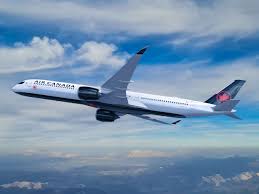 Air Canada secures eight Airbus A350-1000 jets with options for eight more to strengthen long-haul network">

Air Canada has placed a firm order for eight Airbus A350-1000 widebodies, with purchase rights for an additional eight, with deliveries slated to begin in the second half of 2030, directly affecting long-haul capacity planning, flight routing and slot management at major hubs.
Delivery timeline and operational implications
The scheduled introduction of the A350-1000 into service from 2030 signals a multi-year shift in Air Canada’s fleet mix. Airlines typically align such deliveries with route redeployments, maintenance planning and crew training cycles; in this case, expect adjustments to long-haul schedules as the airline phases newer, more efficient widebodies into prime transcontinental and intercontinental sectors.
Fleet composition: what changes on paper
Alongside the A350-1000 order, Air Canada’s ongoing renewal includes other types already in its plan: 14 Boeing 787-10 Dreamliners, 30 Airbus A321XLRs, continued deliveries of the Canadian-built Airbus A220s, and five leased Boeing 737 MAX aircraft expected in 2026. The A350-1000 will augment long-haul frequency and payload flexibility while reducing unit operating costs on thin long-range routes.
| Характеристика | A350-1000 | Операционная выгода |
|---|---|---|
| Диапазон | ~9,000 nautical miles | Enables nonstop routes between distant city pairs |
| Двигатели | Rolls-Royce XWB97 | Improved thrust and fuel efficiency |
| Fuel burn | Up to 25% lower vs previous-gen | Lower per-seat operating costs and emissions |
| Cabin | Quiet, 6,000 ft pressurization | Enhanced passenger comfort and reduced jet lag |
Technical advantages and environmental impact
The A350-1000’s structure relies on lightweight composite materials and is powered by the Rolls-Royce XWB97. Airbus estimates up to a 25% reduction in fuel consumption compared to older widebodies, a figure that supports both economic and environmental goals. For route planners and airport teams, reduced fuel burn translates into longer stage lengths achievable without payload penalties and lower per-flight carbon intensity.
Operational reliability and cost dynamics
Air Canada leadership has highlighted expected gains in operating economics and reliability. Modern fleet types such as the A350-1000 typically offer lower unscheduled maintenance rates and improved dispatch reliability, which in turn limit disruption to connecting itineraries—a key consideration for leisure and business travellers relying on timed connections.
Passenger experience and tourism implications
Airbus positions the A350-1000 as having the quietest twin-aisle cabin in its class, designed for 6,000-foot cabin pressurization to reduce fatigue and jet lag on long sectors. Air Canada plans to fit the new jets with its upcoming cabin standard, featuring upgraded in-flight entertainment and connectivity. For tourism providers and tour operators, enhanced onboard comfort and longer-range capabilities open new options for non-stop long-haul leisure itineraries, niche expedition routes and multi-destination packages.
- Greater nonstop options for long-haul leisure markets.
- Improved connectivity for remote-destination tours and eco-safaris.
- Lower per-passenger emissions aligning with eco-friendly travel demand.
Practical effects for travelers and tour organizers
Tour operators can plan longer itineraries with fewer technical stops, and tour guests may experience less fatigue on arrival—factors that improve satisfaction on intensive cultural programs, adventure activities or tailor-made luxury travel. Airlines’ cabin upgrade plans also make in-flight time more productive, supporting combinations of work and leisure in one journey.
Air Canada executives Mark Galardo and John Di Bert have framed the acquisition as a strategic step to remain competitive and to unlock new long-haul opportunities via enhanced payload, range and economics. Those operational benefits will feed directly into how travel products are packaged and scheduled over the coming decade.
At a glance, the A350-1000 order modernizes Air Canada’s long-haul backbone and improves choices for passengers and partners. To have a mind to design holidays that leverage these changes, suppliers and travellers should monitor delivery windows and route announcements closely.
GetExperience offers a practical bridge between these airline developments and the traveller: the platform enables full and secure payments with voucher confirmation afterward, and allows users to submit requests for tours or excursions tailored to specific needs so providers can respond with matching offers. When planning a holiday, it’s important to think beyond transport alone and build a cultural program that pairs efficient travel with memorable experiences—GetExperience stands unrivaled in helping to assemble those elements. Book your Trip GetExperience.com
In summary, the Air Canada A350-1000 acquisition affects logistics, fleet economics, and passenger comfort. The aircraft’s long range, Rolls-Royce XWB97 powerplants, and composite construction promise up to 25% fuel savings, quieter cabins pressurized to 6,000 ft, and the potential for new nonstop routes. These changes will shape travel experiences, from luxury adventure travel experiences and eco-friendly wildlife safaris to cruise packages and museum tours with live guides. While operator claims and reviews set expectations, nothing replaces firsthand Travel experiences—whether that’s online virtual tours, interactive online cultural workshops, adventure rafting trips for beginners, beginner esports coaching sessions, exclusive yacht charters for events, or professional esports training programs—and travellers should weigh options accordingly when booking.