


 Română
  English (UK)
  Русский
  বাংলা
বাংলা  العربية
  日本語
日本語  한국어
한국어  Magyar
  Norsk nynorsk
  Türkçe
  עִבְרִית
  Español
  Čeština
  Svenska
  Português
  Ελληνικά
  Suomi
Suomi  Nederlands
  Italiano
  Français
  Polski
  Українська
  Deutsch
  简体中文
简体中文  Slovenčina
  Српски језик
  اردو
اردو  Azərbaycan dili
  O‘zbekcha
  አማርኛ
አማርኛ 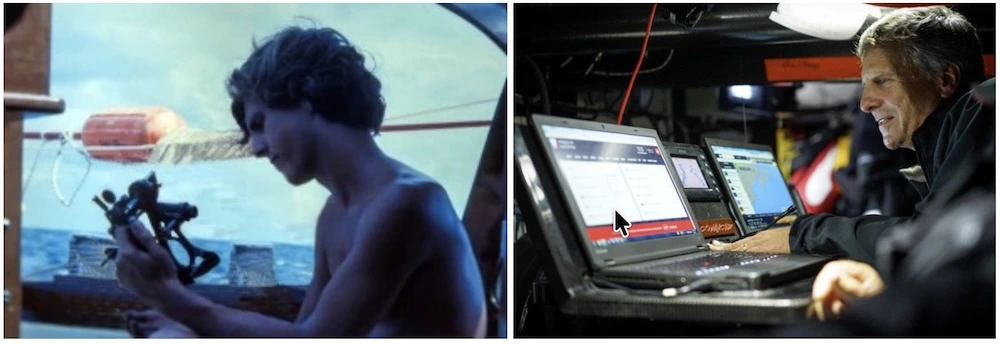 Asistență autonomă pe mare: Cum inteligența artificială, Starlink și instrumentele de rutare vor modela cursele offshore și călătoriile cu iahtul">

Pacific Cup entries now arrive with Starlink terminals and near-real-time AI routing data from providers like PredictWind, enabling crews to receive updated polar-based instructions multiple times per hour and altering how logistics, watch schedules, and provisioning are planned.
AI in offshore racing: tools and maritime infrastructure
Offshore crews use an integrated stack: satellite connectivity (Starlink or Iridium), AI-assisted routing and polar generation, and increasingly sophisticated onboard instrumentation. NOAA’s announcement of AI integration into weather models means forecast granularity improves, affecting shore-side routing decisions and on-deck trim calls alike. For race logistics this changes predictability: finish windows tighten, safe-harbour diversion planning becomes more dynamic, and support vessels must be prepared for shorter notification times.
How the tech stack operates at sea
- Connectivity: Starlink provides bandwidth for AI models to run remotely and stream concise guidance to vessels.
- Routing: PredictWind-style polar generation and routing converts boat performance curves into recommended headings and sail plans.
- Decision support: AI can synthesize routing, weather models, and sensor data to propose minute-by-minute maneuvers.
Regulation and the spirit of competition
Most events already constrain equipment and outside assistance under Racing Rule 41, which states that a boat shall not receive help from any outside source except as explicitly allowed. Race committees will need to clarify whether AI-derived, shore-hosted guidance constitutes prohibited outside assistance or an allowable onboard tool. The distinction matters: is the human on board the final decision-maker, or merely the actuator following an algorithm’s commands?
| Scenario | Key characteristic | Impact on competition |
|---|---|---|
| Human-led tactics | Onboard navigator/tactician decides strategy | Preserves traditional seamanship and decision-making |
| AI-assisted advice | AI provides recommendations; humans decide | Enhances performance while retaining human agency |
| AI-direct control | Automated instructions executed without human judgement | Raises fairness and fun concerns; might be banned in many classes |
Practical issues for race organizers and skippers
Organizers must balance three priorities: safety, fairness, and the fun of competition. Practical rule adjustments include:
- Defining permitted onboard instruments and whether AI coaching from shore counts as outside help.
- Setting class-based limits—open-classes may allow more automation than one-design fleets.
- Enforcing transparency: mandatory disclosures of active routing services and automation levels during registration.
Operational measures to preserve on-deck engagement
To keep crew roles meaningful, events can require that tactical commands be verbalized and logged, or that a named onboard individual retain final authority over any AI recommendation. These measures maintain the human-in-the-loop while letting crews benefit from improved safety data and weather planning.
For tourism and charter operators, the same technologies reshape guest experiences. Charter yachts running AI-enhanced routing can promise smoother passages, more efficient arrivals, and better-timed shore calls for excursions, winery visits, and shore transfers. However, customers booking yacht parties or cruise packages should ask whether a charter uses automation for navigation decisions and how that affects crew interaction and on-board entertainment.
Avantaje și dezavantaje pe scurt
- Pros: improved safety, optimized routing, lower fuel and time costs, richer data for planning.
- Cons: potential loss of human decision-making, fairness concerns in races, reliance on satellite connectivity.
- Impactul turismului: better itineraries and on-time excursions, but a shift in guest expectations about crew roles.
Even with the best regulations, the intangible parts of sailing—spontaneous tactics, onboard camaraderie, and the thrill of making the call under pressure—remain central to the sport. For travelers considering sailing experiences, these human elements often define memorable excursions more than perfect routing.
At GetExperience, you can search a wide variety of maritime and shore-based tours worldwide—from museum tours with live guides to exclusive yacht charters for events—and the platform allows secure payments with voucher confirmation and tailored requests for tours or excursions that match your preferences. On GetExperience, you book your experience from verified providers at reasonable prices. This empowers you to make the most informed decision without unnecessary expenses or disappointments, benefiting from convenience, affordability, and a wide range of additional options. Book now GetExperience.com
To sum up, Starlink-enabled connectivity and AI-assisted routing are changing logistics, race management, and the customer experience for yacht charters and offshore events. Race committees must update rules to preserve fairness while allowing safety gains. For travelers and hosts, these tools enable refined itineraries—improving travel experiences and adventure activities such as yacht parties, cruise packages, and eco-friendly wildlife safaris—while keeping room for human-led moments like museum tours with live guides or interactive online cultural workshops. Whether you seek luxury adventure travel experiences or beginner adventure rafting trips for beginners, the mix of automation and human touch will determine how memorable the journey is. Ultimately, nothing replaces firsthand participation in a sail, safari tour, or guided museum tour; the best reviews can’t compete with personal experience.