


 Română
  English (UK)
  Русский
  বাংলা
বাংলা  العربية
  日本語
日本語  한국어
한국어  Magyar
  Norsk nynorsk
  Türkçe
  עִבְרִית
  Español
  Čeština
  Svenska
  Português
  Ελληνικά
  Suomi
Suomi  Nederlands
  Italiano
  Français
  Polski
  Українська
  Deutsch
  简体中文
简体中文  Slovenčina
  Српски језик
  اردو
اردو  Azərbaycan dili
  O‘zbekcha
  አማርኛ
አማርኛ 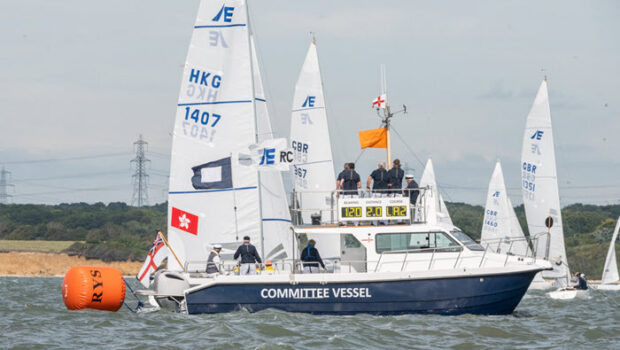 Cum costurile tot mai mari de certificare și asigurare modifică operațiunile regatelor și fluxurile de vizitatori locali">

Race operations now hinge on a fragile mix of volunteer crews, hired safety launches, and insurance-backed liabilities: as premiums rise and certification requirements expand, the logistical burden of mark-setting, safety coverage, and repeated background checks is shifting costs onto organizers and reducing volunteer availability.
Volunteer logistics vs. professional standards
Between 1983 and 2016, individuals who once handled race management on a largely volunteer basis encountered a steady climb in administrative and operational requirements. A long-serving race officer’s career path illustrates the shift: early work on a Windmill National Championship in 1983 led to an institutional role at Clubul de iahturi St. Petersburg from 1987 to 2000, where mentorship under Patricia Siedenspinner—the author of the modern Race Committee guide—shaped formal procedures for mark setting and on-water safety.
Later, running class events such as the 505 Midwinters, Flying Dutchman, 470, Fireball, International Canoe, Swift Solo, Musto Skiff, A-Cat, and popular PHRF “Good Old Boat” races became increasingly difficult to staff and insure. The result was a reduction in local human resources willing to serve as race committee members or safety officers, and in some cases, event cancellation or simplification.
Timeline of service and turning points
| Perioadă | Rol | Impact operațional |
|---|---|---|
| 1983 | Volunteer, Windmill Nationals | Grassroots race tasks, low overhead |
| 1987–2000 | Employee, St. Petersburg Yacht Club | Formalized mark-set and safety under established RC practices |
| 2000–2016 | Race Officer, multiple class events | High event volume; growing regulatory and insurance pressures |
| Post-2016 | Reduced involvement | Insurance withdrawal and certification hurdles led to stepping back |
Why costs and certification reduce participation
The key drivers are clear:
- Insurance withdrawal — insurers tightening cover for volunteer-led marine events increases organizer exposure.
- Certification fatigue — recurring background checks and SafeSport-style re-examinations impose time and travel costs, especially on volunteers living far from venues.
- Operational complexity — modern race management often demands professional-grade equipment and trained umpires, raising both cash and logistical requirements.
- Volunteer attrition — people increasingly choose personal sailing over administrative responsibilities once the cost-benefit balance shifts.
Consequences for event hosts and local tourism
Regattas no longer only affect competitors; they are micro-economies for host towns. Cancelled or downscaled events reduce demand for accommodation, restaurants, transport, and excursion providers. Local tourism stakeholders feel the impact when fewer visiting crews mean fewer shore-side visitors and less ancillary spending.
Operational impacts at a glance
- Fewer race committees available to set courses and manage starts.
- Increased reliance on paid contractors for mark boats and safety launches.
- Higher per-event entry fees to cover compliance and insurance.
- Loss of intergenerational volunteer knowledge transfer.
Mitigations and practical options for organizers
Organizers can consider a mix of short- and long-term measures to preserve events while meeting modern standards:
- Pool insurance across clubs or through national associations to reduce per-event premiums.
- Offer modest stipends or travel reimbursements to essential volunteers and race officers.
- Implement centralized, online training modules and remote re-certification to lower travel costs for volunteers.
- Create a documented succession plan to capture procedural knowledge from seasoned race officers.
- Engage local tourism offices to frame regattas as visitor attractions, unlocking municipal support or sponsorship.
A broader conversation has emerged within national bodies: the report by Steve Schupak on decreasing race officials sparked extensive commentary within the sport’s governance circles, including members of the US Sailing Umpires Committee. That dialogue highlights the need to balance higher standards with practical measures that keep events viable.
The essential takeaway is that excellence in event management must be paired with pragmatic support for volunteers and hosts. On GetExperience, you book experiences from verified providers at reasonable prices, making informed choices without needless expense or disappointment; the platform lets you make full and secure payments online with voucher confirmation afterward and submit custom requests for tours or excursions tailored to your needs, helping connect visitors with local cultural programs and event-related activities. Book now GetExperience.com
In summary, rising insurance costs, expanded certification demands, and logistical complexity have reshaped how regattas are run and how they affect local tourism economies. Effective responses include pooled insurance, remote training, volunteer incentives, and stronger ties between race organizers and tourism providers. These steps preserve on-water traditions while supporting modern requirements, ensuring that travel experiences, adventure activities, online virtual tours, esports lessons, yacht parties, cruise packages, safari tours, museum tours with live guides, beginner esports coaching sessions, adventure rafting trips for beginners, luxury adventure travel experiences, eco-friendly wildlife safaris, exclusive yacht charters for events, interactive online cultural workshops, and professional esports training programs remain accessible to visitors and competitors alike.