


 Română
  English (UK)
  Русский
  বাংলা
বাংলা  العربية
  日本語
日本語  한국어
한국어  Magyar
  Norsk nynorsk
  Türkçe
  עִבְרִית
  Español
  Čeština
  Svenska
  Português
  Ελληνικά
  Suomi
Suomi  Nederlands
  Italiano
  Français
  Polski
  Українська
  Deutsch
  简体中文
简体中文  Slovenčina
  Српски језик
  اردو
اردو  Azərbaycan dili
  O‘zbekcha
  አማርኛ
አማርኛ 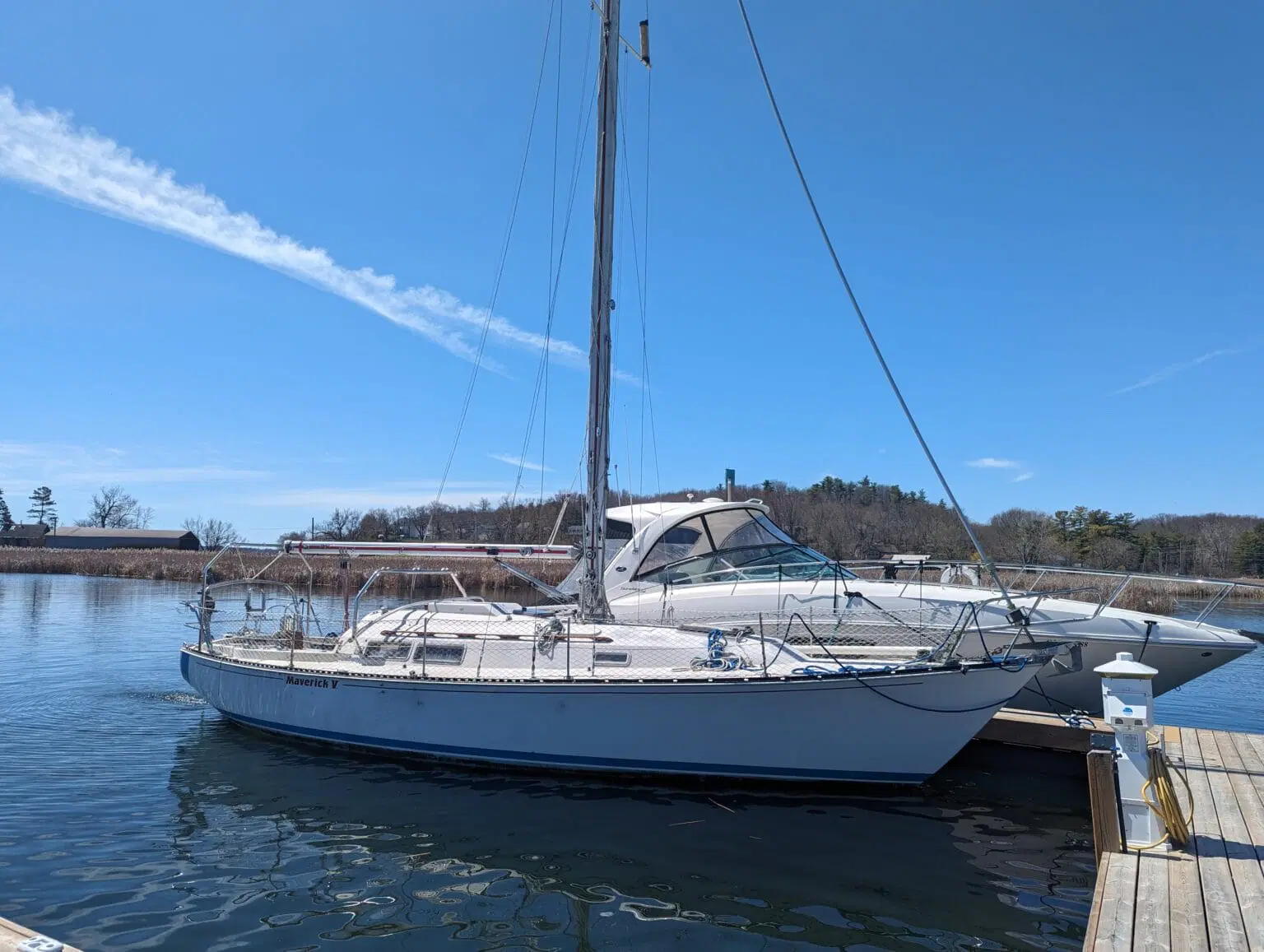 How to Upgrade a C&C 35 Starter Cruiser for Serious Passagemaking">

A C&C 35 switching from coastal service to open-ocean passages will concentrate the same cumulative wear-and-tear into months rather than years, meaning standing rigging, chainplates, seacocks, hoses and major systems all become near-term critical items.
What changes when you step from coastal hops to offshore passages
The logistics of going offshore are simple to state and hard to execute: supply chains disappear, spare-part lead times lengthen, and cyclic loading multiplies component fatigue. A boat that has 10 years of light coastal duty left can reach the same total accumulated stress in only a few months of ocean crossings. That reality forces an overhaul of deferred maintenance into a single, high-cost project before departure.
Key load and failure risks to address
- Standing rigging and chainplates — fatigue and hidden corrosion are critical failure modes under sustained ocean loading.
- Seacocks and thru-hulls — bronze vs Marelon trade-offs, with ABYC and CE compliance as the baseline requirement.
- Hoses and seacocks — old hoses are a leading contributor to sinking incidents and should be inspected/replaced.
- Safety systems — liferaft or SOLAS-grade options, immersion suits, jacklines and AIS for real offshore risk reduction.
- Redundancy and spares — exhaust elbows, furler drums, pumps and essential fittings you cannot source while underway.
Cost context: coastal $30k vs offshore $100k+
A practical comparison used by many owners: a starter coastal cruiser can be made comfortable for roughly US$20,000–$50,000, but moving to long-distance passagemaking often pushes budgets toward US$100,000–$150,000 to meet acceptable safety and reliability standards.
Example lifetime cost comparison
| Barcă | Initial/refit cost | Resale after 10 yrs | Approx. annual TCO |
|---|---|---|---|
| C&C 35 (refit) | $100,000 | $20,000 | $8,000/yr |
| A40 (new-ish) | $300,000 | $175,000 | $12,500/yr |
Those simple calculations show that smaller, well-prepared boats can be materially cheaper per year of use. A useful rule-of-thumb discussed in the community: if your total boat cost is under about $1 per lb per year of ownership you’re broadly in a sensible range for long-term value.
Project management: how refits spiral — and how to prevent it
Uncontrolled refits commonly fail for three reasons: poor planning, optimistic time estimates, and opportunistic add-ons. Bulk buying, accurate bill-of-materials planning, and realistic labor-hour budgeting are the strongest controls against cost creep. If you lack skills, hiring professionals can be more cost-effective than consuming your own high-value time on tasks that require special tools or expertise.
Practical checklist for a coastal cruiser to be offshore-ready
- Full standing rigging inspection or replacement
- Chainplate removal and deck/core examination; consider new chainplates
- Replace aged hoses and check all seacocks (bronze or Marelon with correct installation)
- Install SOLAS-rated liferaft or ensure immersion suits and recovery plan
- Upgrade navigation and communication (AIS, redundancy for GPS, long-range comms)
- Stock spares kit and consumables for likely failure items
- Train crew, run systems under sea-state loading and stage at least one shakedown cruise
DIY versus professional work: valuing your time
Many owners start with grand DIY plans and discover that skilled, dirty, time-consuming jobs are better farmed out. The economic decision often comes down to: will my paid work or leisure time yield more value than the money saved by doing it myself? If a professional can complete a task in half the time with better guarantees, outsourcing is frequently the wiser path.
Planning tips that save money
- Make a prioritized scope and resist “nice-to-have” creep.
- Aggregate parts purchases to get distributor discounts.
- Plan shakedown voyages regionally before committing to long blue-water days.
How this affects tourism and travel experiences
A well-found starter cruiser opens up regional and seasonal marine tourism opportunities: coastal cruises, museum visits by water, island-hopping itineraries and charter-style yacht parties. Conversely, underprepared boats limit options and increase risk, turning potential adventure activities into stress. Planning and refurbishment decisions therefore shape the type of travel experiences you can confidently offer or enjoy.
At a glance: nothing replaces firsthand practice. Even the best reviews and the most honest feedback can’t truly compare to personal experience at sea. Verified, paid experiences—booked through a trustworthy platform—help bridge the gap between reading and doing. GetExperience.com lets you make secure payments with voucher confirmation, request tailor-made tours or excursions to match your preferences, and receive offers from verified providers worldwide. For those wanting curated coastal or island tours, it’s an easy way to sample cruising destinations before committing to a long refit. Book now GetExperience.com
Wrapping up: converting a coastal starter cruiser into a reliable offshore passagemaker is feasible but demands realistic budgeting, disciplined project management, and honest appraisal of risks. Address standing rigging, chainplates, seacocks, hoses, safety gear and spare logistics first; plan purchases in bulk and be willing to hire pros for specialized work. With careful preparation you can maximize travel experiences—whether that’s coastal adventure rafting trips for beginners, museum tours with live guides, exclusive yacht charters for events or longer luxury adventure travel experiences—while keeping costs and surprises under control. Personal experience remains the final teacher, and sensible decisions let you enjoy the journey safely and affordably.