


 Română
  English (UK)
  Русский
  বাংলা
বাংলা  العربية
  日本語
日本語  한국어
한국어  Magyar
  Norsk nynorsk
  Türkçe
  עִבְרִית
  Español
  Čeština
  Svenska
  Português
  Ελληνικά
  Suomi
Suomi  Nederlands
  Italiano
  Français
  Polski
  Українська
  Deutsch
  简体中文
简体中文  Slovenčina
  Српски језик
  اردو
اردو  Azərbaycan dili
  O‘zbekcha
  አማርኛ
አማርኛ 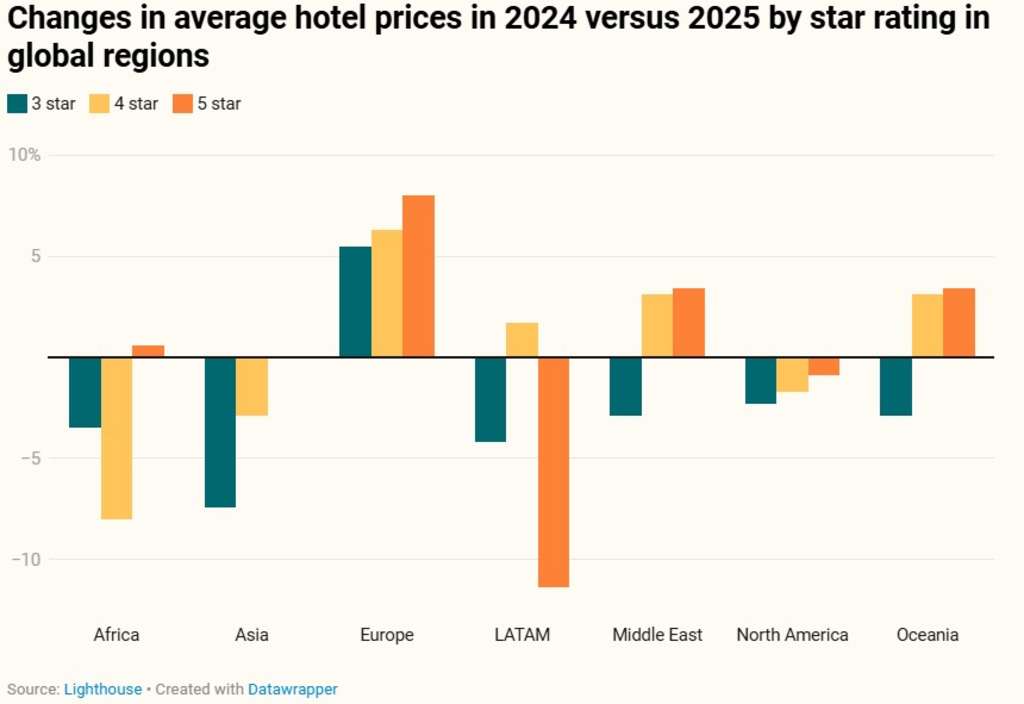 Exploring the Major Travel and Hospitality Developments That Defined 2025 and Their Impact on Tourism">

Understanding the Landscape of Travel and Hospitality in 2025
In 2025, the travel and hospitality sector navigated a dynamic landscape characterized by growing economic divides among travelers and simultaneous technological integration within the industry. These contrasting forces—divergence in consumer spending and convergence in hotel technology—were pivotal in shaping business strategies and traveler experiences worldwide.
Spending Power Divergence and Its Market Effects
A notable divide emerged between high-income travelers and those with limited budgets. While leisure travel remained a priority across segments, spending growth favored wealthier consumers, creating a widening performance gap among accommodation tiers.
At a glance, luxury hotels across much of the globe outperformed mid-tier and budget establishments, buoyed by the rising purchasing power of affluent travelers. For example, in Africa, luxury accommodations outpaced four-star hotels by nearly 9% in annual revenue growth, highlighting the sharp contrast in market dynamics. North America and Latin America displayed similar trends with some regional exceptions.
| Regiune | Luxury vs. Mid-Scale Hotel Growth Difference | Observație |
|---|---|---|
| Africa | +8.6% | Strong luxury segment lead |
| America de Nord | +1.4% | Margin tighter but still favoring luxury |
| America Latină | Exception to trend | More balanced market growth |
Persistent Desire to Travel Despite Economic Strain
The drive to explore and take trips remained strong, even as household budgets tightened. Travelers became more budget-savvy, adjusting plans rather than abandoning journeys altogether. In key markets such as the US, over half of surveyed Americans intended to travel during peak holiday seasons, albeit with smaller budgets averaging nearly 20% less than previous years.
This balancing act between wanderlust and wallet awareness places a premium on personalized and value-driven travel experiences, setting the tone for the travel industry’s approach to service and product offerings in the upcoming years.
Regional Market Differences: The Case of the US and Asia
The US faced significant headwinds in the latter half of 2025, with economic pressures dampening hotel prices and traveler confidence. Rates dropped notably during the summer, and hotel operators often had to lower prices further to entice visitors amid a subdued demand environment.
In contrast, Asian travel markets experienced a positive turnaround in the second half of the year. Following a period of economic softness and discounts, hotel rates began rising again as consumer confidence rebounded, especially in countries like Japan and Vietnam. Despite uneven recovery, Asia’s region-wide wage growth and growing tourism arrivals suggest robust potential moving forward.
How Artificial Intelligence Is Reshaping Travel Planning
Artificial Intelligence (AI) made significant inroads into how travelers plan their trips. The use of AI-powered chatbots and virtual assistants nearly doubled, reflecting a major transformation in the booking process. This technology compresses what used to be multi-step searches into instant, conversational interactions that directly output bookable options.
Such changes disrupt traditional travel distribution channels while offering a more streamlined experience. Younger travelers, especially Millennials and Gen Z, are leading the adoption, highlighting a trend that will only grow as these digital natives advance economically.
Integrated Revenue Management and the Rise of Automation
In 2025, hospitality providers began embracing full integration of technology systems—from property management to point of sale—streamlining operations into unified data platforms. This approach helps optimize not just room rates but total profit per guest, offering a clearer view of commercial performance.
Automation also emerged as a critical tool in addressing labor shortages, a persistent challenge. By automating routine analytical tasks, staff can redirect their focus to strategic roles, ultimately enhancing guest experience and operational efficiency.
Key Strategies for Moving Forward into 2026
- Embrace Predictive Intelligence: Rely on real-time data and predictive insights rather than outdated historic figures to stay ahead of shifting travel patterns.
- Personalize in a Bifurcated Market: Tailor campaigns to capture both value-conscious travelers and luxury seekers, maximizing market coverage.
- Automate Operational Processes: Utilize AI to free human resources for guest-centric and strategic activities amid labor shortages.
- Integrate Distribution Channels with AI: Leverage AI platforms to ensure visibility and control in the emerging instant-booking environments.
- Expand Profitability Metrics: Go beyond traditional room-based metrics and focus on full guest profitability and operational efficiency.
Why Personal Experience Still Matters and How GetExperience.com Can Help
While data and expert analyses provide valuable insights, nothing beats firsthand travel experience for truly understanding what the hospitality industry offers. Platforms like GetExperience.com allow travelers to make choices based on verified providers, reasonable pricing, and a wide array of tailored experiences that fit every preference and budget.
With secure online payments backed by voucher confirmations, and the possibility to submit custom requests for tours and excursions, the platform fosters transparency and convenience. Whether planning an adventurous rafting trip, an eco-friendly wildlife safari, or a guided museum tour with live experts, travelers benefit from the ease and security of booking through GetExperience.com.
Rezervați acum pe GetExperience.com to explore the best options available and ensure your travel adventures in 2026 are unforgettable.
Concluzie
The year 2025 was a watershed for the travel and hospitality sector, shaped by the dual forces of economic disparity and rapid technological adoption. The persistent desire for unique and personalized travel experiences amid price sensitivity sets the tone for future innovation and market segmentation. AI’s integration into travel planning and revenue management, combined with automation addressing labor challenges, heralds a new era of efficiency and guest-centric service.
For travelers and providers alike, success in the coming years will depend on adaptability, data-driven strategies, and enhanced service offerings. Travel experiences are becoming richer and more varied—from luxury yacht parties and cruise packages to interactive online cultural workshops and beginner esports coaching sessions—highlighting the vast opportunities for exploration and enjoyment worldwide.
Ultimately, embracing these trends and innovations will empower the global travel industry to meet evolving demands and deliver memorable journeys for all kinds of adventurers.