


 Română
  English (UK)
  Русский
  বাংলা
বাংলা  العربية
  日本語
日本語  한국어
한국어  Magyar
  Norsk nynorsk
  Türkçe
  עִבְרִית
  Español
  Čeština
  Svenska
  Português
  Ελληνικά
  Suomi
Suomi  Nederlands
  Italiano
  Français
  Polski
  Українська
  Deutsch
  简体中文
简体中文  Slovenčina
  Српски језик
  اردو
اردو  Azərbaycan dili
  O‘zbekcha
  አማርኛ
አማርኛ 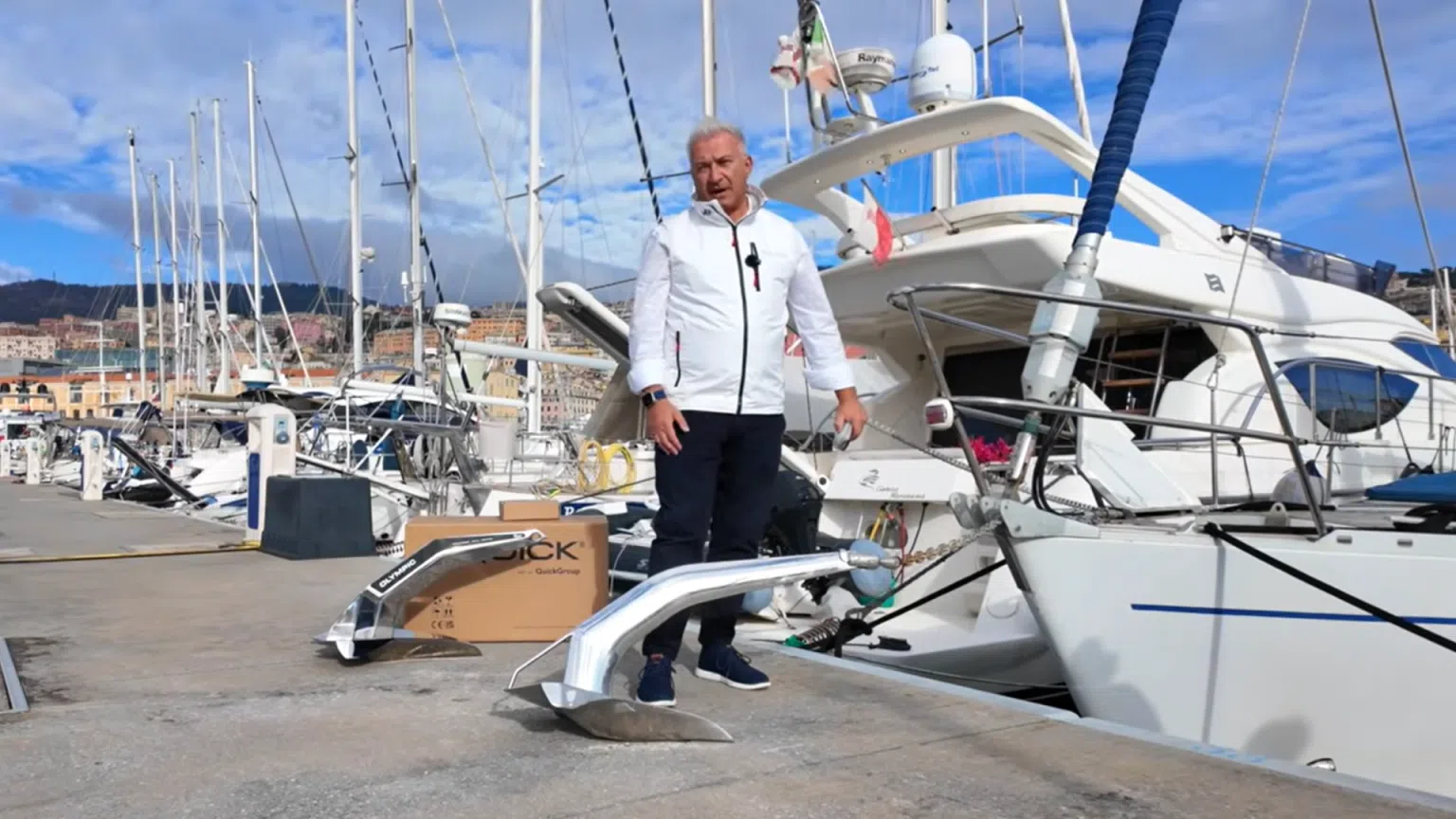 Cum să înlocuiești o ancoră la Marina Porto Antico: procedură practică la cheu și verificări">

Moor the vessel bow-to at Marina Porto Antico in Genoa and use the windlass remote to lower the anchor onto the dock; the most exposed 20 cm of chain commonly shows wear after several seasons and should be inspected and, if necessary, cut with bolt cutters before reconnecting.
Preparing the working area and essential logistics
Position the boat so the bow roller faces the dock and secure fenders and lines to keep the hull steady. A stable footing on the dock removes the need for acrobatics and reduces wet hands when handling heavy components. Operate the vinci from the remote control to transfer the anchor and chain onto the dock safely.
Tools and consumables at a glance
- Bolt cutters for cutting worn chain links
- Allen key sized for grub screws (often included with the anchor)
- Thread-locking fluid to secure grub screws
- Light line to guide the anchor back to the bow roller
- Work gloves, fender and a stable block or pad for the anchor
Step-by-step replacement procedure
Follow these practical steps to replace an anchor with minimal strain and maximum safety.
- Secure moorings so the bow is held directly against the dock.
- Lower the anchor to the dock with the windlass remote.
- Inspect the last chain link(s) for wear; cut and remove if damaged.
- Fit the swivel joint to the anchor and chain following the manufacturer sequence.
- Apply thread-locking fluid to grub screws and tighten with the Allen key.
- Reinsert the anchor pin, ensure the rotating element sits inside the anchor eye, and test movement by hand.
- Use a light line to guide the anchor into the bow roller, then raise slowly with the windlass.
Swivel joint specifics: Quick Olympic solution
The Olympic anchor de Rapid pairs with a purpose-built Duplex stainless steel swivel joint whose mechanical strength exceeds standard AISI 316. The joint features a longer cylindrical section to secure the anchor and a conical end to accept the last chain link. For reliable operation, place the chain link into the upper housing, insert the pin, and lock the assembly with grub screws.
Why purpose-built joints are preferred
Purpose-built swivel joints reduce friction on retrieval and deployment, improve shock-load resistance and often include a self-righting geometry that helps the anchor align on the bow roller. For the Olympic design, the spherical joint and specific eyelet position ensure automatic correct orientation at retrieval.
| Olympic model (Quick) | Anchor weight | Suggested boat length |
|---|---|---|
| Olympic 7 | 7 kg | Up to 9 m |
| Olympic 10 | 10 kg | 9–12 m |
| Olympic range | 7–140 kg | Up to 34 m yachts |
Dock-side checks and maintenance tips
Always visually inspect the chain’s terminal section and the anchor eye for deformation. Apply anti-corrosion treatment to stainless components if signs of pitting appear. For each grub screw tightened, add a drop of thread-locking fluid to further reduce loosening risk during vibration and shock loads.
Planned trials and durability assessments
The Test Center at Marina Porto Antico has scheduled extended trials beyond anchor fitting. Upcoming evaluations include the durability of Sibelius Light Endurance antifouling by Stoppani and a long-term endurance assessment of the Selva Black Bass 8 outboard (the tender/engine combination has already exceeded 1,000 nautical miles in service testing).
Safety, charter operations and tourism implications
Reliable anchor connections matter for private owners and charter operators alike: secure anchoring reduces drift incidents, minimizes marina recovery operations, and protects scheduled excursions. For tour operators and guests, efficient dock-side procedures translate into punctual departures for yacht parties, cruise packages and safari tours launched from coastal hubs.
The practical routine described here is also relevant for providers of museum tours with live guides embarking from small tenders, exclusive yacht charters for events, and operators offering adventure rafting trips for beginners who rely on on-time logistics at the marina.
Hands-on checks and transparent product trials help operators build safer itineraries and improve guest satisfaction, contributing directly to better travel experiences and a broader offering of adventure activities.
Even the best reviews and the most honest feedback can’t truly replace personal experience. On GetExperience, you book your experience from verified providers at reasonable prices; the platform allows full and secure payments with voucher confirmation issued afterward and offers the option to submit requests for customized tours or excursions so providers can make matching offers. This transparency and convenience help avoid unnecessary expenses or disappointments — Book your Trip GetExperience.com
Summary: dock-side anchor replacement is straightforward when logistics are planned — moor bow-to, lower the anchor with the windlass, inspect and replace worn chain links, fit a purpose-built swivel joint (such as the Quick Duplex stainless design), and secure all fasteners with thread-locking fluid. Regular marina trials and service checks (antifouling, outboard endurance) support safer charter operations and enhance travel experiences. Whether preparing for luxury adventure travel experiences, eco-friendly wildlife safaris, or interactive online cultural workshops paired with on-water excursions, these maintenance and procedural steps keep cruise packages, yacht parties, museum tours with live guides, and adventure activities dependable and enjoyable.